When your living room centerpiece starts showing its age through dull fabrics, mystery spots, or lingering odors, searching for professional sofa cleaning near me is the most effective first step toward restoration. However, choosing the right local technician requires understanding exactly what your specific furniture needs to survive the cleaning process safely. In this comprehensive guide, you will learn how different upholstery fabrics dictate specific chemical treatments, the true cost of hiring certified experts in your area, and the exact steps a qualified technician takes to extract years of embedded soil. By understanding the science of fabric restoration, you can make an informed hiring decision that extends the life of your furniture.
- Key Takeaways:
- Manufacturer cleaning codes (W, S, WS, X) strictly determine whether your couch requires hot water extraction or dry solvent treatments.
- Certified professionals utilize pH-balanced chemical solutions to lift protein and tannin stains without compromising delicate fiber integrity or causing color bleeding.
- Routine professional extraction dramatically improves indoor environmental health by removing embedded pet dander, dust mites, and trapped airborne pollutants.
- True upholstery restoration requires specialized tools that control moisture levels, preventing mold growth and cellulosic browning during the drying phase.
Why Does Upholstery Fabric Dictate the Cleaning Method?
Upholstery fabrics are vastly more complex than standard residential carpets, requiring a highly tailored approach to soil removal. Natural fibers, such as cotton, linen, silk, and wool, are highly susceptible to shrinkage, water rings, and dye migration if exposed to excessive moisture or high-alkaline chemicals. Synthetic fibers like microfiber, polyester, olefin, and acrylic are generally more resilient to water but act as magnets for body oils and pet sebum. If a technician applies a standard carpet cleaning solution to a natural fiber sofa, the results can be catastrophic, leading to permanent textural damage or cellulosic browning.
To prevent these disasters, furniture manufacturers attach specific cleaning codes to the decking tags under your seat cushions. A “W” code indicates that water-based detergents are safe for use, making the piece a candidate for traditional hot water extraction. An “S” code mandates the use of water-free, dry volatile solvents, as any moisture will cause the fabric to shrink or watermark. The “WS” code offers flexibility, allowing for mild water-based detergents or dry solvents depending on the specific stain. Finally, an “X” code strictly prohibits all liquid cleaners, meaning the fabric can only be maintained through gentle vacuuming and light brushing.
Ignoring these codes is the primary reason do-it-yourself upholstery cleaning often ends in ruined furniture. Professional technicians carry specialized testing kits to identify fiber types when tags are missing. They conduct burn tests on inconspicuous threads to determine if the fabric is synthetic or natural, and they perform dye transfer tests to ensure the colored patterns will not bleed when exposed to specific cleaning agents.
How Often Should You Schedule Deep Upholstery Extraction?
The frequency of professional furniture cleaning depends heavily on your household’s daily traffic, environmental factors, and the presence of indoor pets. As a general baseline, industry standards recommend scheduling a deep extraction every 12 to 24 months for lightly used furniture in adult-only homes. However, if your sofa serves as the primary gathering space for a family with young children and multiple pets, that timeline shrinks considerably. In high-traffic scenarios, professional cleaning every six to eight months is necessary to prevent abrasive soils from physically cutting the fabric yarns.
Beyond aesthetic preservation, regular extraction plays a critical role in maintaining a healthy home environment. Sofas act as massive, porous filters that trap airborne particulate matter, pollen, cooking aerosols, and dead skin cells. Over time, this accumulation creates an ideal breeding ground for dust mites, microscopic organisms that feed on human skin flakes. The waste products produced by dust mites are a leading trigger for indoor allergies and respiratory distress.
According to the Environmental Protection Agency, removing source pollutants through routine maintenance is one of the most effective strategies for improving indoor air quality. Professional hot water extraction reaches deep into the cushioning to neutralize these biological contaminants. By utilizing high-temperature water and powerful vacuum suction, technicians can remove the allergens that standard household vacuums leave behind, instantly refreshing the air you breathe in your living space.
What Actually Happens During a Professional Extraction Service?
A legitimate professional upholstery cleaning is a multi-step, scientifically calibrated process that goes far beyond simply spraying soap and wiping it away. The procedure begins with a thorough inspection, where the technician maps out heavily soiled areas, identifies the fabric type, and notes any pre-existing damage. This inspection dictates the specific chemical formulations and water pressure settings that will be used. Following the assessment, the technician performs a meticulous dry soil extraction using a HEPA-filtered vacuum. Removing dry, loose dirt before introducing any liquid is crucial; otherwise, the dirt simply turns into mud, driving it deeper into the foam padding.
The Pre-Conditioning and Agitation Phase
Once the fabric is free of dry particulate matter, the technician applies a pre-conditioning spray tailored to the fabric’s specific chemistry. For synthetic sofas heavily soiled with body oils, an alkaline pre-spray is used to break down the lipid bonds holding the dirt to the fibers. For delicate natural fibers, a neutral or slightly acidic pre-spray is chosen to protect the dyes. The technician then gently agitates the solution into the fabric using a soft horsehair brush or a specialized mechanical upholstery tool. This agitation ensures the chemical completely coats the fibers, suspending the soils in preparation for extraction.
Hot Water Extraction and pH Neutralization
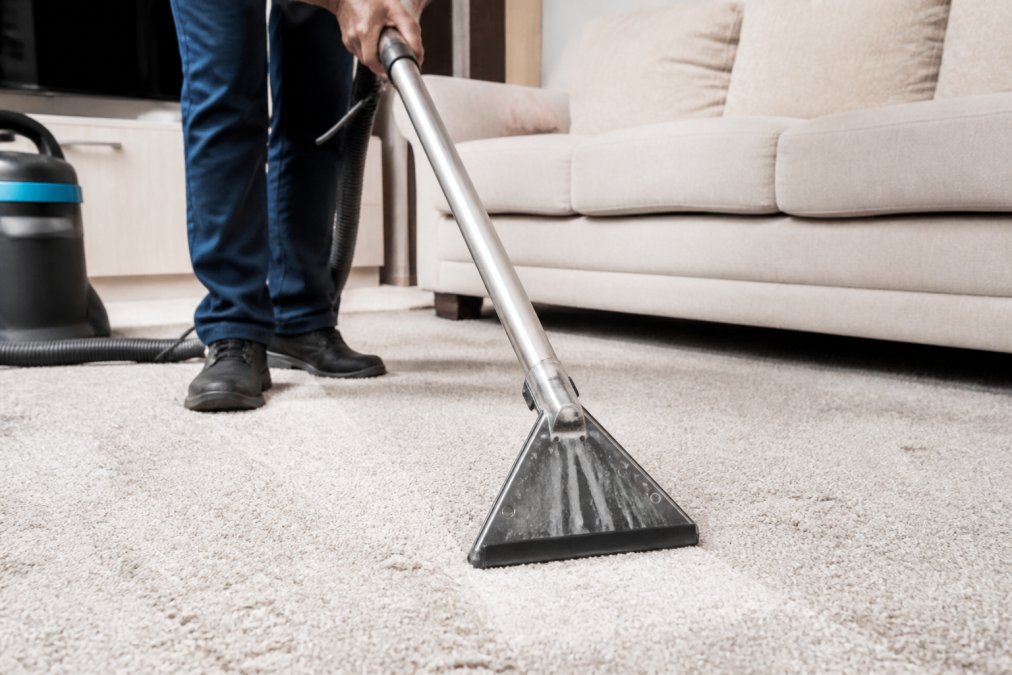
The core of the cleaning process involves a specialized upholstery wand attached to either a portable extractor or a powerful truck-mounted unit. The wand injects heated water into the fabric while simultaneously extracting it via a high-powered vacuum. This rapid flush-and-pull mechanism prevents the underlying foam cushions from becoming saturated. Crucially, the rinse water contains an acidic neutralizing agent. This step balances the fabric’s pH level, ensuring no sticky alkaline residue is left behind. Residue-free fabric feels softer, smells fresher, and resists rapid re-soiling.
Grooming and Accelerated Drying
After the primary extraction is complete, the technician will groom the fabric using a specialized brush. This step aligns the fibers in a uniform direction, which is particularly important for fabrics with a distinct nap, such as velvet or microfiber. Proper grooming prevents the fabric from drying with a stiff or distorted texture. Finally, the technician will often set up high-velocity air movers around the furniture. Accelerated drying is essential in upholstery cleaning, as prolonged moisture can lead to sour odors, mold development, or the migration of dyes.
Can Expert Stain Removal Save Heavily Soiled Furniture?
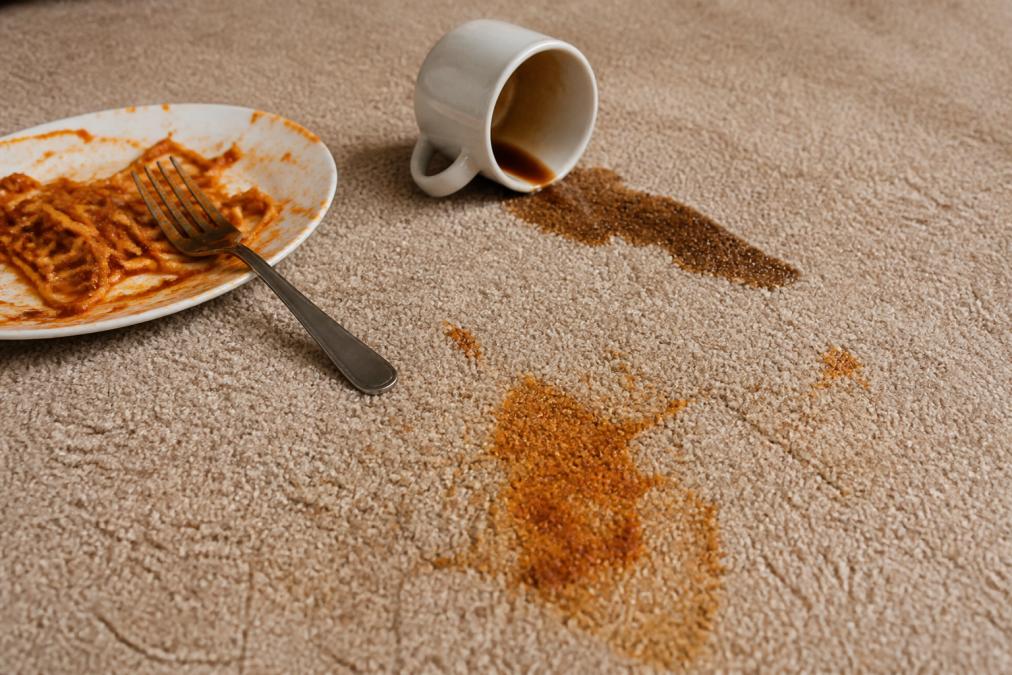
Many homeowners prematurely discard expensive furniture due to unsightly stains, unaware that professional chemistry can often reverse the damage. Successful stain removal requires identifying the exact molecular makeup of the spill and applying the precise chemical counteragent. Stains generally fall into three categories: organic, synthetic, and petroleum-based. Organic stains, such as coffee, tea, and wine, contain tannins that require acidic treatments and sometimes controlled oxidation to break the color bonds. Attempting to clean a tannin stain with a highly alkaline household cleaner will often set the stain permanently.
Protein-based stains, including blood, dairy products, and bodily fluids, require enzymatic cleaners. These specialized solutions contain active bacteria that literally digest the protein molecules, safely eradicating both the visual stain and the associated odor. Oil-based stains from cosmetics, grease, or food require volatile dry solvents that dissolve the lipids without relying on water. Professional technicians carry an entire arsenal of these targeted spotting agents, allowing them to treat complex, multi-layered stains systematically.
This reliance on precise chemistry highlights why DIY cleaning hacks often fail. Common internet remedies involving baking soda, dish soap, and white vinegar can cause irreversible damage if applied to the wrong fabric type. Dish soap leaves a heavy, sticky residue that attracts dirt, while excessive vinegar can strip the protective coatings from certain synthetics. When you hire a certified professional, you are paying for their knowledge of chemical reactions just as much as you are paying for their equipment.
How Much Should Local Furniture Cleaning Services Cost?
Understanding the pricing structures of local cleaning services helps you budget appropriately and avoid predatory “bait-and-switch” companies. Most reputable technicians price upholstery cleaning either by the linear foot or by the specific piece of furniture. For a standard three-seat sofa, you can expect to pay anywhere from $100 to $250. Larger pieces, such as multi-piece sectionals, typically range from $200 to $400, depending on the complexity of the cushions and the total surface area. Loveseats and individual recliners generally fall between $75 and $150.
Several variables can influence the final quote you receive. Furniture with loose, reversible back and seat cushions requires significantly more labor than tight-back sofas, as the technician must clean all sides of every cushion. Additionally, delicate natural fabrics that require specialized dry-cleaning solvents or low-moisture encapsulation will cost more to clean than durable synthetic microfibers. The severity of the soiling also plays a role; if the piece requires extensive pet urine odor treatment or complex stain removal, expect additional surcharges.
When evaluating costs, it is also important to consider optional add-ons that protect your investment. After a deep cleaning, technicians often recommend applying a fluorochemical fabric protector, such as Scotchgard or Teflon. This treatment creates an invisible barrier around the fibers, causing future spills to bead up on the surface rather than absorbing immediately. While this adds $30 to $60 to the overall bill, it significantly extends the lifespan of the cleaning and provides crucial reaction time when accidents happen.
How to Evaluate and Hire the Right Local Technicians?
The upholstery cleaning industry is largely unregulated, meaning anyone with a wet-vac can advertise their services online. To protect your expensive furniture, you must vet potential companies rigorously. The most reliable indicator of a qualified professional is certification from the Institute of Inspection, Cleaning and Restoration Certification (IICRC). Technicians who hold an IICRC Upholstery and Fabric Cleaning Technician (UFT) certification have undergone extensive training in fiber identification, cleaning chemistry, and safe extraction protocols.
When calling local companies, ask specific questions about their process and equipment. A reputable company will gladly explain their pre-inspection process and confirm that they adjust their cleaning methods based on fabric types. Inquire whether they use truck-mounted extraction units or portable machines. While high-end portables are highly effective for high-rise apartments, truck-mounted units generally offer superior heat and vacuum power, resulting in a deeper clean and faster drying times. Be wary of companies that offer flat-rate pricing over the phone without asking about the size, fabric type, or condition of your sofa.
Finally, verify that the company carries comprehensive liability insurance and a clearly defined service guarantee. If a technician accidentally causes dye bleeding or fabric shrinkage, their insurance should cover the cost of replacing the furniture. A trustworthy company will also offer a satisfaction guarantee, promising to return and re-treat any stubborn spots that reappear during the drying process. Taking the time to read recent customer reviews and check their standing with local business bureaus will further ensure you are inviting a true professional into your home.
Before you start calling local professionals for quotes, take a moment to locate the manufacturer’s tag on your furniture, which is usually found hanging beneath the seat cushions or stapled to the bottom dust cover. Identifying whether you have a W, S, WS, or X cleaning code will allow you to provide accurate information to the technician over the phone, ensuring they arrive with the correct chemical treatments and equipment to safely restore your living space.