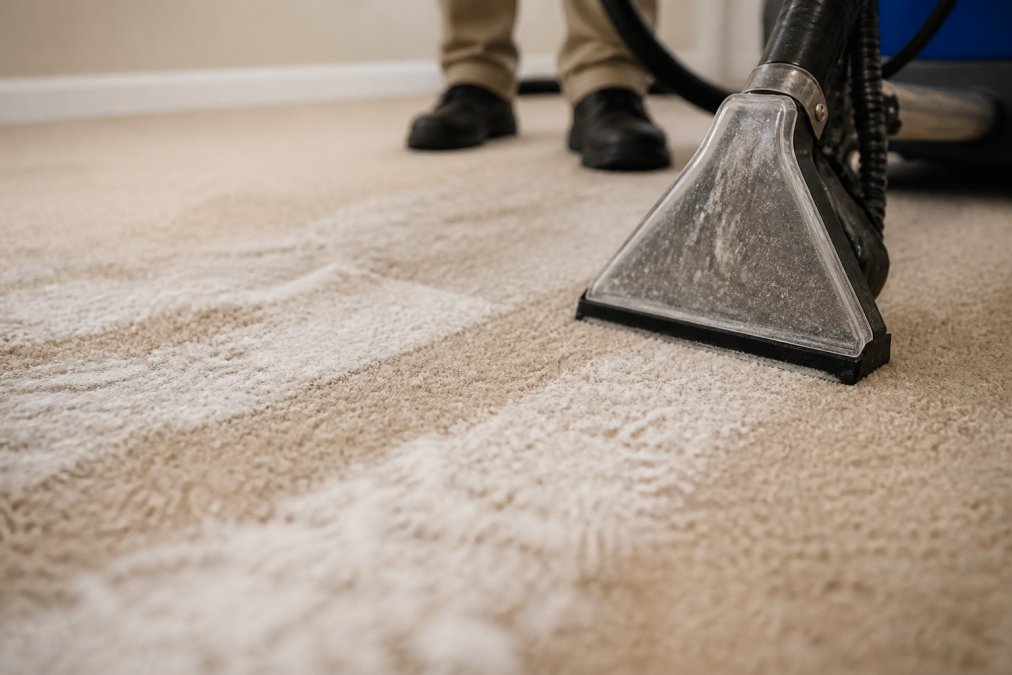
Table of Contents
- Signs of Carpet Cleaning Chemical Buildup You Shouldn’t Ignore
- Why Your Carpet Feels Crunchy After Cleaning
- Your Carpet Is Attracting Dirt After Cleaning: The Re-Soiling Cycle
- Other Telltale Signs of Residue and Fiber Damage
- How to Remove Carpet Shampoo Residue: A Step-by-Step Guide
- DIY vs. Professional Rinse: Why Extraction Efficiency Matters
- Preventing Buildup and Knowing When to Call a Technician
- Conclusion: Restoring Your Carpet’s Pile and Freshness
- Frequently Asked Questions
Last Updated: September 6, 2026
Signs of Carpet Cleaning Chemical Buildup You Shouldn’t Ignore
Carpet cleaning chemical buildup is the invisible layer of detergent, shampoo, and cleaning solution residue that remains trapped in your carpet fibres long after the surface looks dry. Homeowners often clean diligently, only to find their carpets looking worse within days. The very products meant to refresh your flooring can leave behind a sticky film that attracts dirt, dulls colours, and shortens the life of your carpet pile.
The problem is widespread because most DIY machines and even some cleaning services prioritise applying solution over extracting it thoroughly. When cleaning agents are left behind, they act like glue for airborne dust and foot-traffic grime. Below, we walk through the most common signs of buildup and give you a practical, step-by-step plan to strip that residue out for good.
Why Your Carpet Feels Crunchy After Cleaning
A crunchy or stiff texture is one of the most obvious indicators that cleaning solution has not been fully removed from your carpet. When the water evaporates, the remaining detergent and shampoo residue crystallises within the fibres, leaving them feeling brittle and harsh underfoot rather than soft and springy.
This sensation is particularly noticeable in high-traffic areas where more solution tends to be applied. The crystallised residue binds individual fibres together, affecting how light reflects off the pile, so your carpet may look duller or slightly matted even right after a thorough clean. If you run your hand across the surface and feel resistance or a papery texture, that is the chemical residue talking.
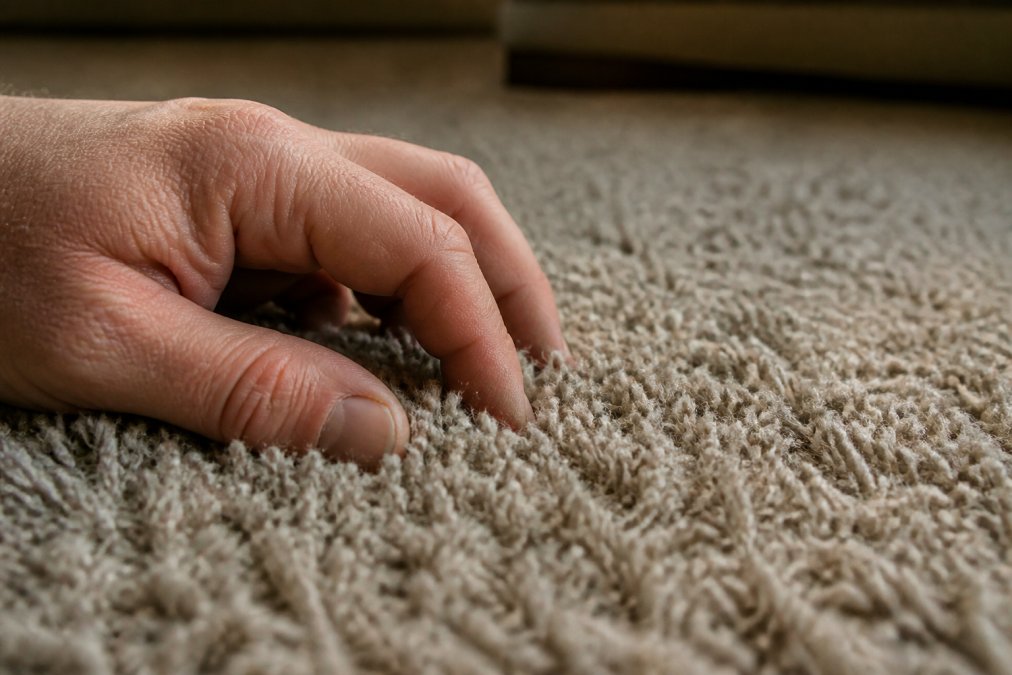
The short-term fix is simple: rinse the carpet with clean, hot water using a machine with strong suction, and repeat until the water runs clear. However, prevention matters more. Many cleaning solutions are high in alkalinity, which can leave a film even when used correctly. According to guidance on proper cleaning chemistry from The Carpet and Rug Institute’s cleaning standards, using the wrong detergent or failing to neutralise alkaline solutions is a leading cause of residue-related issues.
Your Carpet Is Attracting Dirt After Cleaning: The Re-Soiling Cycle
Few things are more disheartening than watching your freshly cleaned carpet attract dirt faster than before you cleaned it. This phenomenon, known as rapid re-soiling, happens because the leftover detergent residue is hygroscopic, meaning it draws moisture from the air and leaves the surface tacky. Every particle of dust that lands on that sticky film stays there, creating a visible traffic lane within days.
The cycle is self-perpetuating. Each time you clean to remove the dirt, you risk adding another layer of solution that does not fully extract, making the next re-soiling event even quicker. Many homeowners respond by cleaning more often, which only compounds the buildup. A common mistake is assuming the carpet needs a stronger detergent, when the opposite is true: it needs a deeper rinse with plain water.
If your carpet looks dingy within a week of cleaning, test for residue by placing a clean white cloth over the carpet and running a warm iron over it for a few seconds. If the cloth picks up a brown or sticky mark, you have confirmed the presence of detergent residue.
Other Telltale Signs of Residue and Fiber Damage
Beyond the crunchy texture and rapid re-soiling, carpet cleaning chemical buildup manifests in several distinct ways that point to the type of residue left behind. Identifying the specific culprit matters because the fix for a surfactant overload differs from the fix for an alkaline pH imbalance.
Yellowing or browning of the pile is a classic sign of high-alkalinity residue, often from sodium carbonate or sodium lauryl sulfate found in many over-the-counter shampoos. When these alkaline compounds remain embedded and are exposed to oxygen and light, they can oxidise and discolour the fibres. This is not a true stain; spot treatments will fail because the issue is a chemical film, not a dye or soil particle. If the yellowing is worse near windows or in sun-exposed areas, that is a strong indicator of an alkaline residue reacting to UV light.
Stiff, matted fibres that collapse and refuse to stand upright often indicate a different problem: anionic surfactant residue. These surfactants are the foaming agents in most cleaning products. When they dry, they form a crystalline structure that bonds fibres together. Unlike a simple soil load, which brushes out, this matting is rigid. If you try to fluff the pile with a stiff brush and it stays flat, you are dealing with a crystalline bond rather than trapped dirt.
A persistent, sweet or ‘perfumed’ odour is another telltale sign. While many assume a bad smell means mildew, a lingering scent of the cleaning product itself, especially a floral or citrus note, indicates that the fragrance carriers (often glycol ethers) have not been fully extracted. These carriers are hygroscopic, pulling moisture from the air, which keeps the carpet damp and creates a secondary risk of mildew even if the original cleaning was done weeks ago.
:::tip A Simple pH Test to Confirm the Culprit
You do not need a lab to determine if your residue is acidic or alkaline. Purchase a roll of pH test strips (available from most chemists or aquarium supply shops) and a small spray bottle of distilled water. Spray a small, inconspicuous area of the carpet until just damp, wait 60 seconds, then press a pH strip firmly against the wet fibres for 10 seconds. Compare the strip colour to the chart.
- pH above 7 (alkaline): Confirms detergent or shampoo residue. The vinegar rinse method in the next section is your first-line fix.
- pH below 6 (acidic): This is less common but can occur from overuse of acidic rinse agents or some enzyme-based spot treatments. In this case, a very dilute solution of baking soda and water (1 tablespoon per litre) can help neutralise the acidity before a plain-water flush.
- pH 7 (neutral): If the strip reads neutral but the carpet still feels sticky, the issue may be a waxy or oily residue (often from fabric softener used in a prior cleaning), which requires a different approach, warm water and a degreasing agent, not vinegar.
This test gives you a definitive answer rather than guessing, and it prevents you from applying the wrong corrective solution and making the buildup worse.
:::
How to Remove Carpet Shampoo Residue: A Step-by-Step Guide
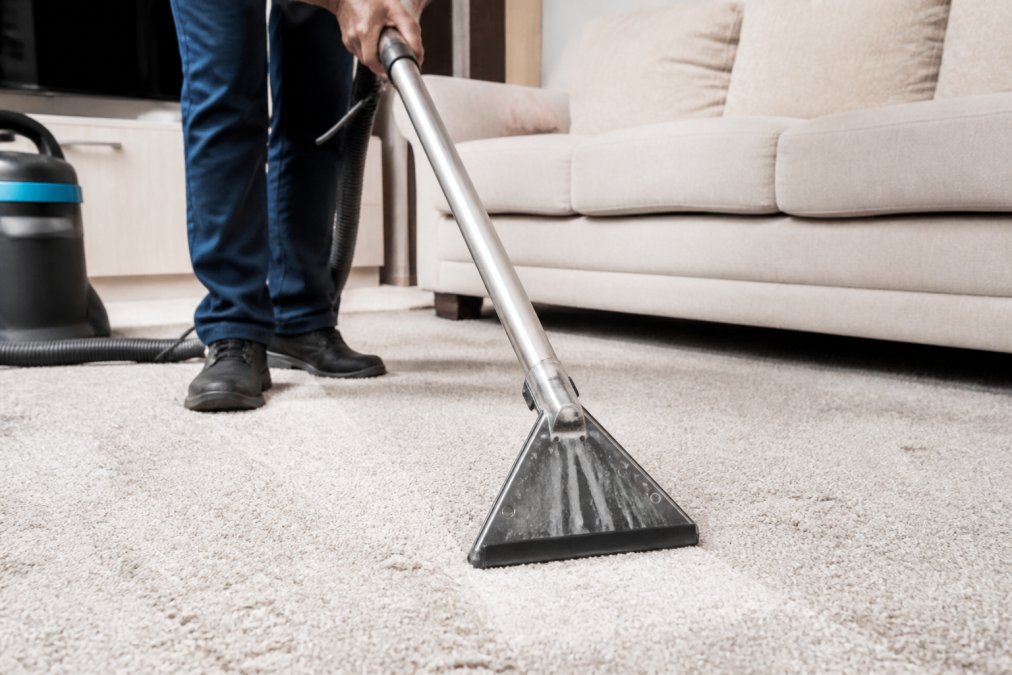
Removing carpet shampoo residue is a straightforward process that requires patience and the right technique, not expensive chemicals. You will need a machine with powerful suction, such as a carpet extractor or a rental unit with a clear water tank, plus plain hot water and a pH-neutralising agent like a small amount of white vinegar diluted in water.
Step 1: Vacuum thoroughly. Remove all loose dirt and debris before introducing any liquid. Wetting a dirty carpet will turn the soil into mud.
Step 2: Prepare a neutralising rinse. Mix one part white vinegar with four parts hot water. Vinegar is a mild acid that helps break down the alkaline detergent residue left by most shampoos.
Step 3: Apply the rinse solution sparingly. Fill the machine’s tank with your vinegar-water mix. Do not over-saturate the carpet; you want enough liquid to dissolve the residue, not to soak the backing.
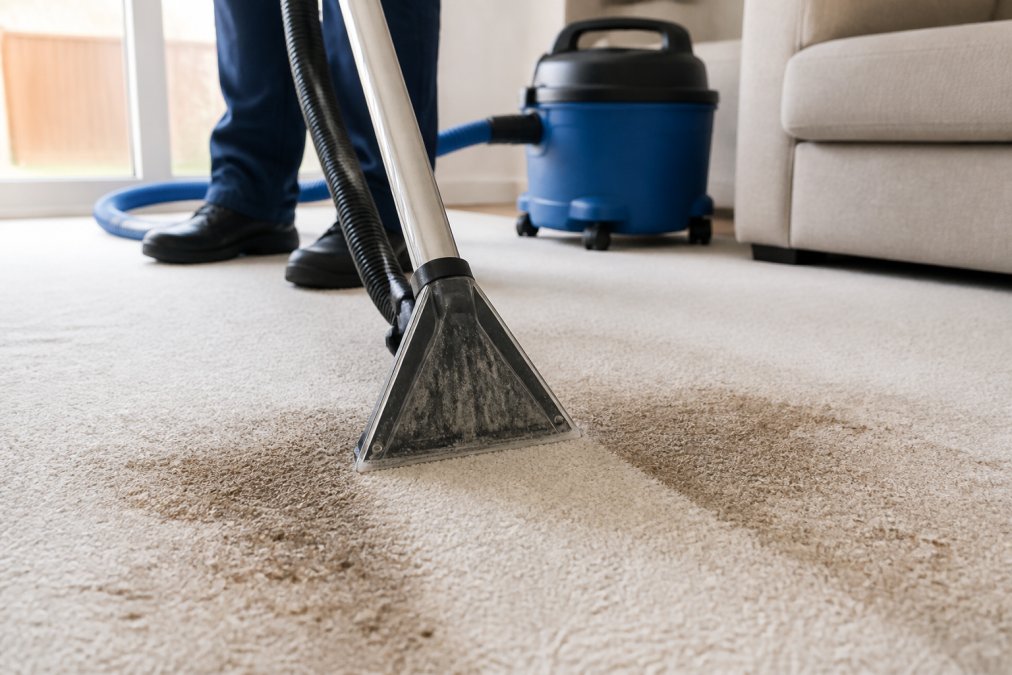
Step 4: Extract slowly and repeatedly. Pull the machine over the carpet slowly to give the suction time to pull the water back up. Make several passes over the same area, emptying the dirty water tank frequently so you can see the water running clearer.
Step 5: Perform a plain-water flush. Refill the tank with clean, hot water only and repeat the extraction process. This final rinse removes any remaining vinegar and loosened residue.
Step 6: Dry thoroughly. Over-wetting is a leading cause of mildew and odour, so accelerate drying with fans, open windows, and by avoiding foot traffic for at least 12 hours. The goal is to get the carpet to a dry state quickly to prevent any moisture-related issues.
DIY vs. Professional Rinse: Why Extraction Efficiency Matters
The fundamental difference between a successful clean and a residue disaster comes down to extraction efficiency, measured not just by suction power but by water temperature and the number of rinse passes. Understanding these mechanics helps you decide when a DIY approach is viable and when it is actively making your carpet worse.
Water temperature is the first differentiator. Most DIY rental machines heat water to around 50-60°C, sufficient for dissolving surface dirt but often inadequate for breaking down the waxy or crystalline bonds of dried detergent residue. If attempting a DIY rinse, use the hottest water your machine can handle, but be aware that consumer machines often lose heat quickly, meaning the second half of your pass uses lukewarm water far less effective at dissolving residue.
Suction pressure is the second factor. A typical DIY rental unit generates around 100-150 inches of water lift. This difference is not academic. When DIY machines leave water in the backing, it wicks upward over the following days, carrying dissolved detergent with it. This is why carpets cleaned with rental units often feel dry on the surface but become sticky again within 48 hours, the residue is migrating back up from the backing layer.
The health dimension is rarely discussed but matters. Trapped chemical residue is not just a cosmetic issue. Carpets act as a reservoir for indoor air quality. When residue remains, it continues to off-gas volatile organic compounds (VOCs) from the original cleaning products, particularly if those contained fragrances or preservatives. For households with young children who play on the floor, or individuals with asthma or sensitive skin, this residue can contribute to respiratory irritation or contact dermatitis. A professional rinse that removes the chemical load entirely is a way to reduce ongoing chemical exposure in your living environment.
When DIY is genuinely sufficient: If you have a low-pile synthetic carpet (like polypropylene or nylon) and you are dealing with a recent cleaning where you suspect light residue, a thorough vinegar rinse with a rental unit can work. The key is to do at least three full passes with plain water after the vinegar pass, and to check the recovery tank, if the water is still soapy or cloudy after the third pass, you need more rinses.
When professional intervention is the only safe option: If your carpet is wool or a natural fibre, DIY rinsing is risky. Wool is highly sensitive to alkalinity and agitation; a DIY rinse can cause shrinkage or felting. For wool carpets with residue, a professional who uses a pH-neutral or slightly acidic rinse is essential. Similarly, if you have attempted the DIY rinse twice and the pH test still shows alkaline, the residue has likely penetrated into the backing pad, which consumer equipment cannot reach without causing over-wetting damage.
:::warning The Cost of Repeated DIY Attempts
Each DIY cleaning pass introduces more water into the carpet. If you are not extracting efficiently, you are not just failing to remove residue, you are adding moisture that can lead to delamination (the backing separating from the fibres) or mildew growth in the underlay. Two failed DIY attempts can cause more damage than the original residue problem. If your first rinse does not show significant improvement, stop and call a professional rather than risking structural damage.
:::
Preventing Buildup and Knowing When to Call a Technician
Prevention is far simpler than remediation. The most effective habit is to reduce how much cleaning solution you use, then always follow any cleaning pass with at least one pass using plain water. Many detergent labels recommend more product than is necessary; cutting the concentration by half often delivers the same visual result with significantly less residue.
Regular, thorough vacuuming also plays a crucial role. By removing abrasive soil before it gets ground into the pile, you reduce the frequency of deep cleaning needed. When deep cleaning is necessary, consider scheduling it during a dry, warm period so you can open windows and speed up drying times.
There comes a point where DIY efforts stop being cost-effective. If you have attempted the vinegar rinse method and your carpet still feels sticky, looks matted, or continues to re-soil rapidly, the residue may have penetrated too deep for consumer equipment to reach. This is also the case if you notice a persistent musty smell, which suggests moisture has been trapped at the backing level. Continuing to pour more cleaning products on the problem will only make it worse.
Conclusion: Restoring Your Carpet’s Pile and Freshness
Recognising the signs of carpet cleaning chemical buildup is the first step toward breaking the cycle of sticky fibres, rapid re-soiling, and dull appearance. Whether you tackle a rinse yourself or call in a professional, the goal is always the same: a carpet that is free of chemical entrapment, soft underfoot, and genuinely clean rather than just surface-clean.
For carpets that need more than a DIY rinse, Carpet Cleaning In Stockport provides a deep cleaning process using family-friendly, pet-safe solutions and advanced equipment designed to remove hidden contaminants and restore your flooring to its original quality. Our experienced technicians focus on fast drying times and eliminating odours, so you get a carpet that stays cleaner for longer. Get started with Carpet Cleaning In Stockport and give your carpets the proper rinse they deserve.
Frequently Asked Questions
How can you tell if there is soap residue in your carpet?
Look for a sticky or crunchy texture once the carpet is fully dry. If the fibers feel stiff, matted, or tacky underfoot, that is a strong sign of carpet cleaning chemical buildup. Another clue is rapid re-soiling: if the carpet attracts dirt within days of cleaning, leftover detergent is acting like a magnet. A simple pH test with a home kit can confirm it. High alkalinity readings above 8 suggest shampoo or detergent residue is trapped in the pile.
Why does my carpet feel crunchy after professional cleaning?
A crunchy feel usually means the cleaning agent was not fully extracted during the rinse phase, leaving a residue that crystallizes as the carpet dries. This can happen with either DIY machines or professional equipment if the extraction efficiency is poor. Over-wetting the carpet and using too much cleaning solution are common causes. Once the residue hardens, it coats the individual fibers, making them stiff and brittle. A thorough rinse with a neutralizing agent or a professional low-moisture clean is needed to remove it.
Does carpet cleaning residue attract more dirt?
Yes. Surfactant buildup left in the fibers is sticky, so it traps dust and soil from foot traffic almost immediately. This creates a cycle where your carpet appears dirtier faster after cleaning than it did before. The residue binds to the carpet pile, making it harder to vacuum effectively and causing rapid re-soiling. If you notice your carpet attracting dirt after cleaning, the solution is not another standard clean, but a dedicated rinse to flush out the chemical residue and restore the fibers’ natural state.
Is it safe to walk on carpets with chemical residue?
Once the carpet is completely dry, walking on it is generally safe for adults, but the residue can be abrasive and cause long-term fiber damage. The bigger concern is for young children and pets who spend time on the floor, as they are more exposed to the concentrated cleaning agents left behind. This residue can also trap allergens and dust mites, which affects indoor air quality. If you suspect chemical buildup, a professional extraction rinse is the safest way to remove it and create a healthier home environment.