Table of Contents
- What Professional Upholstery Cleaning Actually Involves
- Benefits of Professional Upholstery Cleaning for Your Home
- Average Sofa Cleaning Prices UK: What You Should Expect to Pay
- DIY vs Professional Upholstery Cleaning: A Realistic Comparison
- Upholstery Cleaning Frequency: How Often Is Actually Needed?
- Fabric-Specific Cleaning Requirements and Eco-Friendly Options
- Verdict: When Professional Upholstery Cleaning Is Worth the Investment
- Conclusion
- Frequently Asked Questions
Last Updated: September 15, 2026
What Professional Upholstery Cleaning Actually Involves
Professional upholstery cleaning removes embedded dirt, oils, and allergens from fabric fibres using hot water extraction, pre-treatments, and controlled drying. Whether professional upholstery cleaning is worth it depends on what’s living in your furniture.
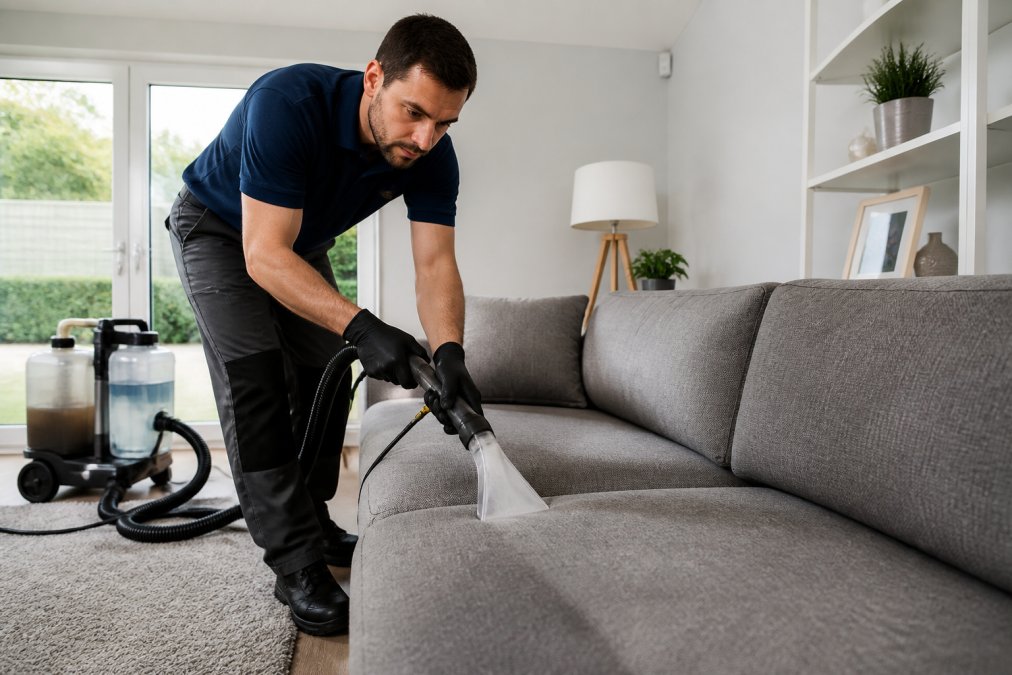
It starts with fabric identification, because wool, cotton, linen, and synthetics respond differently to heat and moisture. Technicians pre-treat stains and high-traffic areas, agitate the fibres, then extract with a heated solution. Drying takes a few hours with proper airflow.
Hot Water Extraction vs Rental Machines
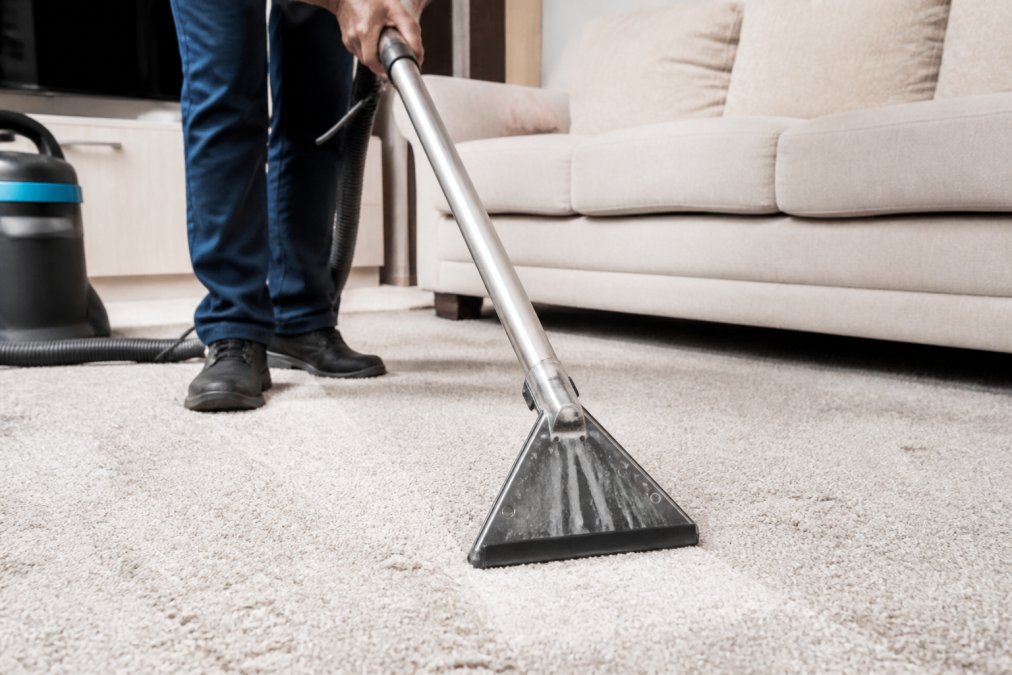
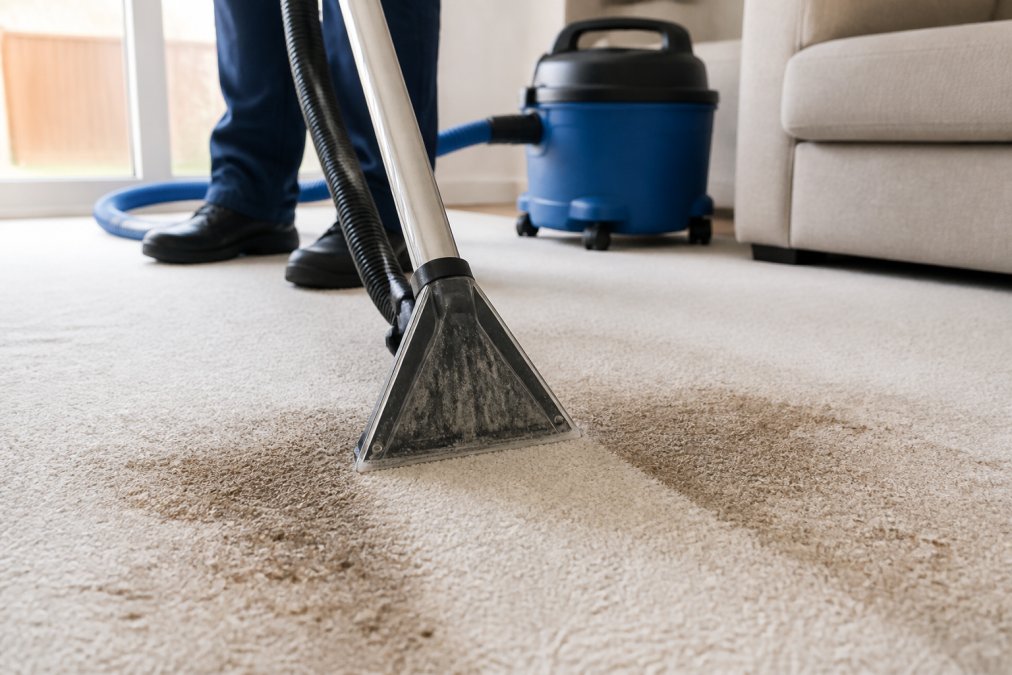
Hot water extraction, or steam cleaning, injects heated solution deep into fabric fibres and immediately extracts it with dissolved dirt. Rental machines use weaker suction and smaller tanks, so they pull out far less of what’s embedded. The gap shows up in drying time, residue, and how quickly furniture looks dirty again.
Benefits of Professional Upholstery Cleaning for Your Home
The benefits of professional upholstery cleaning go beyond appearance. Deep extraction removes dust mites, pet dander, bacteria, and the oily residue that traps new dirt, which matters most in homes with pets, young children, or allergy sufferers.
Allergen and Dust Mite Reduction
Dust mites thrive in fabric fibres and feed on shed skin cells (pubmed.ncbi.nlm.nih.gov). A domestic vacuum lifts surface debris but leaves the deeper layer untouched. Professional equipment reaches it, physically removing allergens rather than redistributing them into the air, often the strongest argument for asthma sufferers and pet owners.
If anyone in your home wakes up congested or reacts to dust, the allergen load in your sofa is worth addressing before you replace furniture. Deep extraction targets what vacuuming cannot reach.
Average Sofa Cleaning Prices UK: What You Should Expect to Pay
Sofa cleaning prices across the UK vary by seats, fabric type, and stain treatment needed. Most providers price per seat or area rather than per sofa, so a three-seater is quoted as three units of work.
Pricing depends on quantity, fabric, and condition, so request a quote rather than relying on a headline figure. Carpet Cleaning In Stockport prices from only £29.00 per area, with the final cost confirmed once fabric and soiling level are known.
| Factor | Effect on Price | Why It Matters |
|---|---|---|
| Number of seats | Higher | Each seat is a separate cleaning area |
| Fabric type | Varies | Delicate fabrics need gentler methods |
| Stain severity | Higher | Pre-treatment adds time and product |
| Pet odour treatment | Higher | Requires enzyme-based neutralisers |
| Add-ons (rugs, mattresses) | Higher | Priced per additional item |
DIY vs Professional Upholstery Cleaning: A Realistic Comparison
DIY cleaning works for fresh spills and light maintenance; professional cleaning suits deep-seated dirt, odours, and allergen removal. Both have a place, but the difference between them is more mechanical than most articles admit.
Why DIY Equipment Hits a Ceiling
A handheld spot cleaner such as the Bissell SpotClean Pet Pro handles a single accident effectively. It applies solution, agitates with a brush, and extracts with a small vacuum motor. That is the same basic sequence a professional uses. The difference is scale and control.
Three things separate domestic and professional equipment:
- Lift and airflow. Professional hot water extraction units generate far higher vacuum lift, which is what actually pulls dissolved soil out of the base of the fabric rather than off the surface. Weak lift leaves moisture and residue behind.
- Heat. Heated solution dissolves oils and grease that cold or lukewarm water simply moves around. Most domestic machines cannot sustain heat at the wand.
- Control. A technician can vary pressure, dwell time and moisture level per fabric. A rental machine has one setting and one tank.
A full sofa uncleaned for years is a different job, and that is where domestic equipment runs out of suction and tank capacity. Rental machines sit in between: more power than a spray bottle, far less control than a technician.
The Hidden Risks of Rental Machines
Rental machines are the most common source of upholstery damage we see. Over-wetting is the main culprit: too much water goes in, too little comes out, and fabric stays damp for days, encouraging mould and musty smells. Inexperienced users also risk colour bleeding on wool and shrinkage on natural fibres, and the wrong solution leaves sticky residue that attracts dirt faster than before.
A second, less obvious risk is residue. Many supermarket and rental-machine solutions contain surfactants meant to be rinsed away thoroughly. If they are not, they dry into a film that grabs dust and makes the sofa look dirtier within weeks, why some people report their sofa looked worse a month after a DIY clean.
Over-wetting from rental machines is the leading cause of musty odours and mould in upholstery. If fabric stays damp beyond 24 hours, the risk of long-term damage rises sharply (Understanding and addressing the health risks of damp and mould in the home).
The Real Comparison: Cleaning Cost Versus Replacement
The question “is it worth it” is really about what the alternative costs. A sofa is a significant purchase, so the useful comparison is cleaning versus living with a degraded sofa or replacing it.
- If a professional clean costs a small fraction of what a replacement would cost, and the frame and cushions are still sound, cleaning is almost always the better financial decision.
- If the fabric is torn, the frame is broken, or the foam has collapsed, no amount of cleaning will fix it, and the money is better put towards replacement.
- If the sofa is under a manufacturer’s warranty, check the terms before any wet cleaning. Some warranties require professional cleaning at set intervals and void coverage if DIY methods cause damage.
There is also a time cost. A thorough DIY clean of a three-seater, pre-treatment, agitation, extraction, drying management, is realistically a half-day job with equipment hire, and the result is still limited by the machine. A professional service compresses that into one visit with faster drying.
When DIY Is Genuinely the Right Call
DIY is not the enemy. It is the correct choice for:
- A single fresh spill, dealt with immediately before it soaks into the cushion.
- Routine maintenance between professional visits, using a spot cleaner sparingly.
- Fabric coded X, where no wet cleaning is safe and gentle vacuuming plus dry methods are all that is available.
- Low-value furniture where the cost of professional cleaning would approach the cost of replacement.
Most households settle into a hybrid: spot-clean at home, book a professional deep clean every 12 to 18 months, and avoid rental machines unless the fabric is synthetic, soiling is light, and you can manage drying carefully.
Upholstery Cleaning Frequency: How Often Is Actually Needed?
Most households need professional upholstery cleaning every 12 to 18 months, with busier or pet-owning homes closer to every 6 to 12 months (NHS England » National standards of healthcare cleanliness 2025). Maintenance is about preventing buildup, not reacting to visible stains.
Signs furniture is overdue include a dull, greyish cast, lingering odours after vacuuming, and increased sneezing indoors.
Fabric-Specific Cleaning Requirements and Eco-Friendly Options
| Code | Meaning | Safe Approach |
|---|---|---|
| W | Water-based cleaners only | Hot water extraction is usually suitable |
| S | Solvent-based cleaners only | Low-moisture solvent methods; water can cause rings and shrinkage |
| WS | Water or solvent | Most flexible; technician chooses based on soiling |
| X | Vacuum only | No liquid of any kind; professional dry methods or encapsulation only |
What Each Fibre Actually Needs
Eco-Friendly Cleaning: What It Actually Means
Test any cleaning solution on a hidden area first, such as the underside of a cushion. Wait 24 hours to check for colour change or fibre damage before treating the visible fabric. If the care tag says S or X, do not let anyone apply a water-based method regardless of what they promise.
Verdict: When Professional Upholstery Cleaning Is Worth the Investment
The comparison comes down to outcome, not price alone.
Conclusion
Frequently Asked Questions
Do professional upholstery cleaners actually work?
Yes, professional upholstery cleaning works because it uses hot water extraction and commercial-grade equipment that reaches deep into fabric fibres. This removes embedded dirt, dust mites, and allergens that household vacuums and rental machines leave behind. The process also uses controlled drying to prevent musty odours. For pet owners and allergy sufferers, the difference in air quality and fabric appearance is noticeable within hours of cleaning.
How much does a professional upholstery cleaner cost in the UK?
Professional upholstery cleaning prices in the UK vary based on the number of items, fabric type, and level of soiling. Most companies charge per seat or per item, with sofas typically costing more than dining chairs. Factors like pet odour treatment, stain protection, and same-day service can affect the final quote. It is best to request a personalised quote based on your specific furniture and requirements.
Does professional sofa cleaning remove pet odours?
Professional sofa cleaning removes pet odours by treating the source, not just the surface. Pet accidents leave proteins and bacteria deep in the padding and fabric fibres. Standard household cleaners mask the smell temporarily. Professional cleaners use enzyme-based treatments and hot water extraction to break down and flush out these particles. This stops the odour from returning and discourages pets from marking the same spot again.
How often should you have upholstery professionally cleaned?
Most homes benefit from professional upholstery cleaning every 12 to 18 months. Households with pets, young children, or allergy sufferers should aim for every 6 to 12 months. Commercial settings like offices and restaurants may need quarterly or biannual cleaning depending on foot traffic. Regular cleaning at these intervals extends the lifespan of your furniture and keeps allergen levels low between visits.
Can professional cleaning damage delicate fabrics?
Professional cleaning does not damage delicate fabrics when technicians identify the material first. Wool, silk, and viscose require specific pH-neutral solutions and lower moisture levels. DIY rental machines pose a higher risk because they use generic detergents and excessive water that can shrink or discolour sensitive fabrics. Always confirm that your cleaner checks the fabric type before starting.