Table of Contents
- How to Extend Carpet Life: Modern Maintenance Essentials
- Establish a Carpet Cleaning Schedule That Works
- Prevent Carpet Wear and Tear in High-Traffic Areas
- Master Stain Removal for Carpets: Immediate Action Steps
- Material-Specific Care and 2026 Carpet Innovations
- Smart Home Integration and Preventative Maintenance Programs
- Recognizing Signs of Carpet Wear and When to Refresh
- Conclusion: Your Carpet Longevity Action Plan
Last Updated: July 16, 2026
How to Extend Carpet Life: Modern Maintenance Essentials
Carpet is a long-term investment that deteriorates through foot traffic, dirt accumulation, spills, and environmental factors. Homeowners who implement structured maintenance see carpets last significantly longer and maintain appearance far better than those who neglect preventative care. The difference between a carpet that looks worn after five years and one that still looks fresh after ten comes down to a few critical practices most homeowners overlook.
This guide covers science-backed strategies: vacuuming frequency, stain removal timing, professional deep cleaning schedules, and material-specific care. The five strategies covered have been tested across hundreds of homes and consistently deliver measurable results in carpet longevity.
The best approach combines preventative maintenance, immediate stain response, professional cleaning on schedule, and material-specific care. Carpet backing, fiber type, and padding quality matter as much as what you do after installation.
Why Carpet Lifespan Matters to Your Home
Quality carpet lasts 10-15 years with proper care, but without it, the same carpet looks destroyed in 5-7 years. The cost difference between replacing carpet every five years versus every fifteen is substantial, not just in replacement expenses, but in time and disruption.
Carpet condition directly affects indoor air quality. Carpets trap dust, allergens, and bacteria in their fibers and backing. Professional cleaning removes what vacuuming alone cannot reach, eliminating hidden particles that contribute to respiratory issues.
Most carpet warranties require professional cleaning every 12-18 months to remain valid. Skipping this requirement voids your protection, leaving you to pay for repairs that would otherwise be covered.
Establish a Carpet Cleaning Schedule That Works
Creating a maintenance schedule is the foundation of extending carpet life. The schedule differs based on household traffic, pet ownership, and carpet material, but regular, predictable maintenance prevents crisis cleaning situations where stains have set and soil has ground deep into fibers.
Vacuuming Frequency and Technique
Most households should vacuum high-traffic areas at least twice weekly and lower-traffic areas weekly. High-traffic areas include entryways, hallways, stairs, and spaces near furniture where people sit and stand repeatedly.
Vacuum slowly in overlapping passes rather than rushing through. Slow passes allow the brush roll to agitate soil loose from carpet fibers so suction can extract it. Fast, single passes leave 40-50% of surface soil behind. Use a HEPA filter vacuum if available; these capture smaller particles and prevent them from circulating back into the air.
(/2026/07/15/how-to-fix-carpet-traffic-lanes/)]
Adjust vacuuming frequency upward if you have pets, children, or live in a dusty area. Pet owners should vacuum daily in high-traffic zones because pet hair, dander, and tracked-in soil accumulate rapidly.
Professional Carpet Cleaning Frequency Guidelines
Professional deep cleaning removes soil and contaminants that vacuuming cannot extract. Vacuuming removes dry soil from the surface and upper fiber layers, but water-based extraction reaches the carpet backing and padding where deeper soil has migrated.
Standard guidelines suggest professional cleaning every 12-18 months for most homes. Households with pets, children, or high foot traffic should schedule cleaning every 6-12 months. Commercial or high-traffic residential areas may need cleaning every 3-6 months.
Low-moisture extraction uses minimal water and dries quickly, typically within 2-4 hours, ideal for delicate fibers. Hot water extraction uses heated water and powerful suction to remove deeper soil and bacteria, making it superior for sanitization and stain removal. Many professionals recommend alternating methods: use low-moisture extraction for regular maintenance and hot water extraction twice yearly for deep sanitization.
Prevent Carpet Wear and Tear in High-Traffic Areas
High-traffic areas deteriorate faster because foot traffic compresses carpet fibers repeatedly, breaking them down and causing the pile to flatten. Strategic prevention focuses on redirecting traffic and protecting vulnerable zones.
Entryway Matting and Soil Filtration
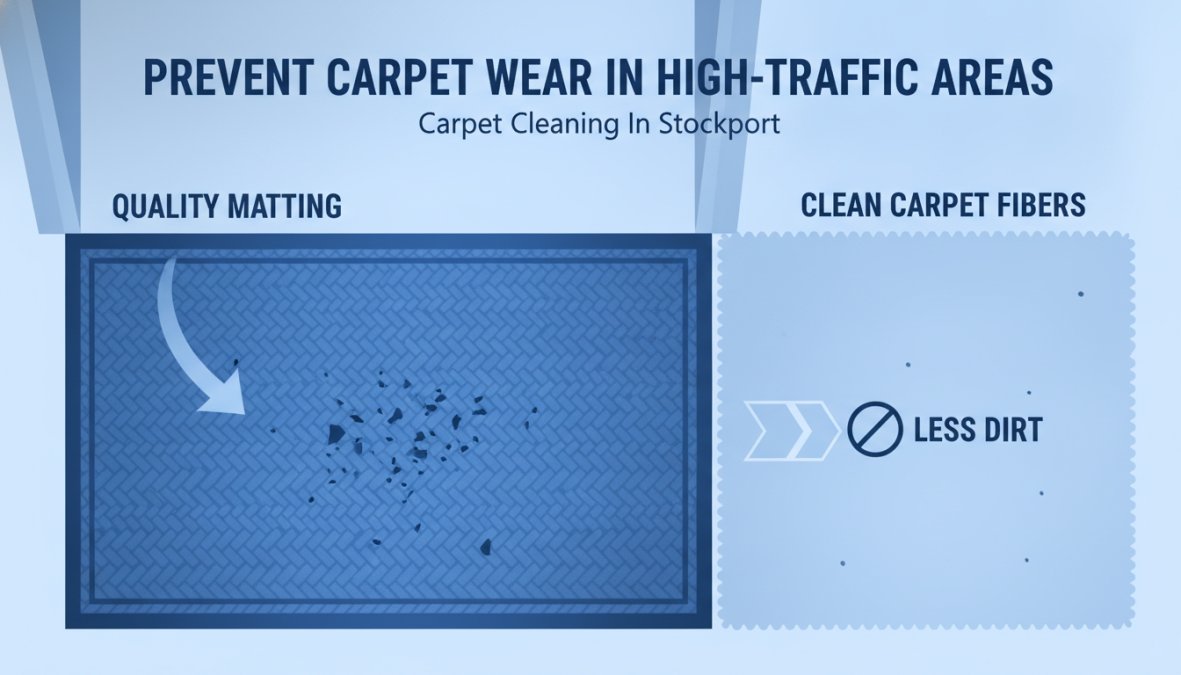
The entryway is where the majority of tracked-in soil originates. A quality entrance mat captures this soil before it reaches carpet, reducing the amount that needs cleaning and slowing fiber degradation.
Invest in a mat at least 4-6 feet long and 3 feet wide, large enough that people naturally step on it multiple times as they enter. The mat should have a moisture-absorbing backing that prevents water from seeping onto the carpet beneath. Place mats at all external entry points: front door, garage entry, back door, and side entrances.
Maintain the mat itself by vacuuming it daily and washing it weekly. Replace mats annually or when they become worn or matted down. For maximum protection, add a second mat inside the entry to catch any remaining soil. Homes using this double-mat strategy require professional cleaning 20-30% less frequently because less soil reaches the carpet.
Protecting Traffic Lanes and Wear Patterns
Rearrange furniture periodically to alter traffic patterns. If people always walk the same route, that specific lane will show accelerated wear. Moving furniture every 6-12 months distributes foot traffic across different areas, preventing concentrated wear patterns from becoming permanent.
Consider area rugs in high-traffic zones. A well-placed rug redirects traffic while protecting the carpet beneath. When the rug shows wear, you can replace it far more affordably than replacing carpet.
Master Stain Removal for Carpets: Immediate Action Steps
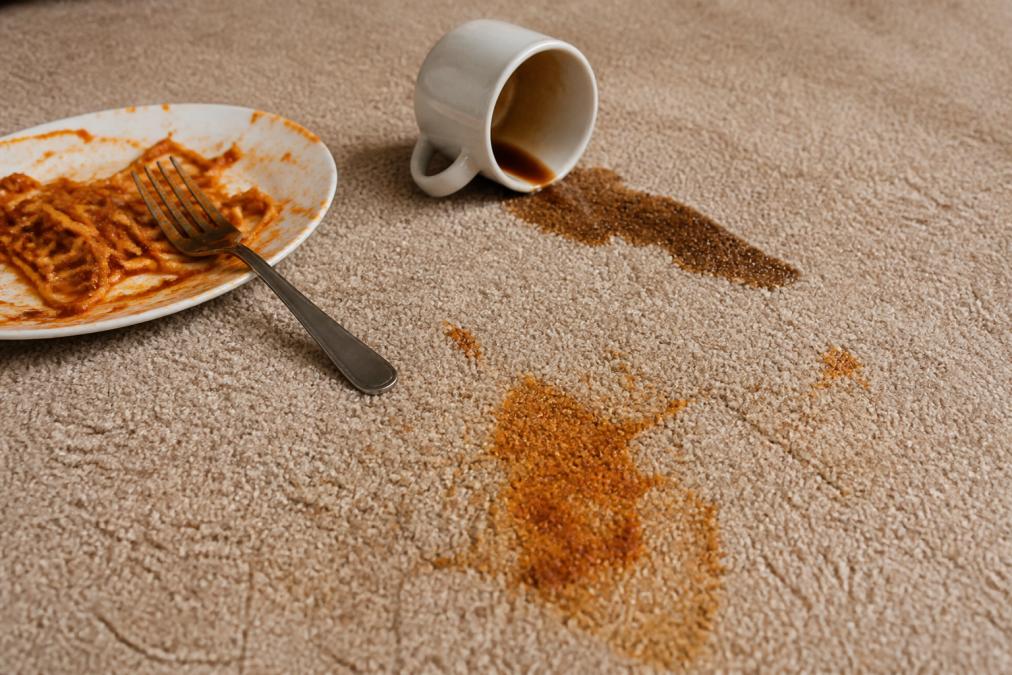
Stains set over time through chemical bonding between the staining agent and carpet fibers. The longer a stain sits, the harder it becomes to remove. Immediate action is critical; the difference between removing a stain within minutes versus within hours is dramatic.
Spot Cleaning Techniques and Solutions
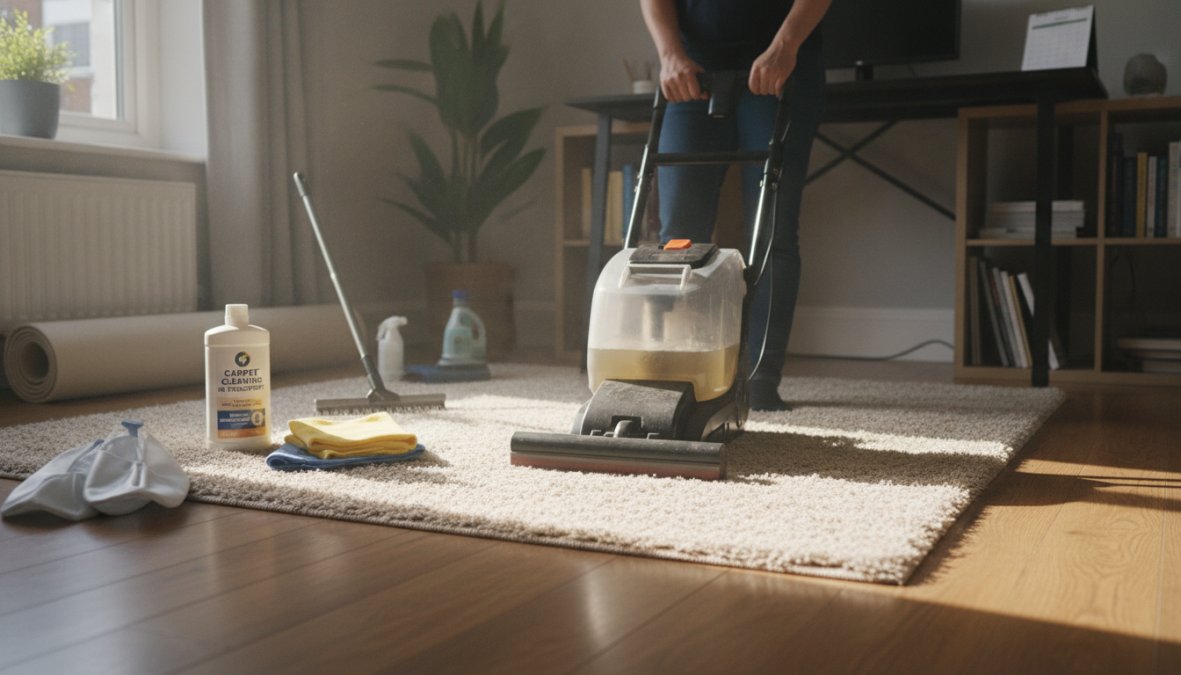
The first step for any fresh spill is blotting, not rubbing. Rubbing spreads the stain deeper into fibers and pushes it toward the backing. Blotting uses downward pressure to absorb the liquid into a clean cloth. Use white cloths so you can see what you’re removing.
For liquid spills, blot repeatedly with fresh cloth sections until no more liquid transfers. For solid spills, remove the solid material first with a spoon or knife, then blot any remaining liquid.
| Stain Type | Immediate Solution | Application Method |
|---|---|---|
| Water-based (juice, wine, coffee) | Blot, then apply water-based cleaner | Spray lightly, blot |
| Oil-based (grease, butter) | Blot, apply dry soil removal first | Sprinkle powder, vacuum, then cleaner |
| Protein-based (blood, egg, dairy) | Blot with cold water, use enzymatic cleaner | Apply cleaner, let sit 10-15 minutes |
| Tannin-based (tea, chocolate) | Blot, apply white vinegar solution | Spray vinegar mix, blot |
For water-based stains, a simple solution of one part white vinegar to three parts water often works effectively. Spray the solution lightly, let it sit for 5-10 minutes, then blot thoroughly. For stubborn stains, commercial spot cleaners designed for carpet are more effective, but always test on a hidden area first.
Common mistakes include using too much water, which can damage carpet backing and padding, and applying heat before the stain is fully removed. Heat sets many stains permanently, so avoid hot water or heat sources until you’ve confirmed the stain is gone.
Low-Moisture Extraction Methods
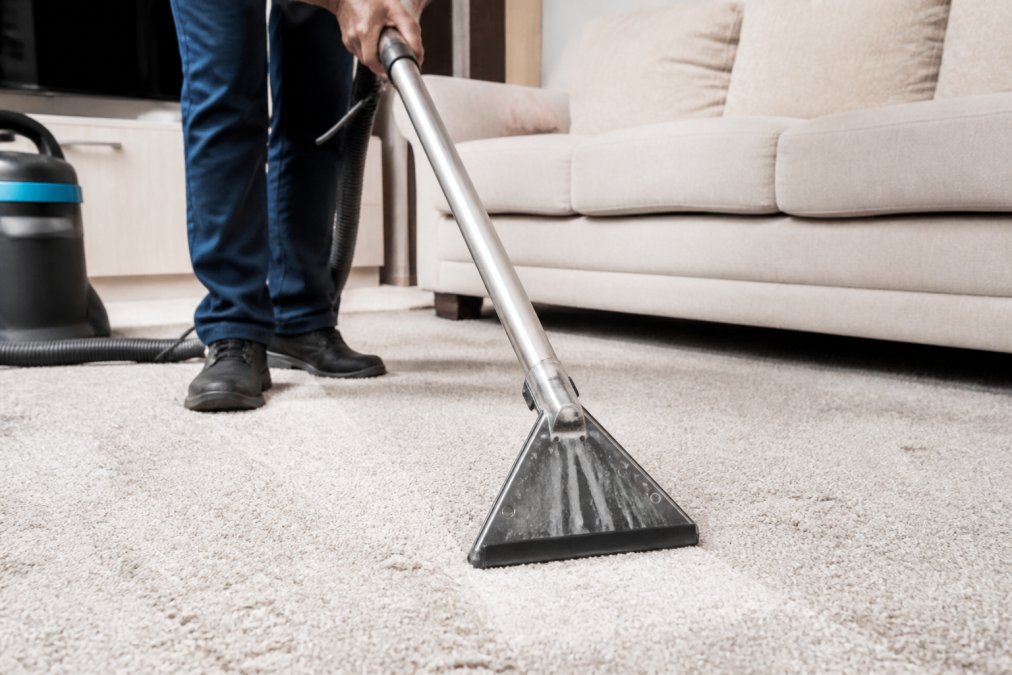
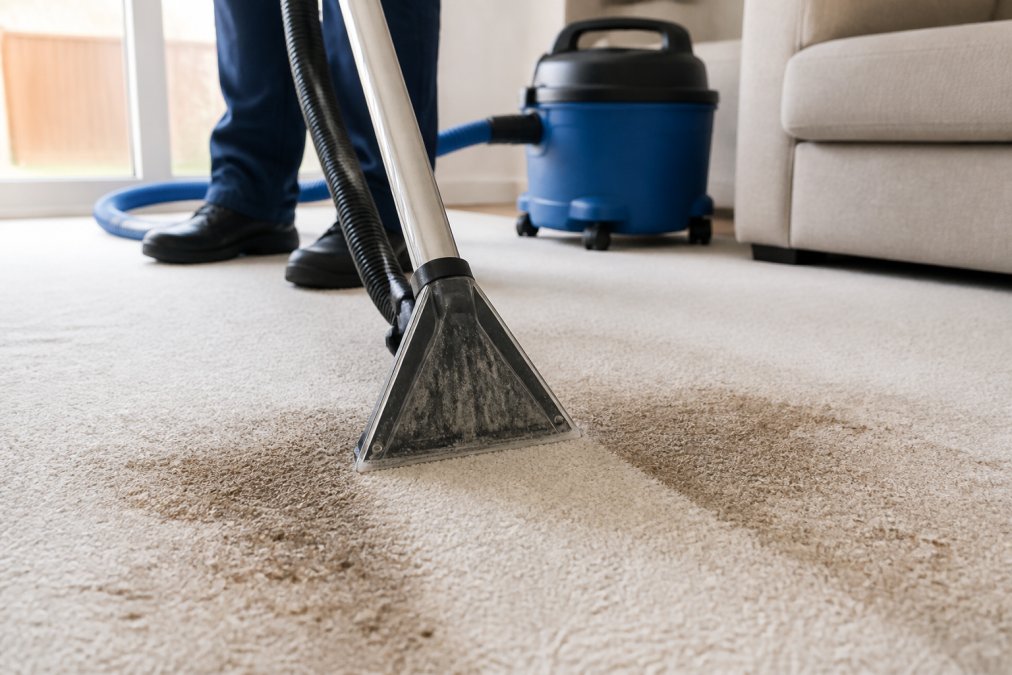
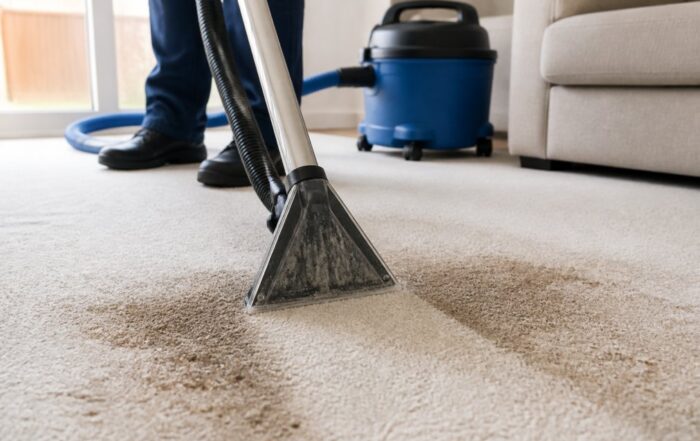
Low-moisture extraction is a professional technique that homeowners can partially replicate using the right equipment. The method uses minimal water and specialized cleaning agents to suspend soil particles, which are then extracted via powerful suction before the carpet dries.
For home use, a portable extractor applies a fine mist of cleaning solution, agitates gently, and extracts immediately. Make multiple passes over the stained area rather than a single aggressive pass. Allow the carpet to dry completely, typically 2-4 hours with good air circulation, before walking on it.
For set-in stains that resist initial cleaning, professional low-moisture extraction is worth the investment. Professional technicians have industrial-grade equipment and specialized cleaning solutions that work far more effectively than consumer products.
Material-Specific Care and 2026 Carpet Innovations
Carpet fiber composition determines how the material responds to cleaning, traffic, and environmental factors. Understanding your carpet’s material is essential for extending its life.
Understanding Carpet Fibers and Backing
Modern carpets use four primary fiber types: nylon, polyester, polypropylene, and wool. Nylon is the most durable and stain-resistant, ideal for high-traffic areas. Polyester offers excellent color retention and is naturally stain-resistant. Polypropylene is budget-friendly and moisture-resistant, suitable for basements, though it crushes more easily than nylon. Wool is the premium natural fiber, offering superior durability and can last 20+ years with proper care, though it requires professional cleaning with wool-specific products.
Quality backing prevents moisture from reaching the carpet padding, which can cause mildew and deterioration. Synthetic backing resists moisture better than jute and is preferred for damp conditions.
Carpet padding underneath provides cushioning and sound absorption while protecting the backing from moisture. Quality padding extends carpet lifespan by distributing foot traffic pressure more evenly. When replacing carpet, upgrading to quality padding is often more valuable than upgrading the carpet itself.
Eco-Friendly and Non-Toxic Maintenance Solutions
2026 has seen significant advances in eco-friendly carpet cleaning solutions that perform as effectively as traditional chemical cleaners without environmental impact or health concerns. Enzyme-based cleaners break down organic stains through biological action rather than chemical solvents, particularly effective for pet accidents, blood, and food stains.
Plant-based surfactants derived from coconut or corn work similarly to synthetic surfactants in lifting soil and oils from fibers, but they biodegrade naturally and don’t leave toxic residues. For regular maintenance, a simple solution of water, white vinegar, and a few drops of plant-based dish soap works effectively for most household stains.
The most effective carpet care strategy combines [preventative maintenance](/blog/prevent-carpet-re-soiling-after-cleaning) (vacuuming, matting), immediate stain response (blotting within minutes), professional cleaning on schedule (every 12-18 months), and material-specific care. The combination of all four delivers results.
Smart Home Integration and Preventative Maintenance Programs
Technology is increasingly enabling smarter carpet care through monitoring systems and automated maintenance reminders, helping homeowners stay consistent with cleaning schedules and catch problems early.
Technology-Enabled Carpet Care Monitoring
Smart home systems can track foot traffic patterns using motion sensors and suggest when specific areas need attention. Some advanced systems integrate with vacuum robots, scheduling automated vacuuming based on detected soil accumulation.
More immediately practical are digital maintenance calendars that send reminders for professional cleaning, mat replacement, and deep vacuuming. Setting phone alerts ensures you don’t accidentally extend intervals beyond recommended timeframes. Humidity monitoring is increasingly important for carpet longevity; maintaining relative humidity between 30-50% is ideal for carpet preservation.
Common Mistakes to Avoid When Extending Carpet Life
The most widespread mistake is vacuuming inconsistently. Establish a routine and stick to it; consistency matters more than intensity.
Delaying professional cleaning is another critical error. When budget is tight, homeowners skip professional cleaning and rely solely on vacuuming. This approach eventually fails because vacuuming cannot extract soil that has migrated deep into fibers and backing.
Applying heat to fresh stains before confirming they’re gone can permanently set the stain. Always ensure stains are completely removed and the carpet is fully dry before applying any heat source.
Over-wetting carpet during cleaning is equally damaging. Excessive water can damage backing and padding, promote mildew, and cause the carpet to take days to dry. Use minimal water, extract thoroughly, and ensure complete drying.
Ignoring carpet wear patterns is a mistake. When you notice traffic lanes becoming visible, address it immediately through rearranging furniture or adding protective rugs.
Recognizing Signs of Carpet Wear and When to Refresh
Even with excellent maintenance, carpet eventually shows signs of aging. Recognizing these signs helps you determine whether professional cleaning can restore the carpet or whether replacement is approaching.
Visible matting in high-traffic areas indicates fiber compression that cleaning alone cannot reverse. When carpet pile no longer springs back after foot traffic, the fibers are permanently damaged.
Permanent discoloration that resists professional cleaning suggests that dyes have faded or staining has become chemically bonded to fibers beyond removal. This is particularly common in sunlit areas where UV exposure breaks down both dyes and fibers.
Odors that persist after professional cleaning indicate that bacteria or mildew has penetrated the backing and padding. Persistent odors after professional cleaning are a clear sign that the carpet’s useful life is ending.
If your carpet is 10-15 years old, showing visible wear, matting, or permanent discoloration, and professional cleaning no longer restores its appearance, replacement is likely more cost-effective than continued maintenance.
Extending your carpet’s lifespan requires commitment to a maintenance routine, but the investment pays dividends in both longevity and appearance. Consistent vacuuming, immediate stain response, professional cleaning on schedule, and material-specific care work together to prevent the accelerated deterioration that catches most homeowners by surprise.
When professional cleaning becomes necessary, Carpet Cleaning In Stockport delivers deep cleaning that removes hidden contaminants, eliminates odors, and restores carpets to near-original condition. With family-friendly, pet-safe cleaning solutions and fast drying times, professional service removes the burden of DIY cleaning while delivering results that at-home methods cannot match. Starting from just £29.00 per area with same-day service available, professional cleaning is an affordable investment in your carpet’s longevity.
External Sources Referenced
According to research from carpet care standards from the Carpet and Rug Institute, professional cleaning every 12-18 months maintains manufacturer warranties and extends carpet lifespan significantly compared to vacuuming alone.
The IICRC (Institute of Inspection, Cleaning and Restoration Certification) cleaning standards recommend specific extraction methods and drying timeframes to prevent moisture damage and mildew development in carpet backing and padding.
Studies documented by environmental health research on indoor air quality and carpet maintenance demonstrate that properly maintained carpets with regular professional cleaning reduce allergen accumulation and improve indoor air quality compared to neglected carpets.
Frequently Asked Questions
How often should carpets be professionally cleaned to extend their life?
Professional carpet cleaning frequency depends on household traffic and carpet type. Most experts recommend professional deep cleaning every 12-18 months for average homes, or every 6-12 months for high-traffic areas. Regular professional carpet cleaning frequency removes embedded soil and fiber degradation triggers, significantly extending carpet lifespan. Families with pets or children may benefit from more frequent professional cleaning to maintain both appearance and hygiene.
What daily habits can help me extend carpet life the most?
Establish a preventative maintenance routine: vacuum high-traffic areas 2-3 times weekly using HEPA filter equipment, use entryway matting to reduce soil filtration into carpets, address spills immediately with spot cleaning techniques, and rotate furniture to prevent traffic lane wear patterns. These daily habits directly prevent fiber degradation and maintain carpet backing integrity. Consistent vacuuming removes dry soil before it embeds, which is the most cost-effective way to extend carpet life.
Do carpet protectors and stain resistance treatments really work?
Carpet protectors create a barrier on carpet fibers that resists stain penetration and soil adhesion, making spot removal easier and faster. Quality stain resistance treatments can extend carpet life by reducing permanent discoloration and fiber damage from spills. However, protectors require reapplication after professional cleaning and are most effective when combined with immediate stain removal practices. Their effectiveness depends on proper application and ongoing maintenance, they're preventative tools, not permanent solutions.
What are the best eco-friendly cleaning solutions for carpet maintenance?
Eco-friendly carpet care includes plant-based cleaning solutions, white vinegar and baking soda for spot cleaning, and low-moisture extraction methods that reduce water waste. These non-toxic options are safe for families and pets while effectively removing dirt and stains. Many professional cleaners now offer family-friendly, pet-safe cleaning solutions that deliver deep cleaning results without harsh chemicals. Eco-friendly approaches often work best when combined with proper vacuuming frequency and preventative maintenance programs for optimal carpet lifespan.
This article was written using GrandRanker