Table of Contents
- Why Quick Action Matters When Removing Pet Stains From Carpets
- What You’ll Need: Essential Tools and Solutions
- Step-by-Step: How to Remove Pet Stains From Carpets
- DIY Pet Stain Removal Carpet Solutions That Work
- Best Pet Stain Remover for Carpets UK: Enzymatic Cleaners
- How to Get Rid of Dog Urine Smell From Carpet UK
- Remove Old Pet Stains From Carpet UK: Tackling Set-In Damage
- Common Mistakes to Avoid When Cleaning Pet Stains
Last Updated: July 25, 2026
Why Quick Action Matters When Removing Pet Stains From Carpets
Timing is everything when removing pet stains from carpets. At Carpet Cleaning In Stockport, we’ve found that the difference between a stain that disappears completely and one that sets permanently often comes down to those first few minutes after an accident occurs. Fresh stains sit on the carpet surface, waiting to be absorbed deeper into the fibres, backing, and padding layers below. Each moment you delay increases the likelihood of permanent damage.
Fresh stains vs. set-in stains: What’s the difference?
A fresh pet stain is one that occurred within the last 24 hours. The urine, faeces, or vomit hasn’t yet bonded chemically with the carpet fibres or seeped into the padding underneath. Fresh stains respond dramatically better to simple treatments, blotting alone removes 60-70% of a fresh stain’s moisture and odour-causing compounds.
Set-in stains are those older than 24 hours. Once urine dries, uric acid forms crystals that bond to the carpet backing and padding layers. These crystals reactivate when moisture touches them, which is why old stains seem to "come back" even after cleaning. The longer a stain sits, the deeper it penetrates and the more aggressive your cleaning approach needs to be.
Understanding carpet materials and stain penetration
Different carpet fibres absorb moisture at different rates. Wool carpets are naturally hydrophobic and resist liquid absorption better than synthetic fibres like polypropylene or nylon, which act like sponges. Synthetic carpets pull liquid down into the pile structure almost immediately, while wool gives you more time to act.
The carpet backing and padding are where most damage occurs. Once liquid reaches these layers, it’s trapped, creating the musty smell that persists even after surface cleaning. This is why deep extraction matters so much, you’re not just cleaning the visible fibres, you’re pulling moisture out of the layers beneath.
What You’ll Need: Essential Tools and Solutions
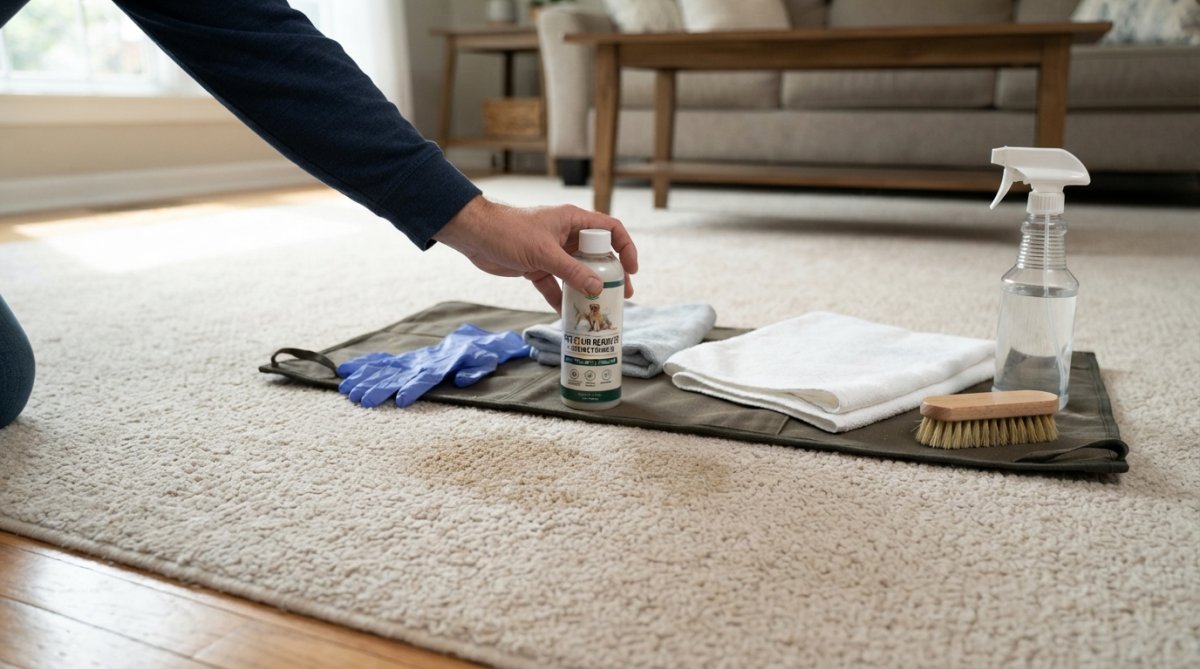
Gather these items before tackling a stain: an absorbent cloth or paper towels, a spray bottle, a wet extraction machine or shop vacuum, and your chosen cleaning solution. You’ll also want distilled water for rinsing (tap water leaves mineral deposits that attract dirt) and a small brush or soft-bristled carpet brush to work solutions through the fibres without damaging them.
Safety considerations for pets and children
Never use ammonia-based cleaners on pet stains. Ammonia smells like concentrated urine to dogs and cats and actually encourages them to re-mark the same spot. Additionally, ammonia can damage certain carpet fibres and create toxic fumes if mixed with other chemicals.
Hydrogen peroxide can bleach some carpet colours, so always test any solution on a hidden area first. Enzymatic cleaners are generally pet-safe once dry, but keep pets away during application. Baking soda is non-toxic but can leave residue if not vacuumed thoroughly. If you have young children, avoid solutions with strong chemical odours and ensure everything dries completely before allowing them to crawl or play on treated areas.
Step-by-Step: How to Remove Pet Stains From Carpets
The process follows a logical sequence: contain, treat, extract, and dry. Skip any step and you’ll compromise the result.
Step 1: Blot excess moisture immediately
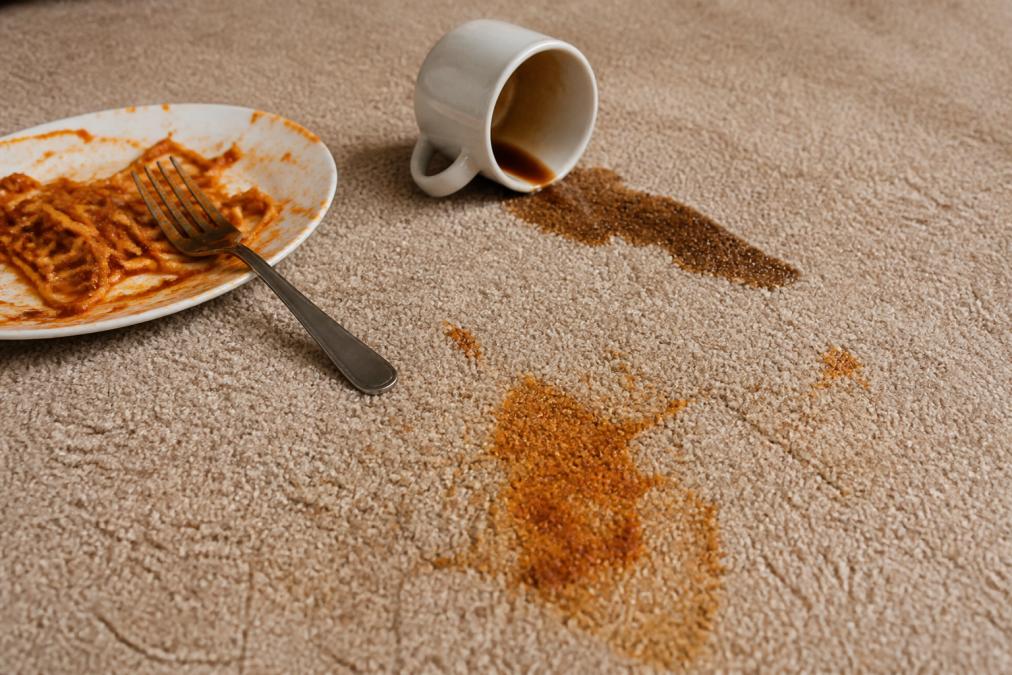
For fresh stains, blot rather than rub, which spreads the stain and pushes liquid deeper. Place an absorbent cloth directly on the stain and press down firmly for 10-15 seconds. Lift and check. Repeat with a fresh section of cloth until no more moisture transfers. This single step removes the bulk of the liquid before it has time to set.
(/2026/07/14/how-to-get-rid-of-carpet-odors/) Remove Pet Stains From Carpets]
For solid waste, remove what you can with paper towels first without grinding it into the fibres. Once the surface is clear, proceed to blotting any remaining moisture.
Step 2: Test for colorfastness
Before applying any cleaning solution, test it on a hidden area of carpet, inside a closet, under furniture, or in a corner. Apply the solution, let it sit for five minutes, and blot with a white cloth. If colour transfers to the cloth, the solution is too strong or the carpet isn’t colourfast. Dilute further or choose a gentler alternative.
Step 3: Apply your chosen cleaning solution
Once you’ve confirmed the solution is safe for your carpet, apply it using a spray bottle. Don’t oversaturate; you want the carpet damp, not dripping. Let the solution sit for 5-10 minutes so it can break down the stain compounds.
Step 4: Extract and rinse thoroughly
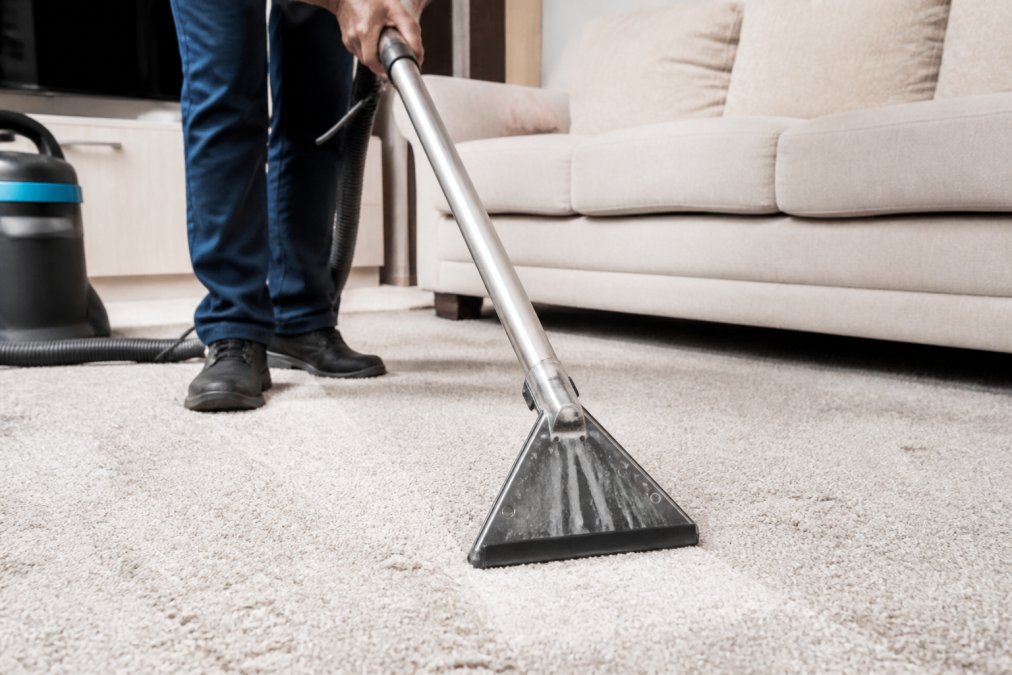
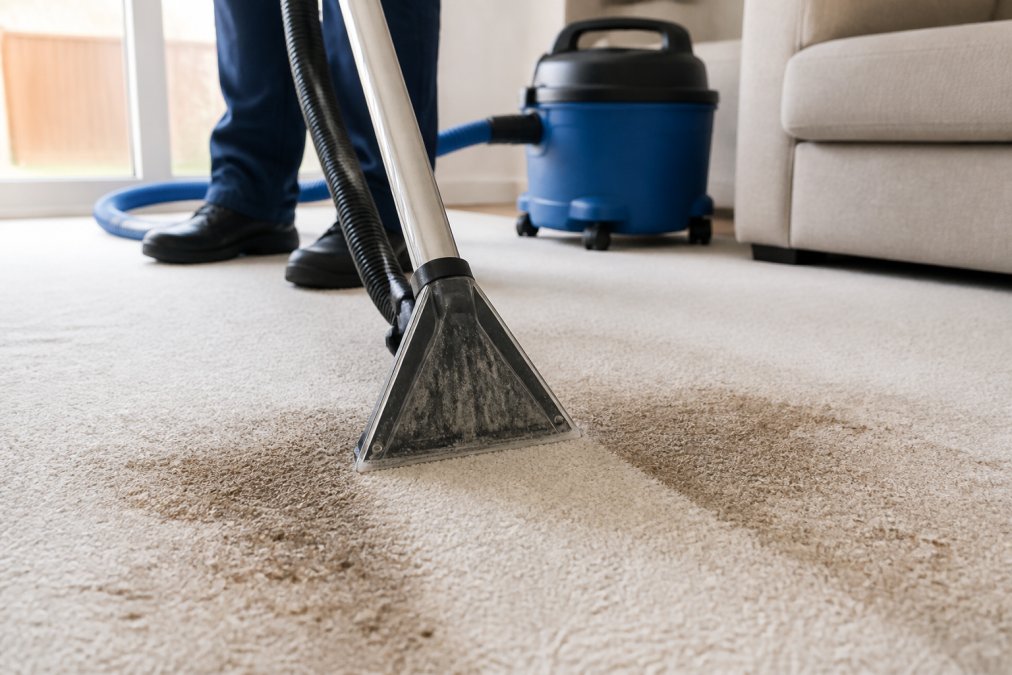
Use a wet extraction machine or shop vacuum to pull the solution and dissolved stain out of the carpet. Make multiple passes over the area. After extraction, spray the area with distilled water to rinse away any cleaning residue, then extract again. Residual cleaner left in the carpet attracts dirt and makes the spot look dirty again within days.
Step 5: Dry completely to prevent odour return
Incomplete drying is the enemy. Damp carpet smells musty and allows bacteria to thrive. Open windows, turn on fans, or use a dehumidifier to speed drying. The carpet should be completely dry within 24 hours. If it still feels damp after that, extract again with a shop vacuum.
DIY Pet Stain Removal Carpet Solutions That Work
Three solutions dominate DIY pet stain removal because they’re accessible, affordable, and genuinely effective when used correctly.
White vinegar and water solution
Mix equal parts white vinegar and distilled water in a spray bottle. This solution works on fresh and moderately set stains. The acidity neutralises the alkaline compounds in urine and helps break down the stain. Apply the solution, let it sit for 5-10 minutes, then blot and extract. For stubborn stains, let it sit longer, up to 30 minutes.
Baking soda application for odour neutralisation
Baking soda is a powerful odour neutraliser. After treating and extracting a stain, sprinkle baking soda liberally over the damp area. Let it sit for at least 24 hours. The baking soda absorbs odour molecules trapped in the carpet fibres and padding. Once it’s had time to work, vacuum thoroughly. You may need to vacuum multiple times to remove all the powder.
Hydrogen peroxide for stubborn stains
Hydrogen peroxide is an oxidising agent that breaks down organic compounds and is particularly effective on old, set-in stains. However, it can bleach carpet colours, so always test first. Use a 3% solution (standard drugstore strength) rather than industrial-strength peroxide. Apply, let it sit for 10-15 minutes, then blot and extract. Rinse thoroughly with distilled water afterwards to remove any residue.
Best Pet Stain Remover for Carpets UK: Enzymatic Cleaners
Enzymatic cleaners represent the gold standard for pet stain removal because they address the root cause of the problem, the organic compounds that create both the stain and the smell.
How enzymatic cleaners break down urine crystals
Enzymes are biological catalysts that break chemical bonds. Pet urine contains uric acid, which forms crystals as it dries. Standard cleaners can remove the liquid and some of the smell, but they can’t dissolve the uric acid crystals bonded to the carpet backing. Enzymatic cleaners contain protease and amylase enzymes specifically designed to target and break down these crystals.
When you apply an enzymatic cleaner, the enzymes need time to work, typically 12-24 hours. The enzymes work in the background, breaking down the urine compounds at a molecular level. Once they’ve finished, the stain and smell are genuinely gone, not just masked.
Why enzymatic solutions outperform standard cleaners
Standard carpet cleaners, vinegar, baking soda, and commercial carpet shampoos remove what they can reach. They clean the visible stain and reduce surface odours but can’t dissolve uric acid crystals in the padding. This is why old stains seem to return: the crystals reactivate when moisture touches them, releasing the smell again.
Enzymatic cleaners eliminate the crystals entirely. Once the enzymes have broken them down, there’s nothing left to reactivate. This is why professional carpet cleaners often use enzymatic treatments, they’re the only solution that permanently removes old pet stains rather than just masking them temporarily.
How to Get Rid of Dog Urine Smell From Carpet UK
Odour removal requires a different approach than stain removal, though the two are related. A stain without smell is cosmetic damage; smell without a visible stain is often worse because you can’t see what you’re treating.
Identifying hidden urine spots with UV detection
Pet urine fluoresces under ultraviolet light. If you suspect hidden accidents in your carpet, a UV torch reveals them immediately. Many people discover multiple spots they’d missed with the naked eye.
Once identified, treat each spot as you would a visible stain. Hidden spots are often older and more set-in, so expect to use enzymatic cleaners and allow extended treatment time.
Treating carpet padding and backing layers
Most pet odour problems live in the padding and backing, which absorb urine that seeps through the carpet pile. Surface cleaning alone won’t reach these layers.
For serious odour problems, you may need to lift the carpet edge and treat the padding directly. Spray enzymatic cleaner under the carpet, let it soak for 24 hours, then extract if possible. If the padding is severely soaked, it may need replacement.
Remove Old Pet Stains From Carpet UK: Tackling Set-In Damage
Old stains are fundamentally different from fresh ones. The urine has crystallised, the smell has become embedded in multiple layers, and the damage is often permanent if not treated aggressively.
Pre-treatment techniques for aged stains
For set-in stains older than a week, pre-treatment is essential. Apply your chosen solution, enzymatic cleaner works best, and let it sit for 24-48 hours before extraction. Cover the treated area with plastic to prevent the solution from drying out. This keeps the enzymes active and working throughout the entire pre-treatment period. After the soak, extract as thoroughly as possible, then apply a fresh batch of solution and repeat if the stain or smell persists.
Deep cleaning methods for hardwood and delicate fibres
Hardwood floors adjacent to carpeted areas can absorb urine that wicks sideways from the carpet edge. Clean hardwood with enzymatic cleaner designed for wood, or use white vinegar diluted 1:1 with water. Don’t oversaturate wood, as it swells and warps.
Delicate carpet fibres like wool or silk require gentler treatment. Avoid hydrogen peroxide entirely on wool. Stick with enzymatic cleaners and white vinegar solutions, which are less likely to cause harm. Always test first, and consider professional cleaning if the stain is severe.
Common Mistakes to Avoid When Cleaning Pet Stains
Understanding what not to do is as important as knowing what to do.
Why ammonia-based cleaners backfire on pet urine
Ammonia smells like urine to dogs and cats and actually encourages them to re-mark the same spot because they interpret the ammonia smell as territorial marking from another animal. Additionally, ammonia can react with urine residue to create toxic fumes. If you’ve already used ammonia, rinse the area thoroughly first before applying other treatments.
Equipment troubleshooting: When DIY methods aren’t enough
If you’ve tried multiple treatments and the stain or smell persists, the problem likely extends beyond the carpet surface. The padding or subfloor may be saturated. Professional extraction equipment uses much higher suction power and heat, which is why professional cleaning often succeeds where DIY attempts fail. Additionally, professionals can lift the carpet to treat padding directly.
| Approach | Best For | Drying Time | Cost |
|---|---|---|---|
| Blotting + vinegar | Fresh stains, light soiling | 12-24 hours | £0-5 |
| Baking soda treatment | Odour neutralisation, older stains | 24-48 hours | £3-8 |
| Hydrogen peroxide | Stubborn discolouration, light carpets | 12-24 hours | £5-10 |
| Enzymatic cleaner | Set-in stains, urine crystals | 24-48 hours | £10-20 |
| Professional extraction | Severe staining, padding saturation | 6-12 hours | £50-150+ |
Pet stains that keep returning even after cleaning suggest the underlying urine crystals in the padding haven’t been fully addressed. If DIY methods haven’t worked after two or three attempts, the issue has likely moved beyond surface treatment. Carpet Cleaning In Stockport specialises in deep extraction that reaches carpet padding and backing layers, using advanced equipment and enzymatic solutions to eliminate urine crystals permanently rather than temporarily masking odours. Their fast drying times, often 6-12 hours compared to the 24-48 hours typical of DIY approaches, prevent the musty smell that develops when carpet stays damp too long. For recurring pet stains or stubborn odours that won’t disappear, professional deep cleaning restores your carpet to its original condition and eliminates the smell completely.
Frequently Asked Questions
What is the best homemade solution for removing pet stains from carpets?
A mixture of white vinegar and distilled water is highly effective for fresh pet stains. Mix equal parts vinegar and water in a spray bottle, apply to the stained area, let sit for 10-15 minutes, then blot thoroughly with an absorbent cloth. For odour neutralization, baking soda works exceptionally well, sprinkle it over the damp area after vinegar treatment, leave for several hours, then vacuum. For stubborn stains, hydrogen peroxide can be used on light-coloured carpets, but always test for colorfastness first on an inconspicuous area.
How do you get old, dried pet stains out of carpet?
Set-in pet stains require pre-treatment and deeper extraction. First, identify the stain's exact location using a UV light. Mix an enzymatic cleaner with distilled water according to product instructions and saturate the affected area, including the carpet padding if possible. Enzymatic cleaners break down urine crystals that cause lingering odours. Allow 24-48 hours for the enzymes to work, then extract with a carpet shampoo machine or hire professional deep cleaning services. For old stains on hardwood or delicate fibres, professional equipment ensures better results without damaging carpet backing.
Can baking soda and vinegar really remove pet urine smell from carpet?
Yes, but with important caveats. Baking soda is an excellent odour neutralizer that absorbs and deodorizes, while vinegar cuts through residue and kills bacteria. However, these work best on fresh stains. For persistent dog urine smell, you may need enzymatic cleaners that actually break down urine crystals rather than just masking odours. The combination of vinegar, baking soda, and enzymatic treatment addresses the problem at multiple levels, residue removal, odour absorption, and crystal breakdown, making it more effective than either alone.
What should you not use on pet stains on carpet?
Avoid ammonia-based cleaners at all costs, ammonia mimics the scent of urine and can actually encourage pets to re-mark the same spot. Never use undiluted bleach, as it can damage carpet fibres and create toxic fumes when mixed with urine. Avoid steam cleaning fresh stains, as heat can set protein-based stains permanently into fibres. Don't use excessive water, which can saturate carpet backing and padding, leading to mould and musty odours. Always test any cleaning solution on a hidden area first to check for colorfastness, especially on delicate or dark-coloured carpets.
This article was written using GrandRanker