Table of Contents
- Act Fast: Immediate Steps to Remove Red Wine Stains from Carpet
- How to Get Red Wine Out of Carpet DIY: Three Proven Methods
- How to Remove Old Red Wine Stains from Carpet
- Red Wine Stain on Wool Carpet: Material-Specific Care
- Best Red Wine Stain Remover Carpet Products and Alternatives
- Common Mistakes to Avoid When Treating Red Wine Stains
- When to Call a Professional Carpet Cleaner
- Conclusion
Last Updated: July 27, 2026
Act Fast: Immediate Steps to Remove Red Wine Stains from Carpet
A fresh red wine spill feels like a disaster, but the first 10 to 15 minutes are critical. Before the tannins permanently alter the carpet’s colour, you have a window of opportunity to act. At Carpet Cleaning In Stockport, we’ve seen countless situations where quick action made the difference between complete removal and a permanent mark.
Blot, Don’t Scrub
Your instinct might be to rub the stain aggressively, but that’s the worst thing you can do. Scrubbing pushes the wine deeper into the carpet pile and spreads the stain across a wider area.
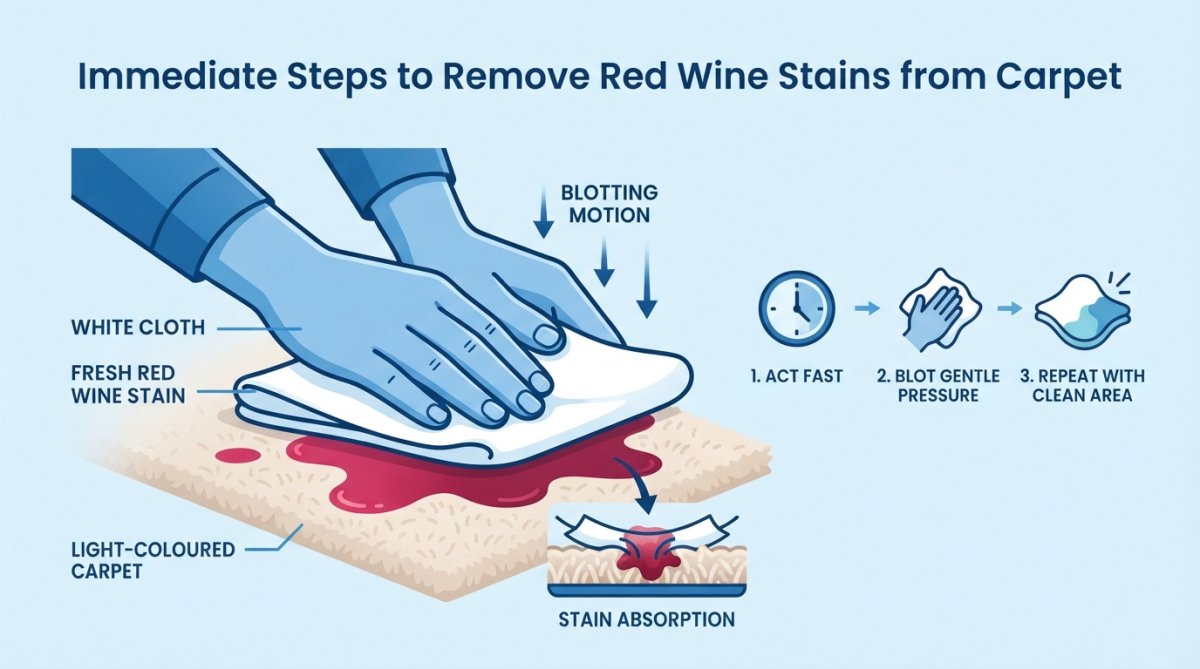
Start by taking an absorbent cloth, white paper towels, or white kitchen roll, and press it firmly onto the stain. Don’t wipe. Don’t rub. Press down with steady pressure for 3 to 5 seconds, then lift. Repeat this process with a fresh section of cloth each time until the cloth no longer picks up colour. Thorough blotting removes 40 to 60 percent of the stain before you even apply any cleaning solution.
Use only white cloths or paper towels. Coloured fabrics can transfer dye onto the carpet, creating a secondary stain problem.
Assess the Damage
Before moving to cleaning solutions, evaluate what you’re dealing with. Is the stain fresh and wet, or has it been sitting for several hours? Is the carpet synthetic or natural wool? Fresh spills respond dramatically better to treatment than old stains. Check your carpet’s label if you’re unsure of the material, as synthetic and wool carpets require different approaches.
How to Get Red Wine Out of Carpet DIY: Three Proven Methods
Once you’ve blotted away the excess liquid, you have three effective options using common household ingredients.
Method 1: White Vinegar and Water Solution
White vinegar breaks down the tannins responsible for the colour. Mix one part white vinegar with one part cold water in a spray bottle. Never use hot water; heat sets wine stains permanently. Apply the solution lightly and let it sit for 5 to 10 minutes, then blot with a clean, absorbent cloth. Repeat two or three times, using fresh sections of cloth each time. After the final blotting, rinse the area with cold water and blot again to remove any vinegar residue.
White vinegar is most effective on fresh to moderately set stains (under 6 hours old). For older stains, you’ll likely need the hydrogen peroxide method or professional intervention.
Method 2: Hydrogen Peroxide and Dish Soap
Hydrogen peroxide works through oxidation, breaking down the chemical structure of the wine stain. Combined with dish soap, which helps lift the stain from the fibres, this method is more powerful than vinegar alone and works particularly well on synthetic carpets.
Mix one tablespoon of hydrogen peroxide (the standard 3% solution from any pharmacy) with one tablespoon of liquid dish soap and one cup of cold water. Apply this solution to the stain and let it sit for 5 minutes. The mixture should fizz slightly as it works. Blot thoroughly with a white cloth, pressing firmly. Repeat until the stain is gone, then rinse with cold water and blot dry.
Test this method on a hidden area of carpet first; hydrogen peroxide can lighten some carpet dyes, particularly darker colours. If the test area shows no discolouration after 10 minutes, you’re safe to proceed.
Method 3: Baking Soda Application
Baking soda absorbs residual moisture and odour. For fresh spills, sprinkle it directly onto the wet stain and let it sit for 5 to 10 minutes, then vacuum thoroughly. For set-in stains, make a paste by mixing baking soda with a small amount of cold water, apply it to the stain, let it dry completely (usually 24 hours), then vacuum.
How to Remove Old Red Wine Stains from Carpet
If the red wine stain has been sitting for days or weeks, the situation is more challenging but not hopeless. Old stains require patience and repeated treatment.
Rehydrating Set-In Stains
Spray the old stain lightly with cold water, just enough to dampen it without soaking the carpet. Wait 15 minutes, allowing the water to penetrate the dried stain. Then apply your chosen cleaning solution: white vinegar, hydrogen peroxide, or a commercial carpet cleaner. The rehydration step makes these solutions far more effective on old stains. This process may need to be repeated multiple times over several days.
Never use hot water on an old stain. Heat permanently sets the remaining dye molecules into the carpet fibre, making the stain impossible to remove.
Extended Soaking and Patience
For particularly stubborn old stains, dampen the stain with your chosen cleaning solution, then place a white cloth over it and weight it down with something heavy. Leave this setup overnight or for 8 to 12 hours. The extended contact time allows the cleaning solution to fully penetrate the stain and break down the wine’s chemical structure. In the morning, remove the weight, blot thoroughly, and assess the stain.
Red Wine Stain on Wool Carpet: Material-Specific Care
Wool carpets are beautiful and durable, but they require different treatment than synthetic fibres. Wool is protein-based and more susceptible to damage from harsh chemicals, excessive heat, and aggressive scrubbing.
Wool is naturally absorbent, so red wine penetrates wool fibres quickly. You have perhaps 5 to 10 minutes before the stain begins to set permanently. The good news is that wool’s natural properties make it responsive to gentle treatment.
Safe Cleaning Solutions for Wool
For wool carpets, stick to the gentlest methods. White vinegar and water is your safest option. Mix one part vinegar with three parts cold water (a weaker concentration than you’d use on synthetic carpet).
Avoid hydrogen peroxide on wool unless you’ve tested it extensively on a hidden area first. Some wool dyes are particularly vulnerable to oxidation. If the stain persists after multiple applications of vinegar solution, call a professional carpet cleaner. Carpet Cleaning In Stockport specialises in wool carpet care and has access to professional-grade cleaning solutions specifically formulated for delicate fibres.
Best Red Wine Stain Remover Carpet Products and Alternatives
While household solutions work well, several commercial products are specifically designed for red wine stains. Commercial carpet cleaners like Resolve, Vanish, and Chem-Dry contain enzymes that break down the stain’s chemical structure more aggressively than vinegar or baking soda alone.
For fresh stains on synthetic carpet, homemade solutions work just as well as commercial products and cost less. For old, set-in stains or stains on expensive wool carpet, commercial products often deliver better results.
Always test any new product on a hidden area of carpet first. Apply it, wait 10 minutes, and check for colour changes or damage before treating the visible stain.
Eco-Friendly and Non-Toxic Alternatives
Enzymatic cleaners derived from plant sources break down organic stains without synthetic chemicals. Club soda is another option; the carbonation helps lift the stain. Pour it directly onto the stain and blot immediately.
The most effective eco-friendly approach combines white vinegar (which breaks down tannins) with baking soda (which absorbs moisture and odour). Use vinegar first as a liquid treatment, then apply baking soda once the area has dried slightly.
Common Mistakes to Avoid When Treating Red Wine Stains
Using hot water is the most common error. Heat accelerates the chemical bonding between wine and carpet fibres, essentially setting the stain permanently. Always use cold water.
Scrubbing aggressively spreads the stain across a larger area and pushes wine deeper into the carpet backing. Blotting is always superior to scrubbing.
Waiting too long before treating the stain makes it harder to remove. If you’re away from home when the spill happens, calling a professional carpet cleaner immediately often produces better results than attempting DIY treatment days later.
Using the wrong cleaning solution for your carpet type causes damage. Always verify your carpet material before applying any treatment. Applying too much liquid can seep through the carpet backing and cause mildew or mould growth. Use just enough liquid to dampen the stain.
Failing to rinse thoroughly leaves cleaning solution residue in the carpet, which attracts dirt and causes the stain area to get dirty again quickly. Always finish by rinsing with cold water and blotting dry.
When to Call a Professional Carpet Cleaner
Some situations demand professional intervention. If the stain is older than one week and your DIY attempts have made no progress, professional cleaning is your best option. Professional equipment and solutions are far more powerful than household alternatives. Carpet Cleaning In Stockport uses advanced deep-cleaning technology and professional-grade enzymatic cleaners specifically formulated for wine stains.
If the stain is on expensive or delicate carpet, particularly wool, silk, or natural fibres, professional cleaning protects your investment. A single mistake with DIY treatment on expensive carpet can cause damage worth far more than professional cleaning costs.
If the stain covers a large area or multiple areas, professional cleaning is more efficient. If you’re renting and need the stain removed before a move-out inspection, professional cleaning provides peace of mind and ensures your deposit isn’t at risk.
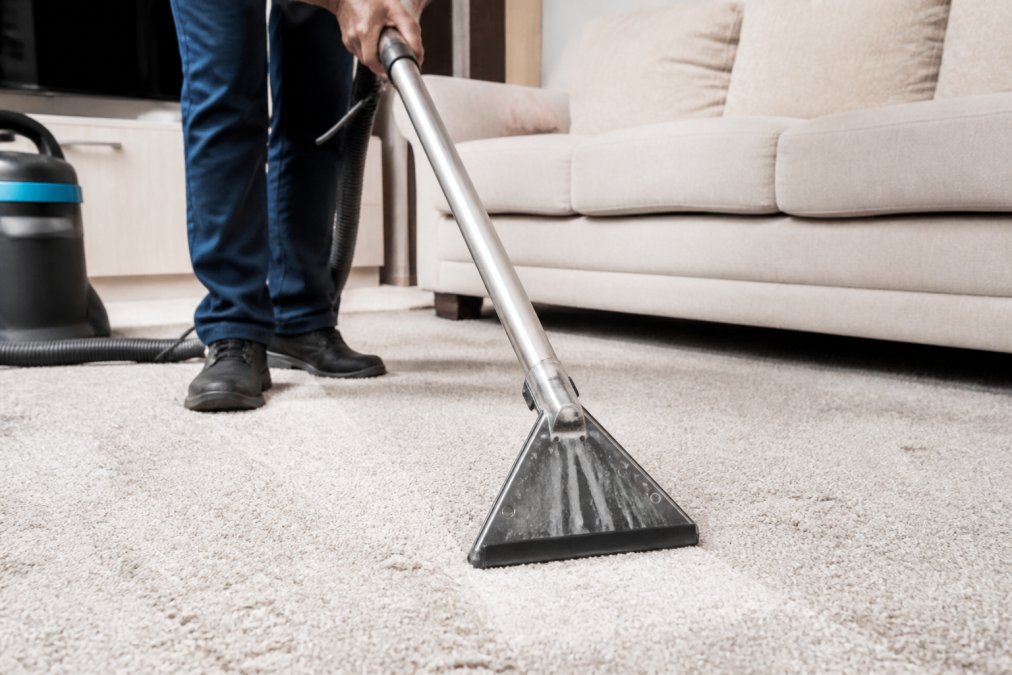
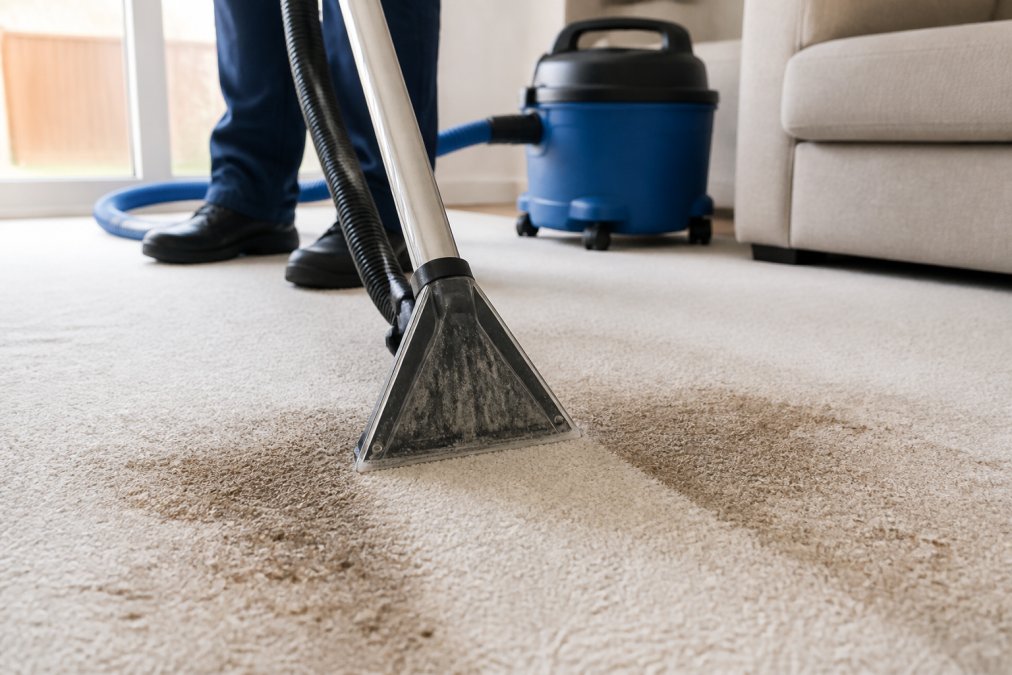
Professional carpet cleaning also addresses a problem DIY treatment can’t: residue management. Even after successful stain removal, cleaning solution residue can remain in the carpet fibres, attracting dirt. Professional cleaners use extraction equipment that removes not just the stain but also all cleaning solution residue, leaving your carpet truly clean.
At Carpet Cleaning In Stockport, we offer same-day service for urgent situations and use family-friendly, pet-safe cleaning solutions. Our deep-cleaning process removes dirt, stains, bacteria, and allergens while restoring your carpet to its original quality. Fast drying times mean your carpet is ready to use within hours.
Conclusion
Red wine stains don’t have to be permanent. The moment a spill happens, you have a window of opportunity to act. Blot immediately with an absorbent cloth, then apply one of the three proven methods depending on the stain’s age and your carpet type.
For fresh spills on synthetic carpet, DIY treatment works remarkably well. For old stains, delicate materials, or situations where DIY attempts have failed, professional intervention is the smart choice. If you’re facing a stubborn red wine stain or want to avoid the risk of damaging your carpet, Carpet Cleaning In Stockport provides professional deep-cleaning services with fast drying times, family-friendly solutions, and experienced technicians trained in material-specific care. Get in touch for same-day service and restore your carpet with confidence.
Frequently Asked Questions
What is the best homemade solution for red wine stains on carpet?
A white vinegar and cold water solution is highly effective for fresh stains. Mix equal parts white vinegar and cold water, apply to the stain with an absorbent cloth, and blot repeatedly. For stubborn stains, hydrogen peroxide combined with a small amount of dish soap works well. Always test any solution on a hidden carpet area first to check for colorfastness, especially on wool or synthetic carpets with delicate dyes.
How do you remove old, dried red wine stains from carpet?
Rehydrate the stain by applying cold water or a cleaning solution to restore moisture to the carpet fibres. Let it sit for 10-15 minutes to allow the solution to penetrate, then blot with an absorbent cloth. For set-in stains, you may need to repeat this process multiple times. If the stain persists after several attempts, professional carpet cleaning equipment can often lift what DIY methods cannot remove completely.
Can you use hydrogen peroxide on red wine stains on carpet?
Yes, hydrogen peroxide is effective for red wine stains when combined with a small amount of dish soap. Mix one part hydrogen peroxide with one part dish soap, apply to the stain, and blot with a damp cloth. However, hydrogen peroxide can lighten or bleach carpet, so always perform a spot test on an inconspicuous area first. Avoid using it on wool carpets or dark-coloured synthetic carpets without testing.
Why should I hire a professional cleaner instead of treating red wine stains myself?
Professional carpet cleaners have access to industrial-grade equipment, enzyme-based cleaning solutions, and expertise in handling different carpet materials, particularly wool rugs and delicate synthetic fibres. They can remove residue that DIY methods leave behind, prevent permanent damage from incorrect pH balance, and ensure faster drying times. If a stain hasn't responded to multiple DIY attempts or covers a large area, professional cleaning offers the best chance of complete removal without damaging your carpet.
This article was written using GrandRanker