Table of Contents
- Act Immediately: How to Remove Coffee Stains from Carpet While Fresh
- Homemade Coffee Stain Remover for Carpet: Natural Solutions That Work
- Best Way to Remove Old Coffee Stains from Carpet
- How to Remove Coffee Stains from Wool Carpet: Material-Specific Care
- Light vs. Dark Carpets: Adjusting Your Approach by Carpet Colour
- Common Mistakes to Avoid When Treating Coffee Stains
- Professional Coffee Stain Removal Carpet Cost UK: When to Call the Experts
- Drying and Preventing Future Stains
Last Updated: July 28, 2026
Act Immediately: How to Remove Coffee Stains from Carpet While Fresh
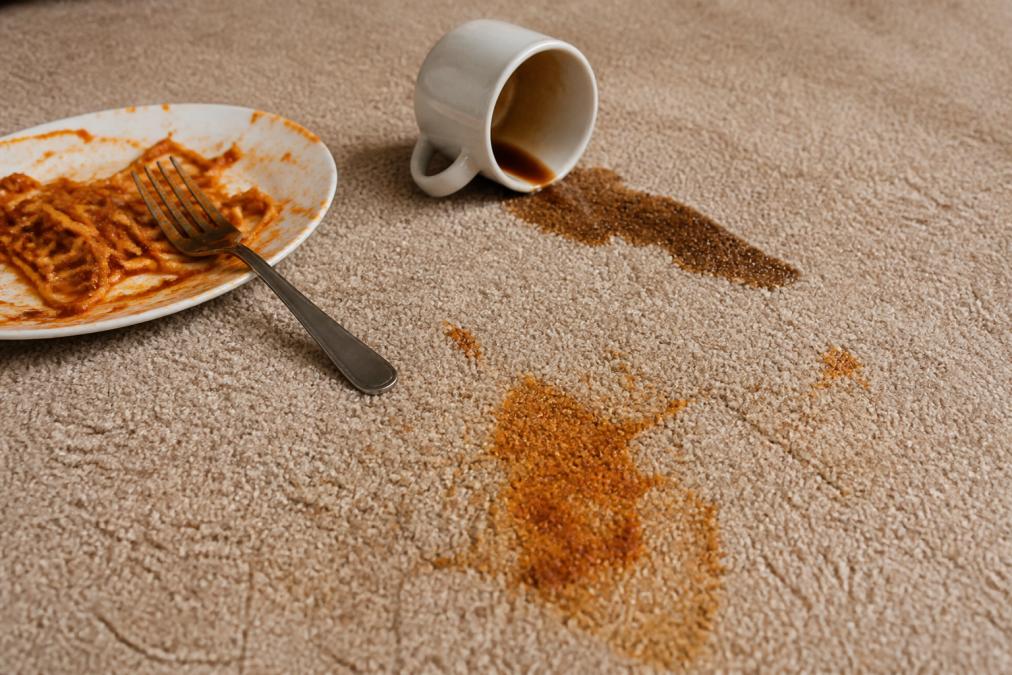
When you spill coffee on your carpet, the first few minutes determine whether you’re dealing with a permanent stain or a quick fix. Fresh coffee stains are far easier to treat because the tannins, compounds that create the brown colour, haven’t bonded with the carpet fibres yet. Once they dry, they become chemically locked in, making removal exponentially harder. This is why timing matters more than the cleaning method you choose.
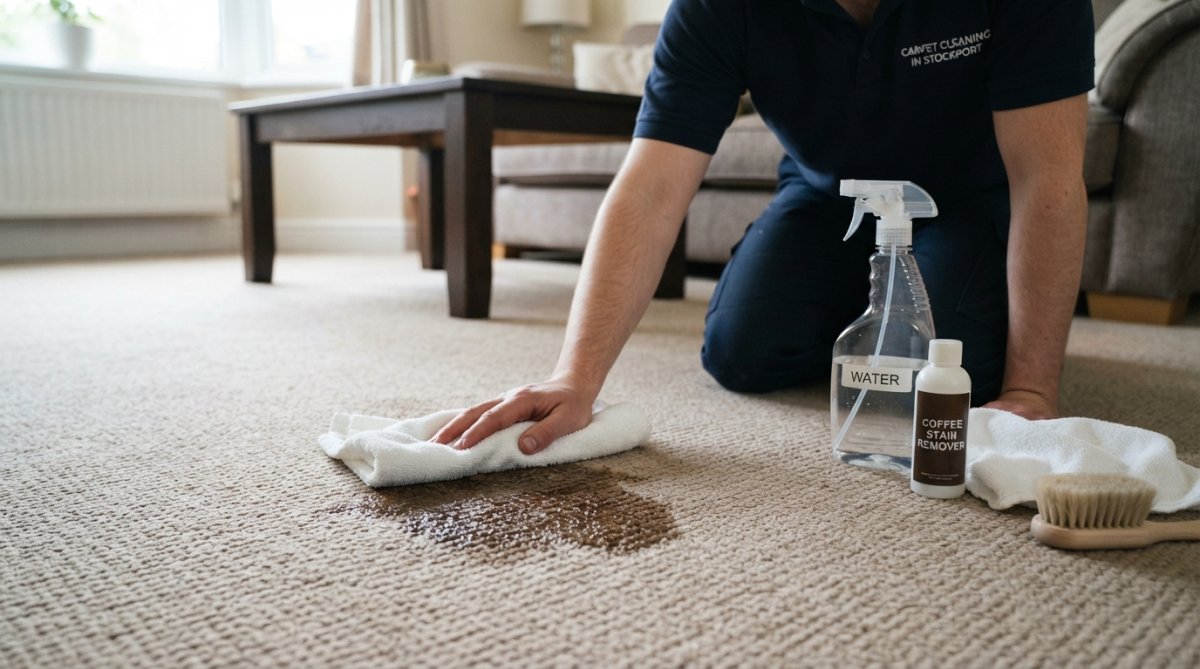
The first step is to stop the spread. Grab paper towels or a clean cloth immediately and begin blotting the affected area. Removing as much liquid as possible right now prevents deeper penetration into the carpet backing and underlay.
Blot, Don’t Scrub
Blotting is the critical technique that separates successful stain removal from permanent damage. When you blot, you’re lifting the liquid upward from the carpet pile. When you scrub, you’re forcing the stain deeper into the fibres and damaging the carpet structure.
Use firm, downward pressure with your cloth or paper towels. Work from the outer edges of the stain toward the centre to prevent spreading. Replace your cloth with a fresh, dry one every few blots. The motion should feel like pressing and lifting, never dragging or scrubbing.
Use white cloths or paper towels only. Coloured fabrics can transfer dye to your carpet, creating a secondary stain problem.
Rinse with Cold Water
Once you’ve blotted away excess liquid, rinse the area with cold water. Hot water opens the carpet fibres and can set stains, so cold water is essential. Lightly mist the stained area with a spray bottle, don’t oversaturate. Blot the cold water with fresh paper towels using the same pressing motion. Repeat this rinse-and-blot cycle 3-4 times to remove residual coffee and prevent the stain from reappearing as the carpet dries.
Allow the carpet to air dry completely before moving to the next step. Placing a fan nearby speeds up drying and prevents musty odours. If the stain is still visible after drying, move to the homemade solutions in the next section.
Homemade Coffee Stain Remover for Carpet: Natural Solutions That Work
Before reaching for commercial chemical cleaners, try these proven homemade solutions using ingredients most households already have.
Baking Soda and White Vinegar Method
The combination of baking soda and white vinegar is one of the most effective natural stain removers. Baking soda is mildly alkaline and acts as a gentle abrasive and deodoriser, while white vinegar’s acidity breaks down the tannins in coffee.
Sprinkle baking soda directly onto the damp stain, roughly one-quarter teaspoon per square inch. Let it sit for 5-10 minutes. Mix a solution of one part white vinegar to two parts water in a spray bottle and spray onto the baking soda. You’ll see it fizz as the vinegar reacts with the baking soda, helping lift the stain from the carpet fibres. Let it sit for 10-15 minutes.
Blot the area thoroughly with clean cloths using firm pressing motions. Repeat the spray-and-blot cycle if necessary until the cloth comes away clean. Rinse with cold water one final time to remove any vinegar smell, then blot dry.
Never mix vinegar with bleach or ammonia-based cleaners. The chemical reaction produces toxic fumes that are dangerous to inhale.
Dish Soap and Warm Water Solution
A simpler alternative uses ordinary dish soap and warm water, particularly effective for fresh stains that haven’t fully set.
Mix one tablespoon of dish soap with two cups of warm water. Spray the solution onto the stain and let it sit for 5 minutes. The soap breaks down the oils and compounds in the coffee, making them easier to lift from the fibres. Blot with clean cloths using firm downward pressure. Repeat the spray-and-blot process 2-3 times until the stain is gone.
Rinse with cold water to remove all soap residue, as soap left in the carpet attracts dirt and can make the stain reappear more quickly. Blot dry with fresh cloths and allow the carpet to air dry completely.
Best Way to Remove Old Coffee Stains from Carpet
Dried coffee stains are more challenging because the tannins have bonded chemically with the carpet fibres. However, with patience and the right approach, even old stains can be significantly lightened or removed.
Enzymatic Cleaners for Dried Stains
Enzymatic cleaners are specifically designed to break down organic compounds like those found in coffee. These products contain enzymes that eat away at the stain at a molecular level, making them more effective on set stains than simple soap and water.
Purchase an enzymatic cleaner designed for carpet use and follow the product instructions carefully. Generally, you’ll spray or pour the cleaner onto the stain, let it sit for the recommended time (usually 15-30 minutes), and then blot thoroughly. The waiting time is crucial, enzymatic cleaners need time to work. After the waiting period, blot with clean cloths using firm pressure. You may need to repeat the application 2-3 times for stubborn stains.
Rinse with cold water after each application to remove cleaner residue, then blot dry. Enzymatic cleaners are safe for most carpet types, but always test on a hidden area first.
Enzymatic cleaners work best when the carpet is slightly damp. If your old stain is completely dry, lightly mist it with cold water before applying the cleaner.
Testing for Colorfastness First
Before applying any cleaning solution to a visible part of your carpet, test it on a hidden area to ensure the solution won’t bleach or discolour your carpet. Choose a spot normally hidden, under a sofa, in a closet corner, or behind a door. Apply a small amount of your chosen cleaning solution, let it sit for 5 minutes, and blot with a white cloth. Observe whether any colour transfers to the cloth or whether the carpet’s colour has changed.
If the test area shows no discolouration, it’s safe to use the solution on your visible stain. This simple test prevents disasters.
How to Remove Coffee Stains from Wool Carpet: Material-Specific Care
Wool carpet requires a different approach than synthetic fibres because wool is a protein-based natural fibre that’s more delicate and prone to damage from harsh chemicals. Avoid enzymatic cleaners and stick to gentler methods like the baking soda and white vinegar solution or the dish soap and water method.
When blotting wool carpet, use slightly less pressure than you would with synthetic carpet. Wool fibres are more delicate and can be permanently bent or damaged by aggressive scrubbing. Drying is particularly important for wool, place a fan nearby to speed up the drying process. Wool that stays damp for more than 24 hours is at risk of developing mildew and musty smells.
For stubborn stains on wool carpet, professional cleaning is often the better choice. Wool is expensive, and a DIY mistake can cause permanent damage. At Carpet Cleaning In Stockport, our technicians understand the specific needs of wool carpet and use methods that remove stains without damaging the fibres.
Light vs. Dark Carpets: Adjusting Your Approach by Carpet Colour
The colour of your carpet affects how visible the stain is and how aggressively you need to treat it.
Removing Stains from Light-Coloured Carpets
Light carpets show every mark, which demands quick action and thorough treatment. For light carpets, the dish soap and water solution is often your first choice because it’s gentler and less likely to leave residue that shows up as a darker patch. After treating the stain, rinse multiple times, at least 4-5 rinse cycles for light carpet. Any leftover soap or cleaning solution residue will be visible as a dull or slightly darker spot.
Allow extra drying time for light carpets. Place a fan in the room and leave it running for several hours after treatment.
Stain Removal for Dark Carpets
Dark carpets hide faint stains and residue that would show on light carpet, but this means you might not notice a stain until it’s had time to set deeper into the fibres. You can use stronger solutions like the vinegar and baking soda method without worrying about residue showing. The enzymatic cleaner method also works well on dark carpet.
Treat dark stains longer than you would light ones, and repeat the cleaning process more times to ensure complete removal. Test any solution on a hidden area of dark carpet before applying it to the visible stain.
Common Mistakes to Avoid When Treating Coffee Stains
Most people’s first instinct is to scrub aggressively, the single biggest mistake in stain removal. Scrubbing drives the stain deeper into the carpet and damages the pile. Always blot instead.
Using hot water is another common error. Hot water opens the carpet fibres and can set stains permanently. Stick to cold water for coffee stains.
Waiting too long before treating the stain allows the coffee to penetrate deeper. If you can’t treat it immediately, at least blot up the excess liquid and prevent further spreading.
Over-wetting the carpet can damage the carpet backing, create mildew, and reactivate dried stains. Use minimal liquid and blot thoroughly.
Using coloured cloths instead of white ones can transfer dye to your carpet. Always use white paper towels or white cloths.
Skipping the rinse step causes stains to reappear. Cleaning solution residue left in the carpet will attract dirt and make the stain look darker as it dries. Always rinse thoroughly with cold water after using any cleaning solution.
Never apply heat to a coffee stain, not with a hair dryer, hot water, or direct sunlight. Heat sets the stain permanently by bonding the tannins more tightly to the fibres.
Professional Coffee Stain Removal Carpet Cost UK: When to Call the Experts
Sometimes DIY methods aren’t enough, and that’s when professional cleaning becomes the right choice.
Why Professional Cleaning Outperforms DIY Methods
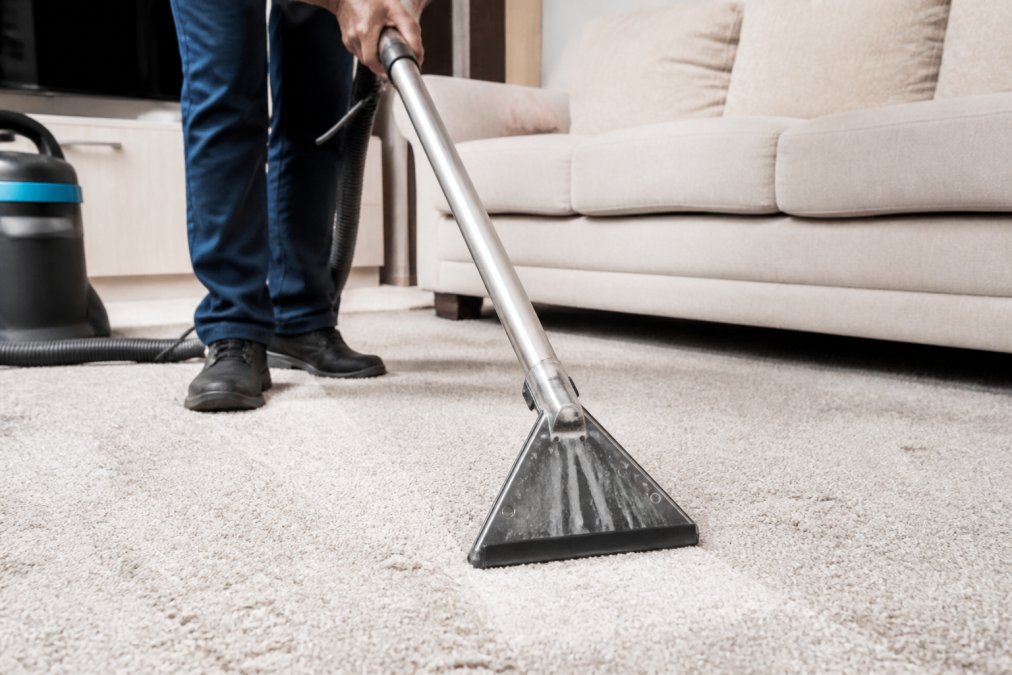
Professional carpet cleaners have access to equipment and solutions unavailable to consumers. They use truck-mounted hot water extraction systems that apply pressure and heat in ways household methods cannot match. These machines can reach deep into the carpet pile and backing to remove stains that have set for months or years.
Professional cleaners also have years of experience diagnosing different types of stains and choosing the right treatment method for each situation. At Carpet Cleaning In Stockport, our technicians use advanced equipment and family-friendly, pet-safe cleaning solutions to remove stains effectively. Professional cleaning also protects your carpet’s lifespan, aggressive DIY scrubbing damages fibres and can void your carpet’s warranty.
Signs Your Carpet Needs Professional Help
If you’ve tried multiple home remedies and the stain is still visible, it’s time to call a professional. Stains covering a large area (more than a few inches across) are better handled by professionals. If the stain is on expensive or delicate carpet, wool, Persian rugs, or specialty materials, professional cleaning is the safer choice. Stains present for months or years are unlikely to respond to home treatment and need the deep penetration that only professional equipment can provide.
If you have pets or young children and are concerned about chemical residue, professional cleaners using pet-safe and family-friendly solutions offer peace of mind.
Drying and Preventing Future Stains
After removing the coffee stain, proper drying prevents mildew, odours, and stain reappearance. Place a fan in the room and leave it running for several hours. Open windows if weather permits to increase air circulation. Avoid walking on the treated area until it’s completely dry.
To prevent future coffee stains, use coasters under mugs and cups, and keep a small cloth or paper towels nearby so you can blot spills immediately. Consider applying a carpet protector product to create a barrier that slows stain absorption. Regular vacuuming removes dirt that can compound the appearance of stains. For high-traffic areas prone to spills, consider placing a rug over the carpet to protect your main carpet investment.
| Stain Type | Best Treatment | Time Required | Success Rate |
|---|---|---|---|
| Fresh spill (under 1 hour) | Cold water + blotting | 10-15 minutes | 95%+ |
| Partially set (1-24 hours) | Dish soap solution or vinegar method | 20-30 minutes | 85%+ |
| Dried stain (over 24 hours) | Enzymatic cleaner | 45 minutes | 70%+ |
| Stubborn old stain | Professional cleaning | 1-2 hours | 95%+ |
Coffee stains on carpet don’t have to be permanent. Acting quickly with the right technique removes most fresh spills completely. For older stains, natural solutions like baking soda and vinegar often work, and enzymatic cleaners handle more stubborn marks. When DIY methods reach their limit, Carpet Cleaning In Stockport’s professional team uses advanced equipment and family-friendly solutions to remove stains that seem impossible. Our experienced technicians understand carpet materials and stain chemistry, delivering results that restore your carpet to its original quality. Contact Carpet Cleaning In Stockport today to discuss your stain removal needs and discover why we’re the trusted choice for carpet care across Stockport.
Frequently Asked Questions
What is the best homemade solution to remove coffee stains from carpet?
A combination of baking soda and white vinegar is highly effective for fresh and set-in stains. Mix equal parts white vinegar and water in a spray bottle, spray the stain, and let it sit for 10 minutes. Sprinkle baking soda over the area, let it dry completely (2-3 hours), then vacuum thoroughly. For stubborn stains, add a few drops of dish soap to the vinegar solution for extra cleaning power. Always test this solution on a hidden carpet area first to check for colorfastness.
How do you get old coffee stains out of carpet?
Dried coffee stains require a different approach than fresh spills. Use an enzymatic cleaner specifically designed for carpet stains, or create a paste of baking soda and water. Apply the paste to the stain, allow it to set for 12-24 hours, then vacuum and rinse with cold water. For stubborn dried stains that resist DIY treatment, professional carpet cleaning services use advanced equipment and specialist detergent solutions that penetrate deep into carpet fibres to neutralise residue and discoloration that home methods cannot reach.
How do you remove coffee stains from wool carpet without causing damage?
Wool carpet requires gentler handling than synthetic fibres. Blot immediately with a damp cloth using cold water or a mild solution of white vinegar and water (1:1 ratio). Never scrub wool carpet aggressively, as this can damage the delicate fibres. Avoid using hot water or bleaching products. For wool, test any solution on a hidden area first to ensure it doesn't cause discoloration or weaken the fibres. If the stain persists after gentle treatment, professional cleaning is recommended to prevent permanent damage.
Should I use hot or cold water to treat a coffee stain?
Always use cold water for coffee stains. Hot water can set the stain permanently by opening up carpet fibres and allowing the coffee pigments to bond more deeply. Cold water helps prevent this and works effectively with blotting motions to lift excess spill from the surface. Once you've removed the initial stain with cold water, you can use warm water as part of your rinsing process, but the first response should always be cold water to avoid making the stain worse.
This article was written using GrandRanker