Table of Contents
- How Often Should Carpets Be Cleaned: The Basics
- Factors That Influence Your Carpet Cleaning Schedule
- Professional Carpet Cleaning Frequency vs DIY Methods
- Carpet Cleaning for Allergies and Health-Based Schedules
- Professional Carpet Cleaning Frequency: Warranty and Maintenance
- Carpet Maintenance Tips to Extend Your Carpet Life
- How to Extend Carpet Life Through Strategic Cleaning
- Signs Your Carpet Needs Cleaning Sooner
Last Updated: July 18, 2026
How Often Should Carpets Be Cleaned: The Basics
Most households benefit from professional deep cleaning every 12 to 18 months, though this timeline shifts based on foot traffic, pets, and carpet material. Vacuuming removes surface dirt but cannot extract deep soil, bacteria, and allergens that accumulate in carpet fibers and padding. Professional hot water extraction reaches depths that domestic vacuum cleaners cannot achieve, making periodic deep cleaning essential for carpet longevity and household health.
Research from the Carpet and Rug Institute indicates that regular maintenance extends carpet life significantly compared to neglected carpets. The key is matching your cleaning frequency to your household’s actual wear patterns.
Recommended cleaning frequency by household type
Low-traffic households (single occupant, minimal foot traffic, no pets) need professional cleaning every 18 to 24 months.
Average households (2-3 occupants, moderate foot traffic, no pets) benefit from professional deep cleaning every 12 to 18 months.
High-traffic households (families with children or one pet) should schedule professional cleaning every 6 to 12 months.
Very high-traffic households (multiple pets, young children, or commercial spaces) often require professional cleaning every 3 to 6 months.
Getting this assessment right saves both money and carpet lifespan. Households underestimating their traffic category often face premature carpet replacement, while those overestimating waste money on unnecessary services.
Factors That Influence Your Carpet Cleaning Schedule
Several interconnected variables determine whether your carpets need cleaning more or less frequently than industry averages.
Foot traffic and high-traffic areas
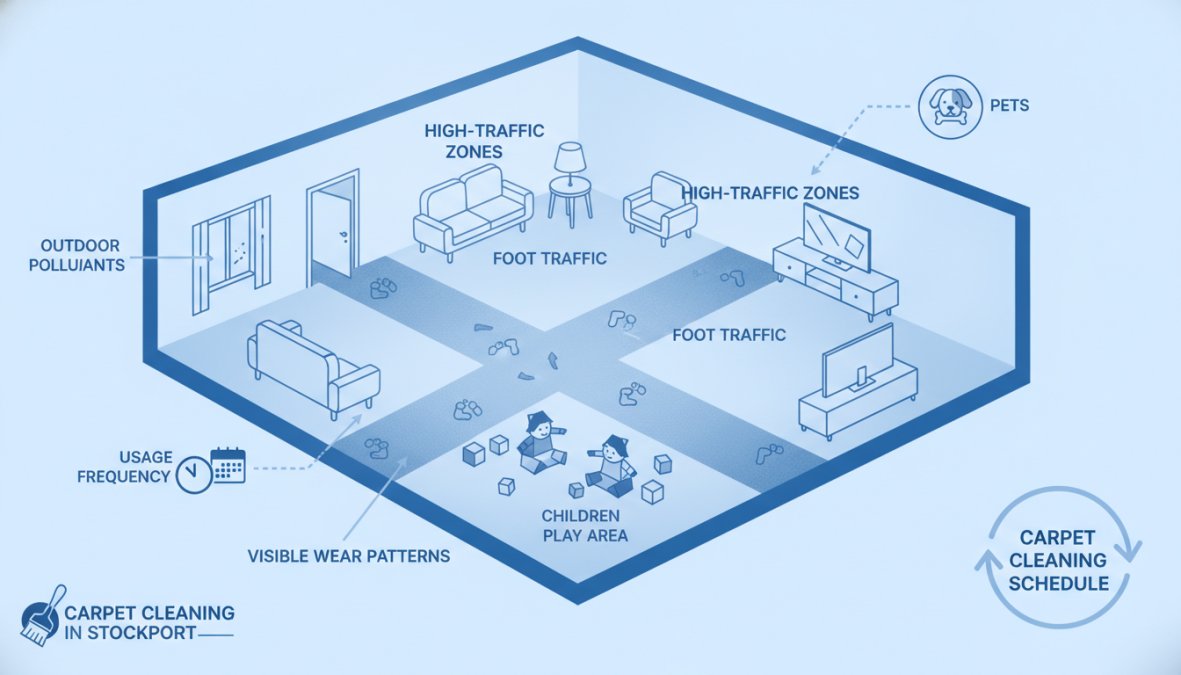
Foot traffic is the single most influential factor determining carpet cleaning frequency. Entryways, hallways, living rooms, and stairs accumulate soil exponentially faster than low-traffic zones. Soil particles ground into carpet fibers through repeated footsteps create visible wear patterns within months if not cleaned regularly.
High-traffic corridors often require cleaning every 3 to 4 months, while low-traffic rooms might go 24 months between professional cleanings. Soil reaching the padding layer causes the carpet to lose cushioning and resilience. Professional hot water extraction removes embedded soil before it damages the padding, extending the carpet’s functional lifespan significantly.
Pets, allergens, and dust mites
Pet ownership fundamentally changes carpet cleaning requirements. Dogs and cats introduce dirt, dander, urine accidents, and odor-causing bacteria. A household with one dog typically needs professional cleaning every 6 to 12 months; multiple pets often require cleaning every 3 to 6 months.
Pet urine penetrates through carpet fibers into the padding, where bacteria colonies develop and generate persistent odors. Professional hot water extraction reaches the padding layer and removes both the urine and bacterial growth. Without professional treatment, pet stains resurface repeatedly.
Dust mites thrive in carpet fibers, feeding on dead skin cells. Their waste products trigger allergic reactions and asthma symptoms. Professional deep cleaning removes dust mites and their allergen-laden waste, though populations reestablish within weeks. Allergy-prone households benefit from cleaning every 6 to 8 months to maintain lower allergen levels.
Carpet material and resilience
Different carpet fibers respond differently to soil accumulation. Wool carpets require gentler cleaning methods and typically benefit from professional service every 12 to 18 months. Synthetic fibers like polyester and nylon are more resilient and can tolerate cleaning as frequently as every 6 months without damage.
Low-pile commercial carpets hide soil less effectively than high-pile residential carpets, meaning visible soiling appears sooner. Premium carpets with tight weaves resist soil penetration better than budget-grade alternatives, potentially extending cleaning intervals by 3 to 6 months.
Professional Carpet Cleaning Frequency vs DIY Methods
The choice between professional service and DIY rental machines involves trade-offs between cost, effectiveness, and convenience.
Hot water extraction and deep cleaning benefits
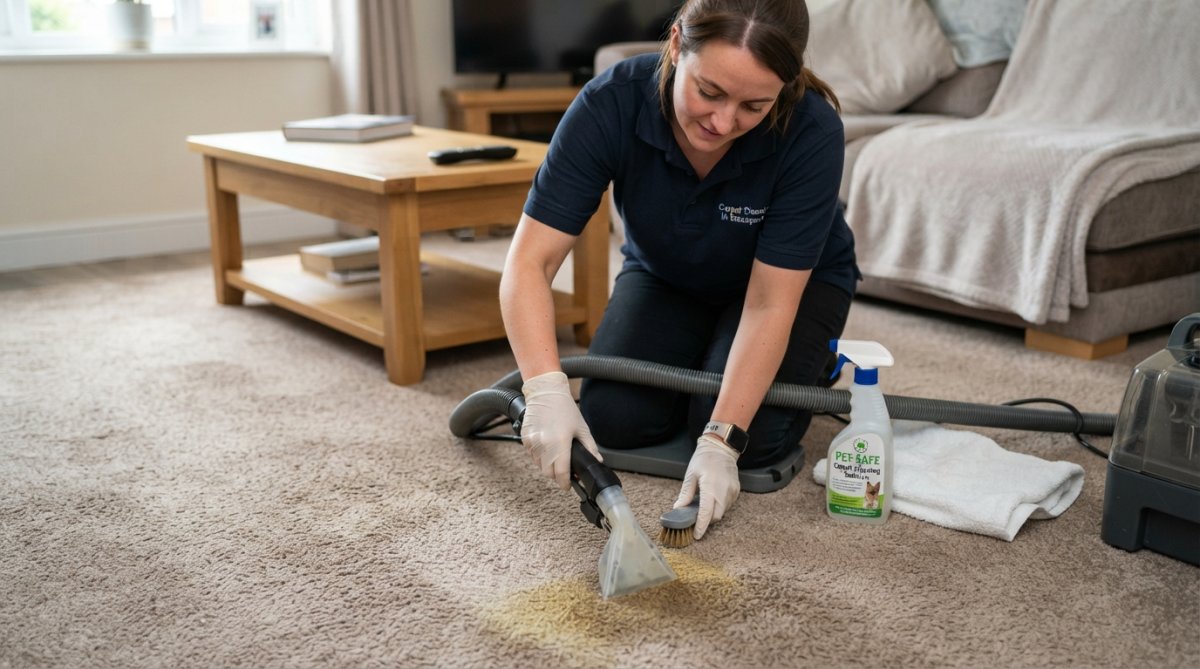
Professional hot water extraction combines heated water (typically 200-250°F), pressurized injection, and powerful extraction that removes moisture and embedded soil simultaneously. This reaches soil particles ground deep into carpet fibers and padding, areas that surface cleaning cannot access.
Professional equipment operates at pressures around 500-800 psi; rental machines typically max out at 200-300 psi. This difference translates directly to cleaning effectiveness. Professional equipment removes more soil, bacteria, and allergens in a single pass than rental machines achieve through multiple passes.
Professional hot water extraction removes allergens, bacteria, and odor-causing compounds that surface cleaning leaves behind. Households with allergy sufferers or pet odor problems see measurable health improvements after professional deep cleaning.
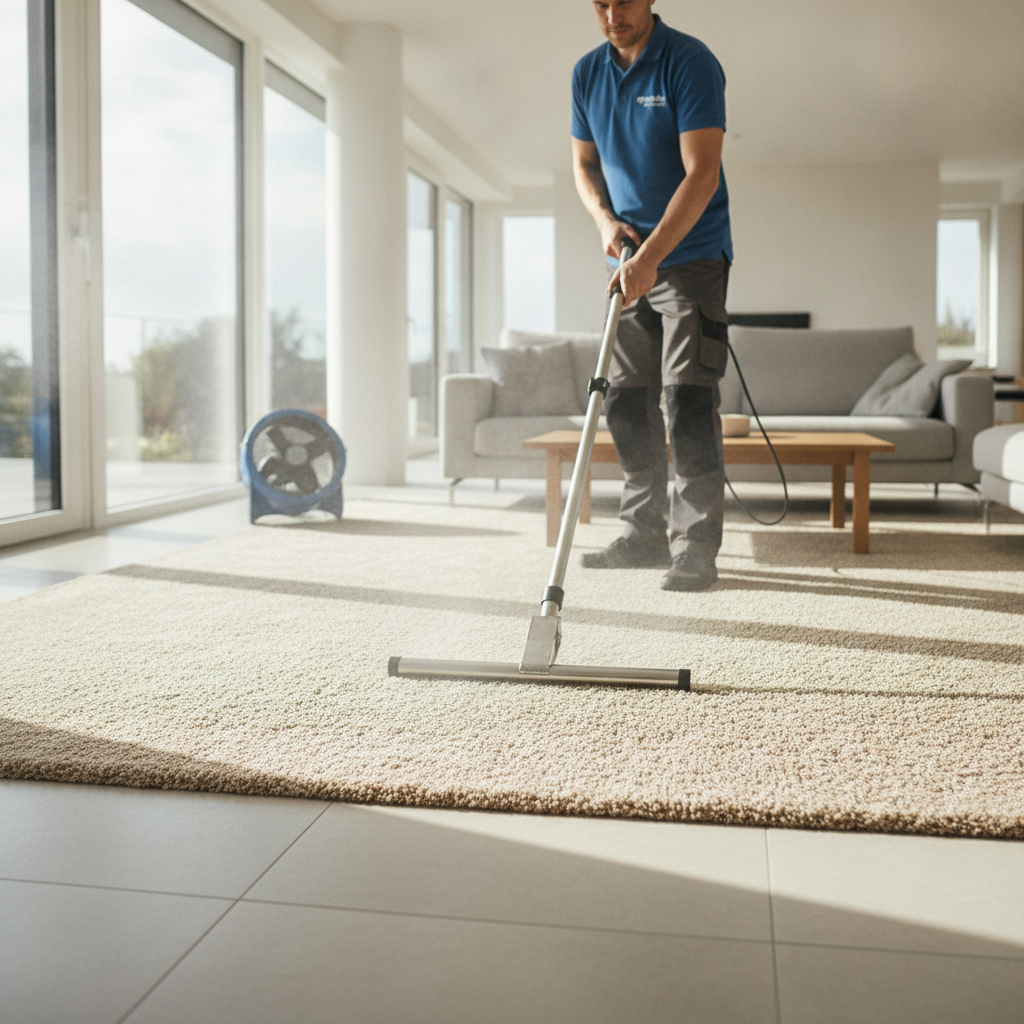
Professional hot water extraction dries faster than DIY methods because commercial equipment extracts more moisture in the initial cleaning phase. [Fast drying times](/2026/07/17/how-to-dry-carpets-quickly-after-cleaning/) prevent mildew growth and allow faster return to normal carpet use.
DIY rental machines and cost-benefit analysis
DIY carpet cleaning appeals to budget-conscious households. Rental machines cost between £30 and £80 for a day’s use, substantially lower than professional service. However, DIY effectiveness limitations become apparent quickly.
Rental machines lack the heating capacity and pressure of professional equipment, resulting in incomplete soil removal and slower drying times. Carpets often remain damp for 12-24 hours after DIY cleaning, creating conditions where mildew and odors develop. Additionally, DIY cleaning leaves residual cleaning solution in the carpet, a sticky residue that accelerates re-soiling by attracting dirt particles.
The physical labor involved also matters. Pushing a heavy extraction machine across multiple rooms requires significant effort, particularly for elderly individuals or those with mobility limitations. For comprehensive deep cleaning, professional service delivers superior results that justify the cost difference for most households.
DIY rental machines often leave sticky residue that makes carpets re-soil faster than before cleaning. This creates a false economy where you spend money on cleaning but end up with dirtier carpets within weeks.
Carpet Cleaning for Allergies and Health-Based Schedules
Households with allergy sufferers or asthma patients should base their carpet cleaning frequency on health needs rather than aesthetic appearance alone.
Dust mites and their waste products trigger allergic reactions in approximately 10% of the population and worsen symptoms in 80% of people with asthma. Professional deep cleaning temporarily reduces dust mite populations by 95% or more. However, they reestablish within 2-4 weeks as new mites migrate into the carpet.
Allergy-prone households typically benefit from professional cleaning every 6 to 8 weeks for maximum symptom relief. This frequency maintains lower dust mite populations continuously, reducing allergen exposure year-round. Combined with weekly vacuuming using HEPA-filter equipped machines, this approach substantially improves indoor air quality.
Pet-allergic households often require cleaning every 4 to 6 weeks to maintain manageable allergen levels. The investment in frequent professional cleaning for health reasons often proves cost-effective when compared to medical expenses and reduced quality of life from poorly controlled allergies.
Professional Carpet Cleaning Frequency: Warranty and Maintenance
Carpet manufacturer warranties often include specific cleaning requirements that directly affect warranty coverage and validity.
Carpet manufacturer warranty requirements
Most carpet manufacturers require professional cleaning every 12 to 18 months as a condition of warranty coverage. Some premium carpet warranties specify hot water extraction as the required cleaning method. Failure to meet these cleaning requirements can void warranty coverage, leaving you responsible for replacement costs if premature wear occurs.
Manufacturers include these requirements because they’ve established that regular professional cleaning prevents premature degradation. Different carpet types carry different warranty requirements. Commercial-grade carpets often require cleaning every 6 months; residential carpets typically require 12 to 18 month intervals. Reading your specific carpet’s warranty documentation is essential before establishing your cleaning schedule.
Warranty-specific maintenance logs
Maintaining documentation of professional cleaning services protects your warranty coverage and proves compliance with manufacturer requirements. Each professional cleaning should include a receipt noting the date, cleaning method, and service provider.
Creating a simple spreadsheet or calendar tracking cleaning dates prevents accidental warranty violations. Carpet Cleaning In Stockport provides detailed receipts for every service that explicitly document the cleaning method used, making it simple to maintain warranty compliance records.
Carpet Maintenance Tips to Extend Your Carpet Life
Cleaning frequency matters, but the habits between professional cleanings influence carpet lifespan equally.
Vacuuming frequency and spot cleaning routines
Weekly vacuuming in low-traffic areas and twice-weekly vacuuming in high-traffic zones prevents soil from grinding into carpet fibers. Regular light vacuuming removes surface soil before it penetrates deeper, reducing the burden on your carpet and extending the interval between professional cleanings.
Spot cleaning fresh spills immediately prevents permanent staining. Blot (don’t rub) spills with clean white cloths, working from the edges toward the center. For fresh spills, cold water often suffices; for set-in stains, professional intervention becomes necessary.
A common mistake is using excessive water when spot cleaning. Over-wetting the carpet drives moisture into the padding, where it can promote mildew growth and odors. Use just enough moisture to dampen the stain, then blot thoroughly.
Keep a small spray bottle of cold water and white cloths near high-risk spill areas. Immediate spot treatment prevents 80% of permanent stains from setting.
Preventing soil buildup and stain removal strategies
Entry mats at exterior doors capture soil before it reaches carpet, reducing the amount of dirt tracked into your home. Encouraging household members to remove shoes indoors or wear indoor-only slippers prevents outdoor soil from reaching carpet at all.
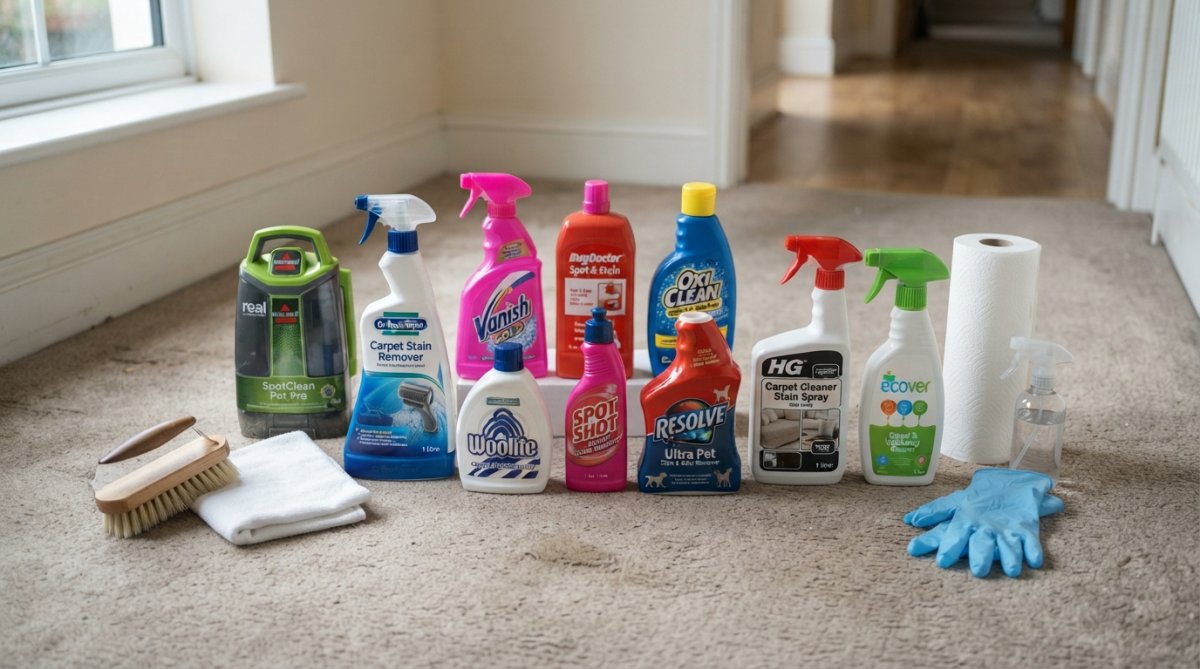
For existing stains, professional treatment works better than DIY attempts in most cases. Professional cleaners have access to specialized solvents and techniques that address different stain types. Applying the wrong solution to a stain can set it permanently, making professional removal impossible afterward.
How to Extend Carpet Life Through Strategic Cleaning
Strategic cleaning, matching frequency to actual usage patterns and addressing problems proactively, extends carpet life by years compared to reactive approaches.
Implementing a maintenance schedule tied to your household’s specific characteristics prevents both premature wear and unnecessary cleaning expenses. High-traffic households benefit from quarterly professional cleaning; average households from semi-annual service; low-traffic spaces from annual or biennial cleaning.
Combining professional deep cleaning with consistent vacuuming, immediate spot treatment, and soil prevention measures creates a comprehensive carpet care system. A quality residential carpet costs £2,000 to £5,000 installed. Professional cleaning at £150-300 per service, performed strategically 1-2 times yearly, costs £150-600 annually, a fraction of replacement cost. This maintenance investment extends carpet life from the typical 5-7 years to 10-15 years or longer.
Signs Your Carpet Needs Cleaning Sooner
Certain conditions indicate that your carpet requires professional cleaning before your scheduled interval arrives.
Visible staining that doesn’t respond to spot cleaning signals embedded soil or set-in stains requiring professional treatment. Professional hot water extraction often successfully removes stains that appear permanent to untrained eyes.
Persistent odors, particularly pet-related smells that don’t dissipate after vacuuming, indicate bacterial growth in carpet fibers and padding. Professional hot water extraction removes both the bacteria and their waste products, providing lasting odor elimination.
Visible soil accumulation or dulling of carpet appearance indicates that soil has built up significantly in the fibers. Increased allergy symptoms or asthma flare-ups in household members suggest dust mite or allergen accumulation requiring professional cleaning.
Carpet that feels sticky or gritty underfoot after DIY cleaning indicates residual cleaning solution buildup. Professional cleaning removes this residue completely, restoring normal carpet feel and preventing accelerated re-soiling.
How often should carpets be cleaned ultimately depends on your specific household circumstances rather than a universal rule. Most households benefit from professional deep cleaning every 12 to 18 months, combined with consistent vacuuming and immediate spot treatment. Households with high traffic, pets, or allergy concerns require more frequent professional service, potentially every 3 to 6 months.
At Carpet Cleaning In Stockport, our experienced technicians assess your specific situation and recommend a customized cleaning schedule that matches your carpet type, household composition, and health needs. We use advanced hot water extraction equipment and family-friendly, pet-safe cleaning solutions that remove dirt, stains, bacteria, and allergens while restoring your carpets to their original quality.
| Household Type | Traffic Level | Pets | Recommended Frequency | Annual Cost Range |
|---|---|---|---|---|
| Single occupant | Low | None | Every 18-24 months | £75-150 |
| Couple | Moderate | None | Every 12-18 months | £150-300 |
| Family (2-3 kids) | High | None | Every 6-12 months | £300-600 |
| Any household | Any | 1-2 pets | Every 6-12 months | £300-600 |
| Any household | Any | 3+ pets | Every 3-6 months | £600-1200 |
| Allergy-prone household | Any | Any | Every 6-8 weeks | £900-1560 |
Understanding how often carpets need professional cleaning requires balancing multiple factors: foot traffic patterns, pet presence, carpet material, manufacturer requirements, and household health concerns. Rather than following generic advice, assess your specific situation honestly and adjust accordingly.
The investment in professional carpet cleaning at appropriate intervals protects your flooring investment, maintains indoor air quality, and extends carpet lifespan significantly. According to research from The Carpet and Rug Institute, carpets maintained with regular professional cleaning last substantially longer than neglected alternatives.
Professional services from industry cleaning standards and best practices emphasize hot water extraction as the most effective deep cleaning method available to consumers. Carpet Cleaning In Stockport employs this proven approach with advanced equipment and family-friendly, pet-safe solutions designed to remove dirt, stains, bacteria, and allergens while restoring carpets to original quality. Our technicians provide same-day service availability and fast drying times, minimizing household disruption.
Get started with Carpet Cleaning In Stockport today to establish a professional cleaning schedule tailored to your home’s specific needs and protect your carpet investment for years to come.
Frequently Asked Questions
How often should carpets be professionally cleaned?
Most households benefit from professional deep cleaning every 12-18 months. However, homes with pets, children, or high foot traffic may need professional cleaning every 6-12 months. Carpet manufacturers often recommend professional cleaning at least once annually to maintain warranty coverage. Factors like carpet material, indoor air quality concerns, and soil accumulation should guide your specific schedule.
How does professional carpet cleaning differ from DIY rental machines?
Professional carpet cleaning typically uses hot water extraction and industrial-grade equipment that removes deeper soil buildup and allergens more effectively than DIY machines. Professional technicians have expertise in handling different carpet fibers and stain types. While DIY rental machines offer convenience and lower upfront costs, they often leave sticky residue and moisture that can lead to faster re-soiling and mildew odors. Professional services typically dry faster and provide longer-lasting results.
Does carpet cleaning frequency affect my carpet warranty?
Yes, carpet manufacturer warranty requirements often mandate regular professional cleaning, typically annually or every 12-18 months. Failing to maintain a warranty-specific maintenance log could void your coverage. Check your carpet manufacturer's documentation for exact requirements. Maintaining detailed records of professional cleaning dates helps protect your warranty claim if damage occurs.
How often should I clean carpets if I have pets or allergies?
Homes with pets should consider professional cleaning every 6-12 months due to pet dander, urine residue, and odor buildup. For allergy sufferers, a health-based cleaning schedule of every 4-8 weeks for vacuuming and every 6 months for deep professional cleaning can significantly reduce dust mites and allergens. Hot water extraction is particularly effective at removing pet-related allergens and bacteria that vacuuming alone cannot eliminate.
This article was written using GrandRanker