Table of Contents
- Why Carpets Are a Magnet for Allergens
- Best Carpet Cleaning Methods for Allergies: Quick Comparison
- Hot Water Extraction (Steam Cleaning) for Deep Allergen Removal
- HEPA Vacuuming: Your First Line of Defense
- Dry Carpet Cleaning Methods: Low-Moisture & Chemical-Free Options
- Tailored Cleaning Strategies by Allergy Type
- Cost Comparison: DIY vs. Professional Carpet Cleaning
- Humidity Control & Air Purification: Complementary Allergy Solutions
Best Carpet Cleaning Methods for Allergies: 2026 Guide
Last Updated: July 22, 2026
When dust mites, pet dander, and pollen accumulate in carpet fibers, they trigger allergic reactions affecting millions of households. According to American Academy of Allergy, Asthma & Immunology research, carpeted homes harbor significantly higher allergen concentrations than hard-floored spaces. Understanding the best carpet cleaning methods for allergies is essential for creating a healthier indoor environment. Below, we’ll show you exactly how to eliminate embedded allergens, which methods work best for different allergy types, and what separates professional results from DIY attempts.
Why Carpets Are a Magnet for Allergens
Your carpet is essentially a filter that traps everything airborne. Dust mites thrive in warm, humid fibers, pet dander clings with remarkable persistence, pollen settles deep where vacuums can’t reach, and mold spores colonize damp carpet backing. Standard vacuuming only removes surface debris, allergens embedded 2-3 inches into the pile remain untouched, continuing to circulate through your home’s air. This is why people with allergies often report immediate symptom improvement after professional deep cleaning.
Understanding Common Carpet Allergens: Dust Mites, Pet Dander, Pollen & Mold
Dust mites are microscopic arachnids thriving in warm, humid environments. A single gram of carpet dust can contain thousands of dust mites and their fecal matter, which is the actual allergen. Dust mite allergies cause year-round symptoms because indoor carpets provide ideal breeding conditions.
Pet dander consists of tiny skin flakes shed by dogs and cats. Unlike visible pet hair, dander is nearly invisible and becomes airborne easily. Pet owners often notice symptoms worsen during spring and fall when shedding increases.
Pollen enters homes on clothing and shoes. Once it lands on carpet, it’s remarkably difficult to remove without specialized cleaning. Seasonal allergy sufferers find that outdoor pollen tracked inside triggers indoor symptoms for weeks.
Mold spores develop in carpet exposed to moisture or high humidity. Basement carpets and homes in humid climates are particularly vulnerable. Mold allergies often cause respiratory symptoms beyond typical allergic rhinitis.
Best Carpet Cleaning Methods for Allergies: Quick Comparison
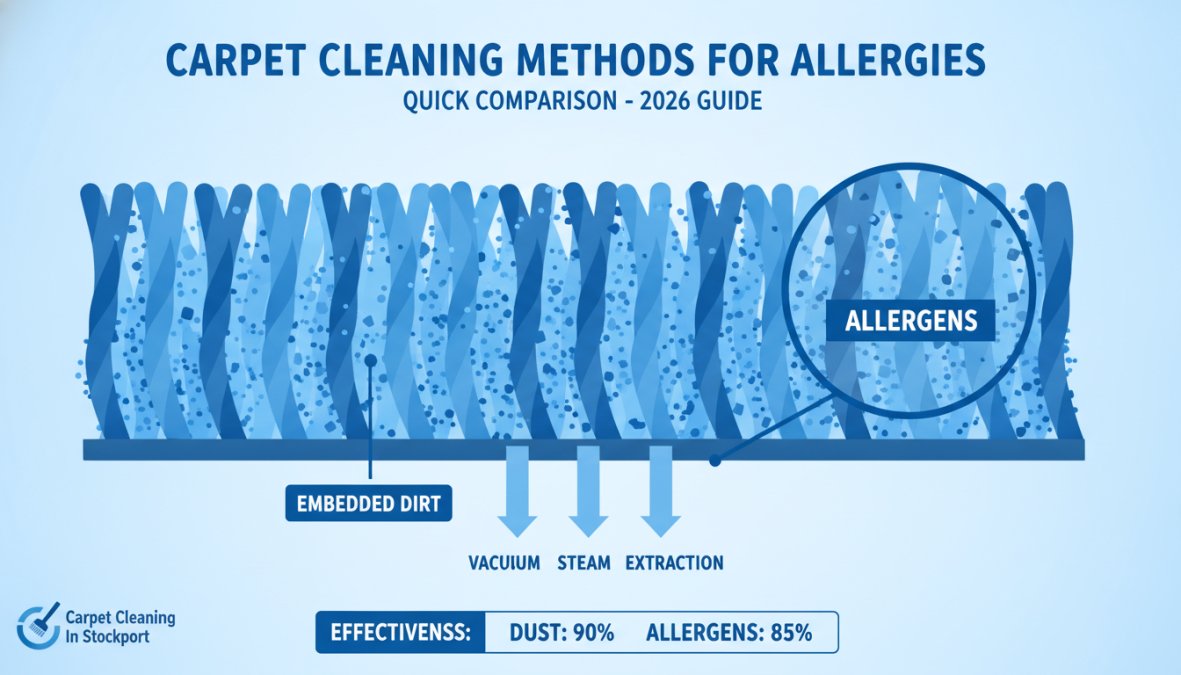
The best carpet cleaning methods for allergies fall into three categories: wet extraction (steam cleaning), dry cleaning, and regular HEPA vacuuming. Each method targets allergens differently, and the right choice depends on your carpet type, allergy severity, and budget.
| Cleaning Method | Drying Time | Best For | Allergen Removal | Cost |
|---|---|---|---|---|
| Hot Water Extraction | 24-48 hours | Deep allergen removal | Excellent | $$$$ |
| Dry Carpet Cleaning | 1-2 hours | Quick allergen control | Very Good | $$$ |
| HEPA Vacuuming | N/A | Weekly maintenance | Good | $ |
| Encapsulation | 4-6 hours | Pet dander, dust | Very Good | $$$ |
| Bonnet Cleaning | 2-3 hours | Surface allergens only | Fair | $$ |
Professional carpet cleaning removes allergens that DIY methods miss. Research from Indoor Air Quality Association standards shows that professional deep cleaning reduces allergen levels by 85-95% when performed with proper equipment and techniques.
Hot Water Extraction (Steam Cleaning) for Deep Allergen Removal
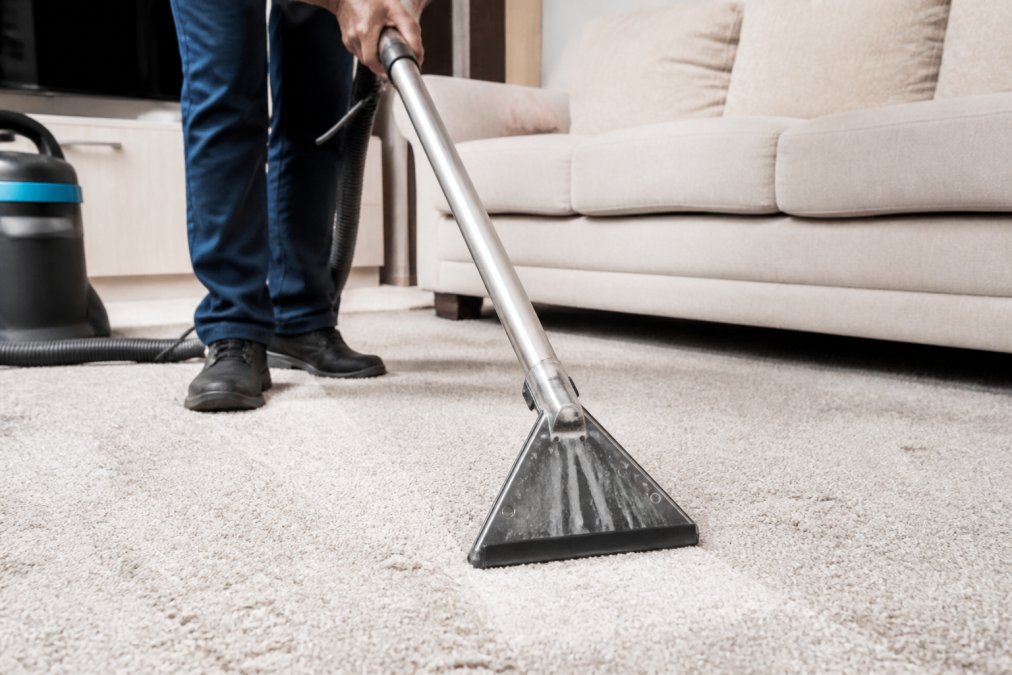
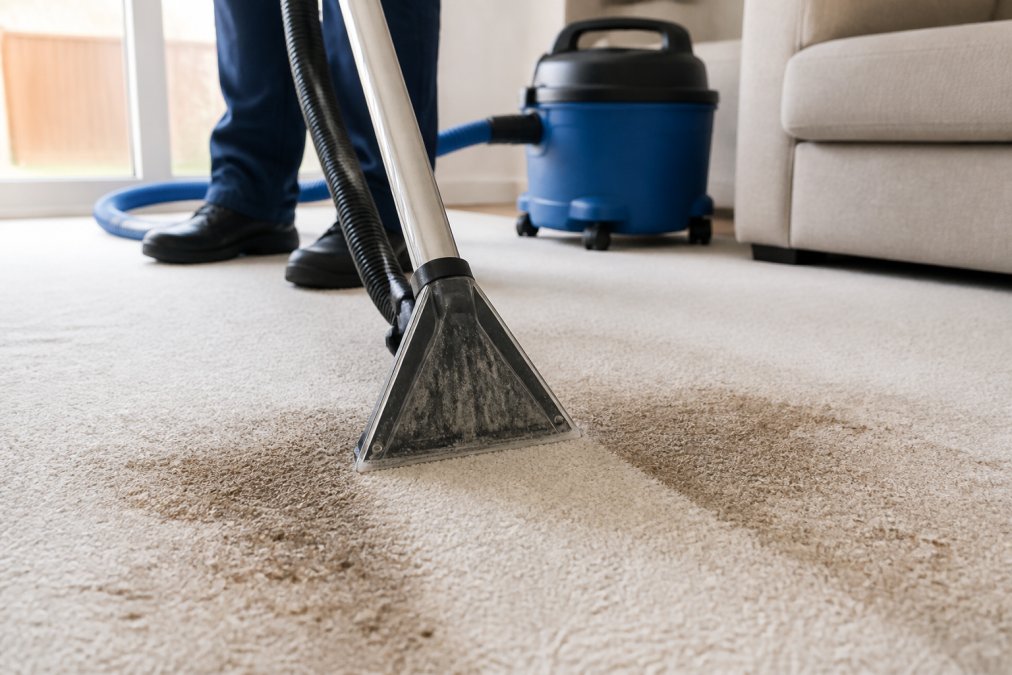
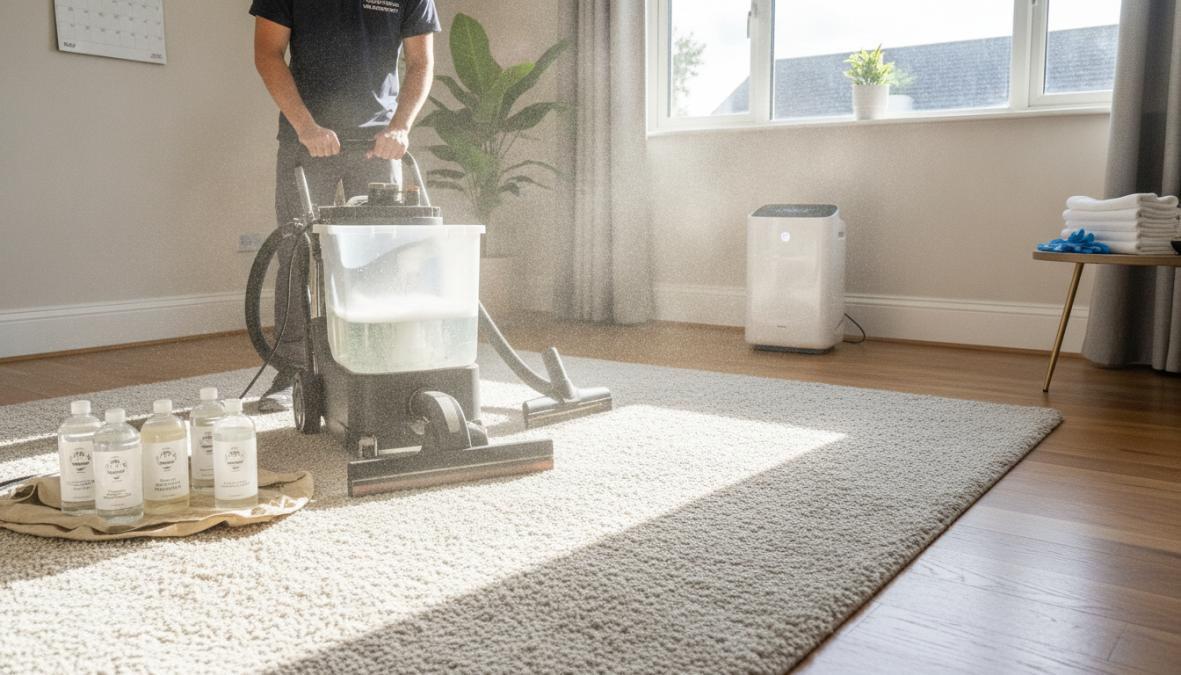
Hot water extraction remains the gold standard for allergen removal because it combines heat, moisture, and powerful suction to dislodge and extract deeply embedded particles. The process sprays hot water mixed with cleaning solution into carpet fibers at high pressure, then immediately extracts the solution along with suspended dirt, allergens, and debris.
How It Works & Why It’s Effective for Allergies
The cleaning solution breaks down the bond between allergens and carpet fibers. Heat activates cleaning agents and helps dissolve dust mite fecal matter. The extraction phase removes up to 90% of moisture, which is critical because residual moisture encourages mold growth and dust mite reproduction. For dust mite allergies, hot water extraction at temperatures above 130°F kills some dust mites on contact and removes the fecal matter triggering allergic reactions. For pet dander allergies, the solution breaks down the protein structure of dander, making it easier to extract.
Schedule hot water extraction during low-humidity seasons when carpets dry faster. High humidity can extend drying time to 48+ hours, increasing mold risk.
Pros, Cons & Drying Time Considerations
Hot water extraction delivers the most thorough allergen removal available and is effective on all carpet types. Most people notice immediate symptom improvement after professional cleaning.
The primary drawback is drying time. Carpets typically require 24-48 hours to dry completely, during which they remain slightly damp. In humid climates, this creates conditions where mold and dust mites can re-establish themselves. Lower-quality cleaning solutions can leave sticky buildup that attracts dirt and allergens more rapidly. Hypoallergenic, fragrance-free solutions like BISSELL Clean + Allergen Formula are specifically formulated to avoid triggering sensitivities while removing allergens effectively.
Hot water extraction is most effective for dust mite and mold allergies because the heat and moisture extraction directly address the conditions these allergens thrive in.
HEPA Vacuuming: Your First Line of Defense
HEPA filtration captures particles as small as 0.3 micrometers, small enough to trap dust mite fecal matter and pollen that standard vacuum filters allow to escape. A true HEPA filter removes 99.97% of particles, which is why allergists consistently recommend HEPA-equipped vacuums as essential allergen management tools.
Why Regular HEPA Filtration Matters for Respiratory Health
Without HEPA filtration, conventional vacuums worsen allergies by stirring up fine particles and releasing them into the air. Weekly HEPA vacuuming prevents allergen buildup between deep cleanings. Dust mites reproduce every 10-14 days, so vacuuming at least twice weekly targets the population before it explodes. For pet owners, daily HEPA vacuuming significantly reduces dander accumulation.
The sealed system design is equally important. Premium vacuums like the Miele Complete C3 Calima use sealed motors and ductwork to prevent unfiltered air from bypassing the HEPA filter.
Vacuum Types: Upright vs. Canister vs. Robot Vacuums
Upright vacuums like the Dyson V15 Detect Absolute offer strong suction and convenience. The laser detection feature reveals microscopic dust, helping identify high-allergen areas.
Canister vacuums like the Miele Complete C3 Calima deliver superior HEPA filtration and sealed systems. They excel at cleaning stairs, upholstery, and hard-to-reach areas.
Robot vacuums like the Roborock S8 Pro Ultra provide hands-free allergen management. They’re ideal for maintenance between deep cleanings, though they can’t match the suction power of upright or canister models. The self-emptying dock is particularly useful for allergy sufferers who want to minimize direct contact with dust.
Never use a standard vacuum without HEPA filtration if you have dust mite or pollen allergies, you’re redistributing allergens rather than removing them.
Dry Carpet Cleaning Methods: Low-Moisture & Chemical-Free Options
Dry cleaning methods use minimal water, eliminating drying time problems and preventing mold re-establishment. These methods apply a specialized compound to the carpet, allowing it to absorb dirt and allergens, then extract the compound along with trapped particles.
Plant-Based Dry Extraction & Encapsulation Technology
HOST Dry Carpet Cleaner uses a 100% plant-based, Green Seal Certified compound that absorbs allergens without water. Encapsulation technology uses polymers that surround and encapsulate dirt particles and allergens. As the solution dries, it hardens around the particles, making them easy to vacuum away.
Both methods dry in 1-2 hours, making them ideal for homes where extended drying times aren’t feasible. The low-moisture approach also prevents mold growth and dust mite re-establishment. For households with chemical sensitivities, plant-based dry cleaning offers a safer alternative to traditional steam cleaning solutions.
Dry methods work best on lightly to moderately soiled carpets. Heavily soiled areas may require hot water extraction for complete allergen removal.
Step-by-Step DIY Dry Cleaning Instructions
-
Vacuum thoroughly – Use a HEPA vacuum to remove all surface dirt and allergens.
-
Test on hidden area – Apply the dry cleaning compound to a small, inconspicuous section to ensure it doesn’t discolor your carpet.
-
Apply the compound – Sprinkle or spray the HOST or similar compound evenly across the carpet, following product instructions for coverage rate.
-
Work it in – Use an orbital machine to work the compound into carpet fibers. Make overlapping passes to ensure complete coverage (15-20 minutes for a typical room).
-
Wait – Allow the compound to sit for 15-30 minutes so it can absorb allergens and dirt fully.
-
Extract – Run the machine over the carpet again to extract the compound. Make multiple passes until the carpet feels dry.
-
Vacuum – Once dry, vacuum thoroughly to remove any remaining compound residue.
-
Ventilate – Open windows and run ceiling fans for at least 1 hour to allow moisture to evaporate completely.
The entire process takes 60-90 minutes for a typical bedroom or living room. Results are noticeable immediately, with allergic individuals often reporting reduced symptoms within hours.
Dry cleaning works best on carpets that are cleaned regularly. If your carpet hasn’t been deep cleaned in over a year, hot water extraction will deliver better results initially.
Tailored Cleaning Strategies by Allergy Type
Different allergens require different cleaning approaches. Understanding which allergen triggers your symptoms helps you choose the most effective method and maintenance schedule.
Dust Mite Allergies vs. Pet Dander vs. Pollen: Different Approaches
Dust mite allergies respond best to frequent HEPA vacuuming combined with regular hot water extraction. Maintenance vacuuming twice weekly prevents population rebound. Consider using a dehumidifier to keep humidity below 50%, which slows dust mite reproduction.
Pet dander allergies improve dramatically with hot water extraction because the heat and solution break down the protein structure of dander. Pet owners need more frequent maintenance, weekly HEPA vacuuming is essential because dander accumulates rapidly.
Pollen allergies benefit from aggressive HEPA vacuuming during high-pollen seasons. A robot vacuum running daily during spring and fall can significantly reduce pollen accumulation. Using a no-shoes-indoors policy dramatically reduces pollen tracked into the home.
Mold allergies require attention to humidity and moisture control. Keep humidity below 50%, ensure proper ventilation, and consider professional cleaning every 6-8 months in humid climates.
Cost Comparison: DIY vs. Professional Carpet Cleaning
Understanding the true cost of each method helps you make informed decisions about cleaning frequency and method selection.
Budget Breakdown: Machine Rental, Cleaning Solutions & Professional Services
DIY hot water extraction using a rental machine costs approximately $60-100 per room. DIY dry cleaning runs $45-80 per room. HEPA vacuum investment ranges from $300 (budget models) to $1,500+ for premium sealed-system vacuums. The Dyson V15 Detect Absolute ($849.99) and Miele Complete C3 Calima ($799-839) represent mid-range investments with excellent allergen removal performance.
Professional cleaning 2-3 times yearly combined with weekly HEPA vacuuming delivers the best allergen control. This hybrid approach costs less than frequent DIY attempts while maintaining superior results.
Professional cleaning 2-3 times annually combined with regular HEPA vacuuming provides better allergen control than frequent DIY attempts and often costs less when you factor in equipment rental and solution expenses.
Humidity Control & Air Purification: Complementary Allergy Solutions
Carpet cleaning alone isn’t sufficient for complete allergen control. Humidity management and air purification address allergens in the air and prevent re-establishment of dust mites and mold.
Preventing Mold Spores & Maintaining Indoor Air Quality
Maintaining humidity between 30-50% dramatically slows dust mite reproduction and prevents mold growth. A dehumidifier in basements or humid climates is essential for allergy sufferers. Air purifiers with HEPA filters capture airborne allergens that vacuuming and carpet cleaning miss. Running an air purifier continuously in your bedroom reduces nighttime allergy symptoms significantly.
Ventilation is equally important. Open windows during low-pollen times to exchange indoor air. Use exhaust fans in bathrooms to prevent moisture accumulation. Ensure your HVAC system has a clean filter; many people upgrade to MERV 13 or higher filters for better allergen capture.
The combination of clean carpets, controlled humidity, and air purification creates an indoor environment where allergen levels remain low consistently.
Living with carpet allergies doesn’t mean accepting constant symptoms. The cleaning methods available in 2026 are more effective than ever. Professional services have evolved to address allergen concerns with specialized equipment and hypoallergenic solutions. At Carpet Cleaning In Stockport, we understand that allergen removal requires deep extraction, proper drying, and follow-up maintenance. Our family-friendly and pet-safe cleaning solutions remove dirt, stains, bacteria, and allergens while creating the healthier home environment you deserve. Contact Carpet Cleaning In Stockport to schedule a professional deep cleaning and discover how much your allergy symptoms can improve with expert allergen removal.
Frequently Asked Questions
What's the difference between surface cleaning and deep cleaning for allergies?
Surface cleaning (like vacuuming alone) removes visible dirt and debris from carpet fibers, but doesn't eliminate trapped allergens like dust mites, pet dander, and mold spores embedded deep in the pile. Deep cleaning methods such as hot water extraction or professional dry cleaning penetrate the carpet base to remove hidden contaminants that cause respiratory symptoms and allergic reactions. For allergy sufferers, deep cleaning is essential because allergens accumulate far below the surface where regular vacuuming cannot reach.
How often should I deep clean my carpet if I have allergies?
Most allergists recommend deep cleaning carpets every 6-12 months for allergy sufferers, with more frequent cleaning if you have pets or severe dust mite allergies. Regular HEPA vacuuming (2-3 times weekly) between deep cleans helps maintain allergen levels. High-traffic areas and homes with multiple pets may benefit from quarterly professional cleaning. The frequency depends on your specific allergy triggers, pet dander allergies may require more frequent cleaning than pollen-related allergies, especially during high pollen seasons.
Are dry carpet cleaning methods as effective as hot water extraction for removing allergens?
Dry carpet cleaning methods using plant-based, low-moisture compounds can be very effective for allergen removal, with the added benefit of faster drying times and no moisture-related mold growth. However, hot water extraction (steam cleaning) typically provides more thorough penetration into carpet fibers and is often preferred for heavily soiled carpets or severe dust mite infestations. The best choice depends on your carpet type, allergy severity, and drying time constraints. Many allergy sufferers benefit from alternating between methods or using dry cleaning for maintenance and steam cleaning for deep cleaning.
Can professional carpet cleaning actually remove pet odors permanently, or will they return?
Professional deep cleaning can significantly reduce or eliminate pet odors by removing urine deposits, bacteria, and organic matter trapped in carpet fibers and padding. However, if urine has saturated the padding or subfloor, odors may return unless the underlying source is addressed. Professional services using advanced extraction equipment and enzyme-based treatments are far more effective than DIY methods at preventing odor recurrence. To ensure lasting results, address pet accidents promptly, use enzymatic treatments on fresh stains, and maintain regular cleaning schedules. Some professionals offer odor-elimination guarantees.
What should I look for in hypoallergenic cleaning products to avoid triggering allergies?
Look for cleaning solutions that are fragrance-free, non-toxic, and free from volatile organic compounds (VOCs) and chemical residue. Hypoallergenic products should be Green Seal Certified or similarly verified. Avoid products with strong perfumes, ammonia, or bleach, which can irritate airways and trigger asthma symptoms. Plant-based, biodegradable cleaners are often safer for allergy sufferers. Always check labels for 'safe for children and pets,' and consider patch-testing on a hidden carpet area first. Professional services using family-friendly and pet-safe solutions are a reliable option if you're sensitive to cleaning chemicals.
How can I reduce allergens between professional carpet cleanings?
Combine multiple strategies: vacuum with a HEPA filter 2-3 times weekly, use air purifiers with HEPA filtration in bedrooms and living areas, maintain humidity below 50% to prevent dust mites and mold, place area rugs in high-traffic zones for easier cleaning, enforce a no-shoes policy indoors, and wash HVAC filters monthly. Dehumidifiers help control moisture, reducing mold spore growth. Consider removing or replacing carpets in bedrooms with hard flooring if allergies are severe. Regular preventative maintenance significantly extends the effectiveness of professional deep cleaning and reduces overall allergen levels in your home.
Is it worth investing in a high-end HEPA vacuum if I also hire professional cleaners?
Yes. While professional deep cleaning removes embedded allergens, a quality HEPA vacuum is essential for ongoing maintenance between professional services. High-end models like those with sealed systems and whole-machine HEPA filtration capture 99.97% of particles as small as 0.3 micrometers, preventing allergens from being recirculated into the air. Regular HEPA vacuuming (2-3 times weekly) significantly extends the benefits of professional cleaning and helps maintain lower allergen levels year-round. For allergy sufferers, the combination of regular HEPA vacuuming and periodic professional deep cleaning is far more effective than either method alone.
This article was written using GrandRanker