Table of Contents
- Understanding Different Carpet Cleaning Methods
- Professional Hot Water Extraction Benefits
- Dry Carpet Cleaning vs. Steam Cleaning: Which Works Better
- How to Remove Stubborn Carpet Stains: Methods That Work
- Carpet Cleaning Drying Time: Why It Matters
- DIY vs. Professional Cleaning: What You Need to Know
- Maintaining Your Carpet Between Professional Cleans
- Frequently Asked Questions
Understanding Different Carpet Cleaning Methods
Carpet cleaning methods vary dramatically in their approach, effectiveness, and suitability for different situations. The core distinction lies in how moisture is applied and extracted, and whether chemical treatments are involved. Understanding these differences is crucial because the wrong method can leave your carpet damaged, oversaturated, or ineffective at removing embedded dirt and allergens.
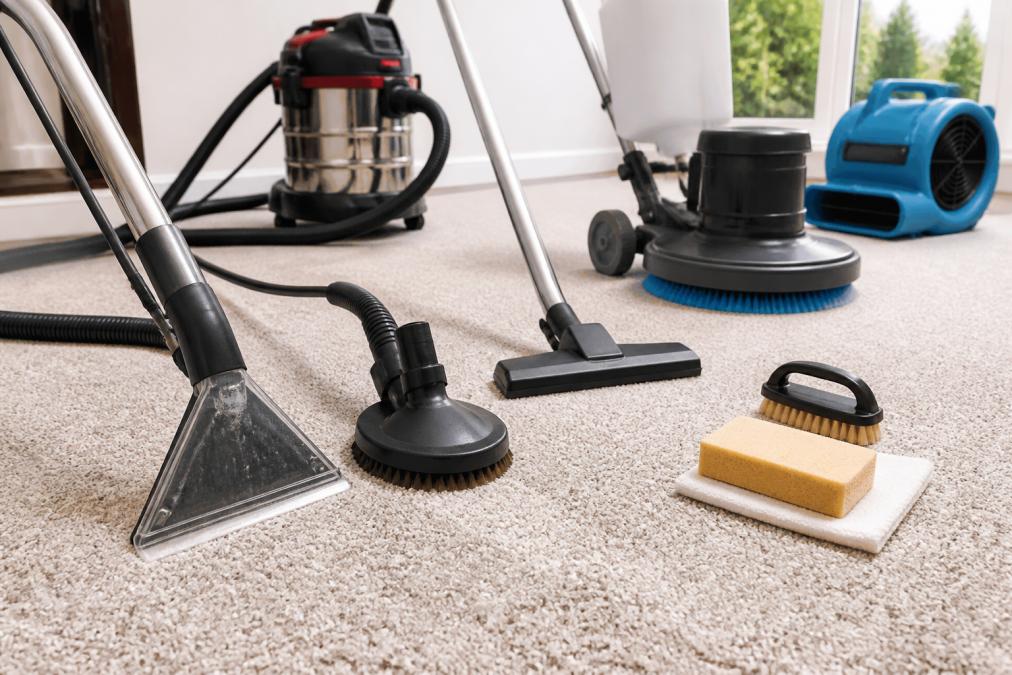
There are three primary categories: hot water extraction (often called steam cleaning), dry cleaning methods, and a hybrid approach that combines elements of both. Each has distinct advantages depending on your carpet type, the severity of soiling, and your timeline for drying. The method you choose directly impacts how thoroughly contaminants are removed and how quickly your carpet returns to normal use.
This guide walks you through each method so you can make an informed decision based on your actual needs, not just price.
Professional Hot Water Extraction Benefits
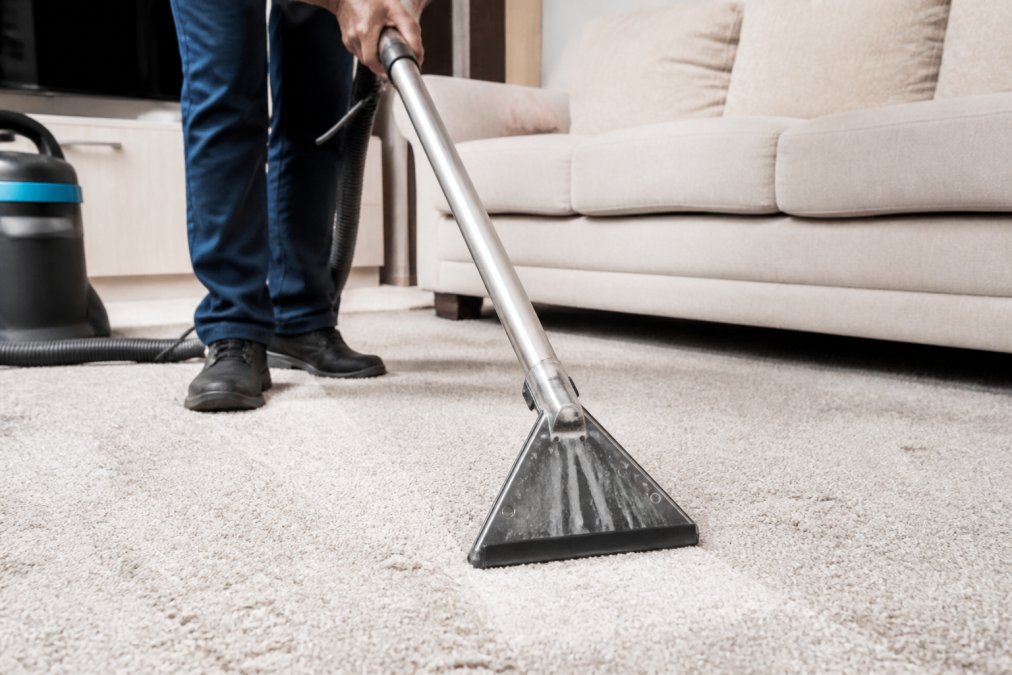
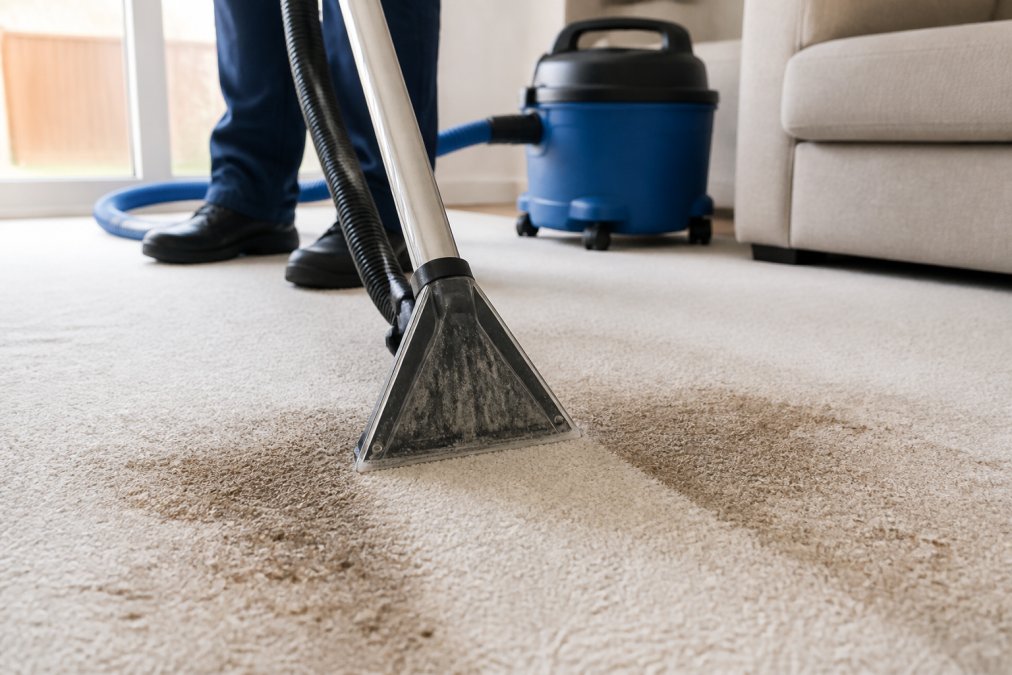
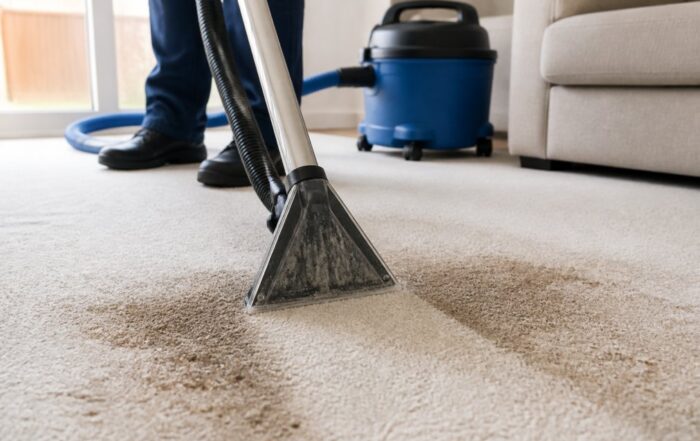
Hot water extraction, commonly referred to as steam cleaning, remains the gold standard for deep carpet cleaning because of its proven ability to remove dirt, bacteria, and allergens from deep within carpet fibres. The method works by injecting pressurized hot water mixed with cleaning solution into the carpet, agitating the fibres to suspend soil particles, and then extracting the dirty water using powerful suction.
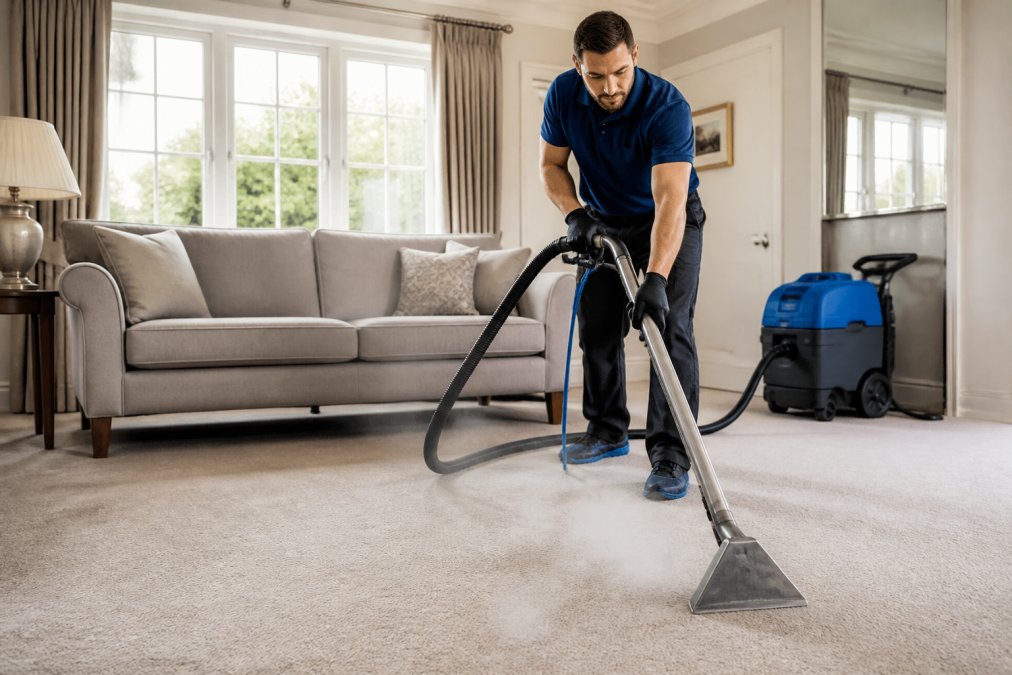
The effectiveness of hot water extraction comes from several factors working together. The heat itself helps break down stubborn soils and activates cleaning agents more effectively than cold water ever could. The agitation process physically lifts dirt particles away from fibre bases where they accumulate. The suction power, typically 150 psi or higher in professional equipment, removes most of the moisture, leaving the carpet damp rather than soaking wet (iicrc.org).
One major advantage is fibre saturation control. Professional machines can be adjusted to deliver precise amounts of solution and extract nearly all of it, preventing the oversaturation that leads to mildew and musty odours. This is where rental machines and consumer models often fall short, they lack the suction power to extract adequately, leaving carpets excessively wet.
Another benefit is the removal of hidden contaminants. Hot water extraction reaches deep into the carpet pile and the backing, removing bacteria, dust mites, pet dander, and allergens that surface vacuuming never touches. For families with allergies, asthma, or pets, this deep-cleaning capability is invaluable. The method also works on all standard carpet fibres, nylon, polyester, and wool, making it universally applicable.
The primary drawback is drying time. Even with professional-grade extraction, carpets typically need 4 to 8 hours to dry completely, depending on humidity, air circulation, and pile density (the CDC). This can be inconvenient in commercial settings or busy households, though fast-drying techniques can reduce this window.
Dry Carpet Cleaning vs. Steam Cleaning: Which Works Better
Dry carpet cleaning methods use minimal moisture, relying instead on powder or foam treatments that encapsulate soil particles, making them easier to vacuum away. The most common dry method uses a specialized machine that applies an absorbent compound to the carpet, works it into the fibres with rotating brushes, and then vacuums it up along with the encapsulated dirt.
The primary advantage of dry cleaning is speed. Your carpet dries within 30 minutes to 1 hour, allowing immediate foot traffic and furniture replacement (iicrc.org). This makes it ideal for commercial offices, retail spaces, and any situation where downtime must be minimized. There’s no risk of mildew or musty smells because moisture levels remain low.
However, dry cleaning has genuine limitations in cleaning depth. The encapsulation method works well for surface soil and light to moderate soiling, but it struggles with stubborn stains, deep-seated dirt, and heavy contamination. The powder residue can sometimes leave carpets feeling slightly stiff if not thoroughly vacuumed, and some people report that carpets resoil faster after dry cleaning because of residue buildup.
Steam cleaning (hot water extraction) delivers superior cleaning power for heavily soiled carpets and stubborn stains. It removes more contaminants because the hot water and suction extract dirt rather than simply encapsulating it. For allergen removal and health-conscious households, steam cleaning is more effective. However, it requires longer drying times and isn’t suitable for delicate fibres like some wool blends without proper pH-balanced solutions.
The choice between the two comes down to your priorities. Choose dry cleaning if speed and minimal disruption are essential and your carpet is lightly to moderately soiled. Choose hot water extraction if deep cleaning, allergen removal, and stain elimination are your primary goals and you can accommodate 4 to 8 hours of drying time.
How to Remove Stubborn Carpet Stains: Methods That Work
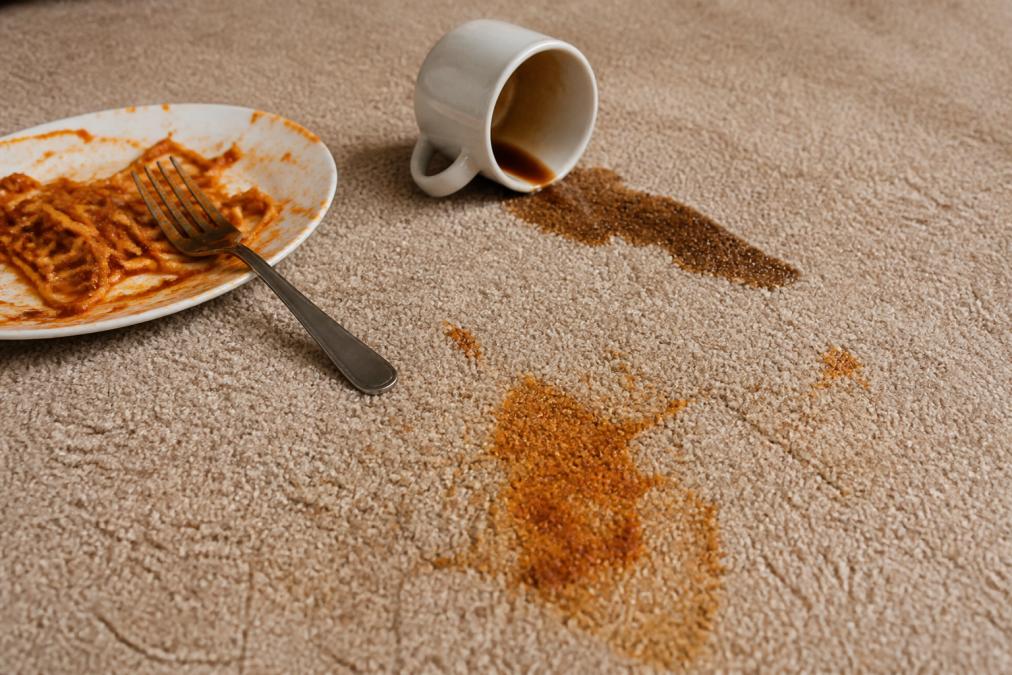
Stubborn stains require a targeted approach that combines the right technique with appropriate cleaning solutions. The key is understanding what type of stain you’re dealing with, protein-based (pet accidents, blood, food), tannin-based (wine, tea, coffee), oil-based (grease, makeup), or dye stains, because each responds differently to treatment.
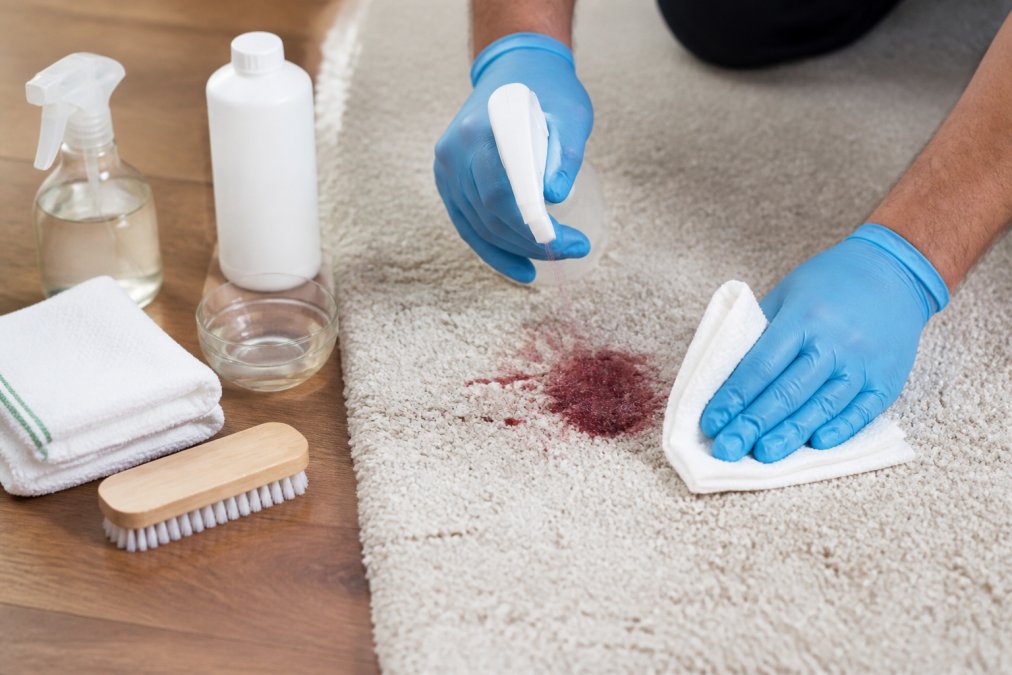
The first critical step is blotting, not rubbing. Rubbing spreads the stain deeper into the fibres and carpet backing, making it harder to remove. Blot from the outside edges toward the centre to contain the stain. Use white cloths so you can see when the stain is transferring out.
Pre-spray treatment is essential for stubborn stains. Apply a pH-balanced cleaning solution appropriate to the stain type and allow it to dwell for 10 to 15 minutes. This gives the solution time to break down the stain’s molecular structure. For protein stains, use an alkaline solution; for tannin stains, use a slightly acidic solution; for oil-based stains, use a solvent-based cleaner.
After the dwell time, agitation helps lift the stain. Use a soft-bristled brush to gently work the solution into the carpet fibres. Avoid aggressive scrubbing, which can damage fibres, especially on delicate materials like wool. Light, circular motions are more effective than back-and-forth scrubbing.
Once agitation is complete, extract the solution and stain residue using a wet-extraction method or damp cloth. For pet stains, enzymatic cleaners are particularly effective because they break down the organic compounds causing odours. These cleaners need time to work, apply, allow to sit for several hours or overnight, then extract.
For particularly stubborn stains that won’t respond to standard treatment, professional hot water extraction combined with specialized stain-removal compounds offers the best chance of success. Professionals have access to stronger treatments and more powerful extraction equipment than consumer products provide.
Carpet Cleaning Drying Time: Why It Matters
Drying time directly impacts carpet longevity, indoor air quality, and your ability to use the space. Carpets that remain wet too long are vulnerable to mildew growth, mould development, and musty odours that can persist for weeks. Moisture also reactivates soil particles, causing the carpet to resoil faster in damp areas.
Professional hot water extraction typically requires 4 to 8 hours for complete drying, though this varies based on several factors. Humidity levels are critical, drying takes significantly longer on damp days or in poorly ventilated spaces. Air circulation makes an enormous difference; opening windows and using fans can reduce drying time by 30 to 50 percent. Carpet pile density also matters, low-pile commercial carpets dry faster than thick, plush residential carpets.
Dry cleaning methods eliminate this concern entirely, with carpets drying within 30 to 60 minutes. This speed comes from the minimal moisture involved. Hybrid methods like Dry Fusion, which combine hot cleaning with rapid heat-drying technology, offer a middle ground, deep cleaning with drying times of 30 minutes or less.
To accelerate drying after any wet-extraction method, increase air circulation with ceiling fans, box fans, or open windows. Dehumidifiers are highly effective in humid climates. Avoid walking on the carpet until it’s completely dry to prevent resoiling and potential slipping hazards. In commercial settings, scheduling cleaning for end-of-day or overnight ensures the space is ready for use the next morning.
DIY vs. Professional Cleaning: What You Need to Know
The choice between DIY and professional cleaning depends on carpet condition, your technical skill, available equipment, and budget considerations. Understanding the genuine trade-offs helps you make a decision that won’t leave you disappointed or out of pocket.
DIY cleaning using rental machines or consumer equipment offers lower upfront cost and flexibility in scheduling. You control the process entirely and can tackle stains immediately when they occur. However, consumer machines have significant limitations. Rental equipment provides more power than home machines, but still lacks the suction capacity of professional-grade extraction units. This means carpets often remain wetter than ideal, extending drying time and increasing the risk of mildew.
Most DIY cleaners also lack training in proper technique. Applying too much solution, inadequate agitation, or insufficient extraction creates residue buildup that causes rapid resoiling. Many people report that their carpets look clean immediately after DIY treatment but resoil within days because of chemical residue left behind.
Professional cleaning delivers superior results because technicians understand carpet fibres, solution chemistry, and equipment capabilities. They adjust their approach based on carpet type, soil level, and fibre condition. Professional-grade hot water extraction equipment has suction power that consumer machines cannot match, removing significantly more moisture and contaminants. Professionals also apply the correct amount of solution, too little is ineffective, but too much causes residue buildup and slow drying.
For routine maintenance cleaning of lightly soiled carpets, DIY can be adequate if you invest in a quality rental machine and learn proper technique. For heavily soiled carpets, stubborn stains, or allergen removal in health-conscious households, professional cleaning is worth the investment. Many homeowners find a hybrid approach works best, handle routine spot cleaning themselves but hire professionals for deep cleaning twice yearly.
Carpet Cleaning In Stockport provides professional-grade hot water extraction with experienced technicians who understand how to clean without damaging fibres or leaving residue. Same-day service availability means you can address urgent cleaning needs without waiting, and the fast drying times minimise disruption to your home or business.
Maintaining Your Carpet Between Professional Cleans
Regular maintenance extends the time between professional cleanings and keeps your carpet looking fresher longer. The key is removing surface soil before it gets ground into the fibres and becomes part of the permanent carpet structure.
Vacuum thoroughly and frequently, ideally twice weekly in high-traffic areas, weekly in normal-use areas. Use a machine with good suction and a rotating brush bar that agitates fibres to lift embedded dirt. Vacuuming alone removes approximately 80 percent of surface soil, making it the most cost-effective maintenance step.
Address spills immediately by blotting, not rubbing. The faster you remove liquid, the less chance it has to set into fibres or penetrate the carpet backing. Keep a white cloth and pH-balanced spot-cleaning solution on hand for quick response. For pet accidents, enzymatic cleaners are essential because they break down organic compounds that cause lingering odours.
Use doormats at all entrances to capture soil before it reaches the carpet. Encourage family members and guests to remove shoes in the home, reducing the amount of dirt tracked onto carpets. In high-traffic areas, consider placing protective runners or rugs to minimize wear and soil accumulation.
Professional deep cleaning should occur every 12 to 18 months for residential carpets in normal use, or more frequently if you have pets, children, or heavy foot traffic. Commercial carpets benefit from quarterly or semi-annual professional cleaning depending on usage levels. This schedule prevents soil from building up to levels where it damages fibres or creates persistent odours.
Carpet protection treatments applied during professional cleaning can help repel stains and reduce resoiling. These treatments create an invisible barrier on carpet fibres, giving you more time to address spills before they set. While not essential, they’re particularly valuable if you have pets, young children, or light-coloured carpets prone to visible soiling.
Stubborn stains, heavy soiling, and allergen removal require more than standard maintenance can provide. Professional hot water extraction removes the dirt, bacteria, and allergens that household vacuuming misses, restoring your carpet to its original condition and creating a healthier home environment. Carpet Cleaning In Stockport uses advanced equipment and family-friendly, pet-safe cleaning solutions to deliver deep cleaning that actually works, with fast drying times and no sticky residue left behind. Get in touch to discuss your carpet cleaning needs and experience the difference professional-grade cleaning makes.
Frequently Asked Questions
Q: What is the most effective carpet cleaning method for deep stains?
A: Hot water extraction, also called steam cleaning, is the most effective method for deep stains. The combination of pressurised water, heat, and powerful suction removes dirt and stains embedded deep within carpet fibres. For stubborn marks, pre-spray treatments applied before extraction significantly improve results. Professional-grade equipment applies higher pressure and temperature than domestic machines, making it ideal for heavy-duty stain removal.
Q: How long does it typically take for carpet to dry after professional hot water extraction?
A: Professional hot water extraction usually leaves carpets dry within 4-8 hours, depending on humidity, air circulation, and carpet thickness. Modern professional equipment uses powerful suction to remove excess water, reducing drying time significantly compared to older methods. Opening windows and using fans accelerates the process further.
Q: Is dry carpet cleaning as effective as hot water extraction?
A: Dry carpet cleaning works differently from hot water extraction. It uses minimal moisture and chemical compounds that encapsulate dirt particles, making them easier to vacuum away. While effective for maintenance and light cleaning, it doesn’t penetrate as deeply as hot water extraction for removing embedded dirt, bacteria, and allergens. Hot water extraction is generally superior for deep cleaning, whilst dry methods suit frequent maintenance between professional cleans.
Q: What makes professional carpet cleaning better than renting a machine?
A: Professional carpet cleaners use industrial-grade equipment with significantly higher suction power, water pressure, and heat than rental machines. They apply pre-spray treatments to break down soils, adjust their technique based on carpet fibre type, and extract water far more efficiently. Professional technicians understand which solutions work best for different stains and carpet materials. The result is deeper cleaning, faster drying, and longer-lasting results that rental machines struggle to match.
Q: Can professional carpet cleaning remove pet odours permanently?
A: Professional hot water extraction removes most pet odours by flushing out urine, bacteria, and organic matter trapped in carpet fibres and the backing. However, if urine has soaked into the underlay or subfloor, the smell may return without treating those layers. Professional cleaners can apply enzymatic treatments and antimicrobial solutions that break down odour-causing bacteria. For severe cases, identifying and treating the source area with specialised pet-odour products offers the best chance of permanent elimination.
Q: How often should carpets be professionally cleaned?
A: Most households benefit from professional carpet cleaning every 12-18 months. Homes with pets, young children, or high-traffic areas should consider cleaning every 6-12 months to maintain hygiene and carpet longevity. Commercial spaces with heavy footfall typically require quarterly or bi-annual cleaning. Regular professional cleaning removes accumulated dirt, bacteria, and allergens that vacuum cleaners cannot reach, extending carpet life and maintaining a healthier indoor environment.
Q: What carpet fibres require special cleaning methods?
A: Wool carpets need pH-balanced, wool-safe solutions to prevent damage and maintain their natural qualities. Nylon is durable and tolerates most cleaning methods well. Polyester benefits from hot water extraction but can be damaged by excessive heat. Natural fibres like sisal or jute require dry cleaning methods as water can cause shrinkage and mildew. Professional cleaners assess fibre type before selecting cleaning solutions and techniques to avoid damage whilst achieving effective results.
This article was written using GrandRanker