Table of Contents
- Steam Cleaning vs Dry Carpet Cleaning: Key Differences Explained
- Hot Water Extraction Carpet Cleaning: Deep Cleaning Power
- Dry Cleaning Methods: Low-Moisture Alternatives
- Carpet Cleaning Drying Time: Speed and Moisture Saturation
- Best Carpet Cleaning for Allergies and Pet Health
- Cost of Steam Cleaning vs Dry Cleaning: Pricing and Value
- Which Method is Better for Deep Cleaning and Carpet Longevity
- Post-Cleaning Maintenance and Sustainability Considerations
Last Updated: July 21, 2026
When choosing between steam cleaning vs dry carpet cleaning, homeowners and business owners face a critical decision affecting carpet longevity, drying time, and indoor air quality. The choice between hot water extraction and low-moisture cleaning isn’t simply about preference, it’s about matching the right technology to your carpet type, soil level, and timeline.
Steam Cleaning vs Dry Carpet Cleaning: Key Differences Explained
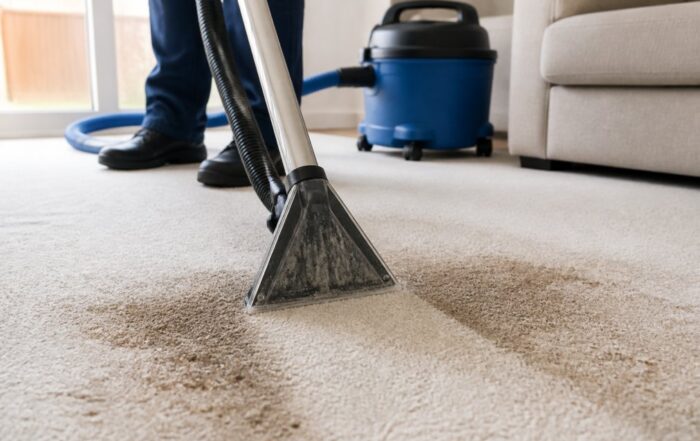
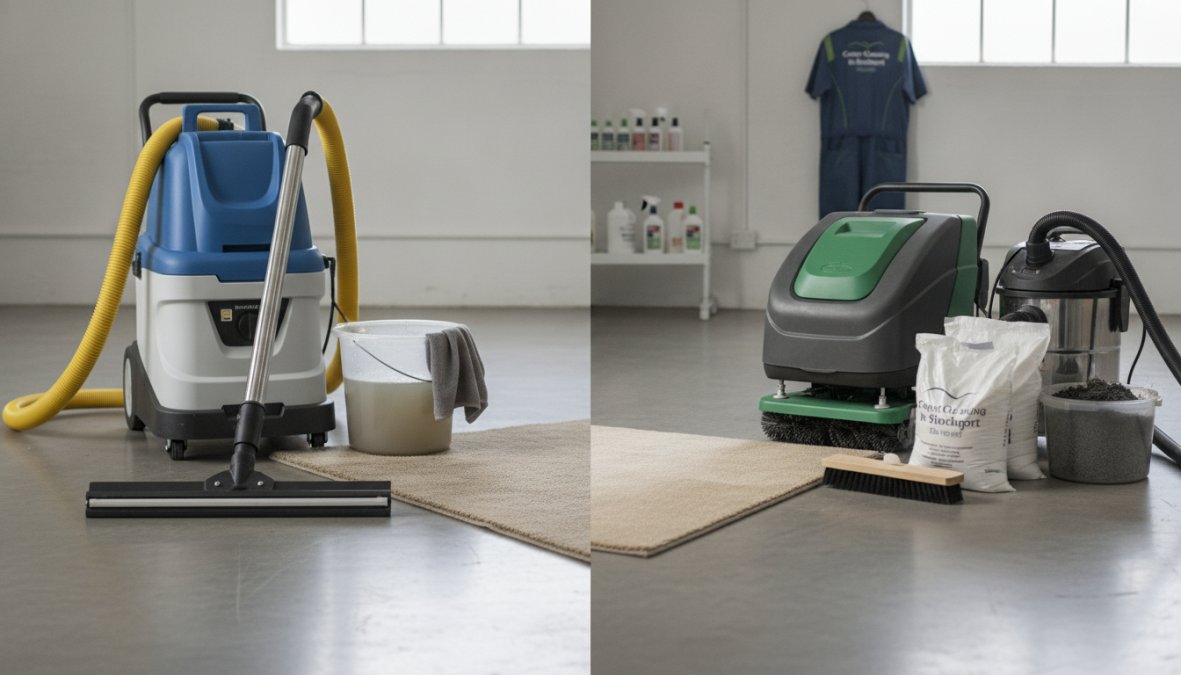
Steam cleaning and dry carpet cleaning represent two opposing philosophies in carpet care. Steam cleaning, technically called hot water extraction, uses heated water combined with cleaning solution to penetrate carpet fibers, suspend dirt, and extract moisture through powerful suction. Dry cleaning methods use minimal water, typically in the form of a moist compound or encapsulation agent that absorbs dirt without saturating the carpet.
What is Steam Cleaning?
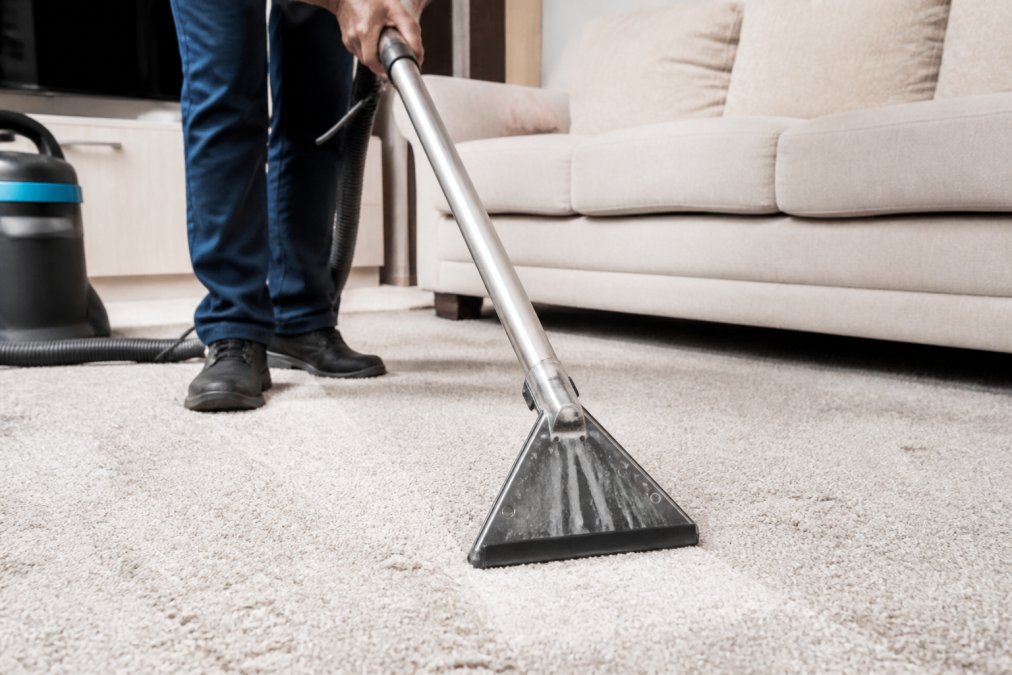
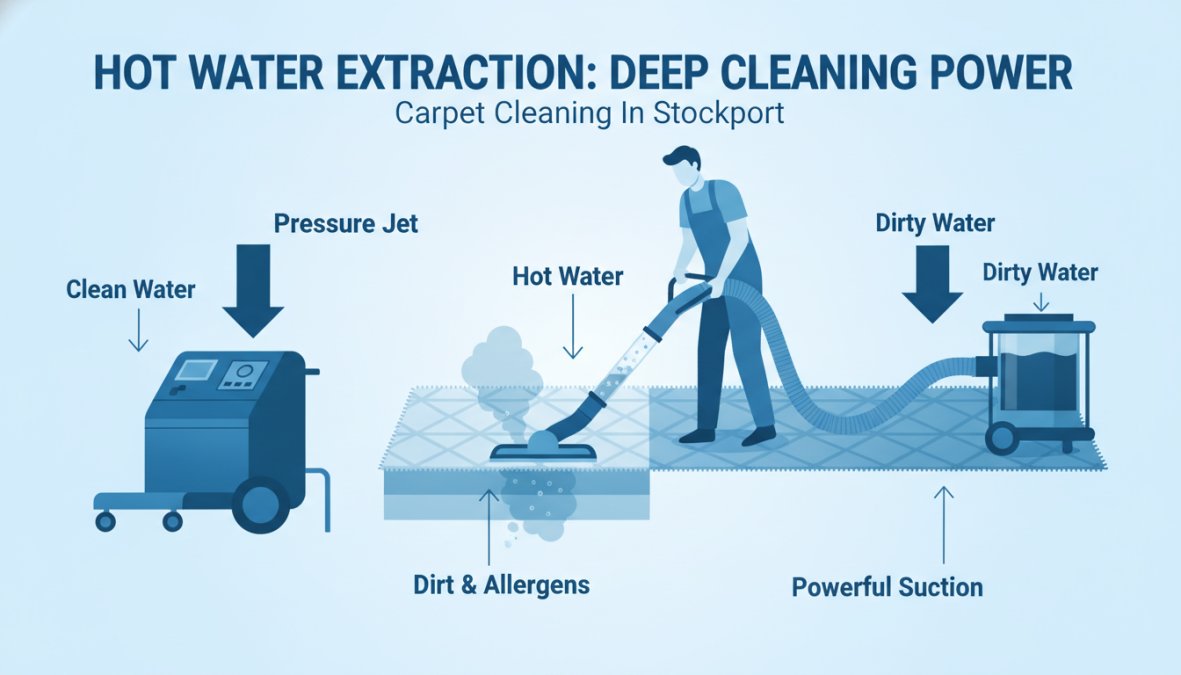
Steam cleaning (or hot water extraction) forces heated water and cleaning solution into carpet fibers under pressure, then immediately extracts the dirty water using powerful suction. Water is typically 150-200°F, hot enough to break down stubborn soils but not actually producing steam in most residential equipment.
The process works in stages: pre-treatment of stains, injection of hot water solution, agitation of carpet fibers, and extraction. Professional equipment removes not just surface dirt but bacteria, allergens, and embedded contaminants trapped deep in the carpet padding.
What is Dry Carpet Cleaning?
Dry carpet cleaning encompasses several low-moisture methods, most commonly encapsulation and bonnet cleaning. Encapsulation uses a specialized compound that’s applied to carpet fibers, allowed to dry, and then vacuumed away along with absorbed dirt. Professional services like Chem-Dry use proprietary methods such as Hot Carbonating Extraction (HCE), which applies carbonated cleaning solution to lift dirt to the surface without saturating the carpet.
Hot Water Extraction Carpet Cleaning: Deep Cleaning Power
Hot water extraction stands as the gold standard for deep cleaning, particularly when carpets face heavy soiling, pet accidents, or accumulated allergens.
How Hot Water Extraction Works
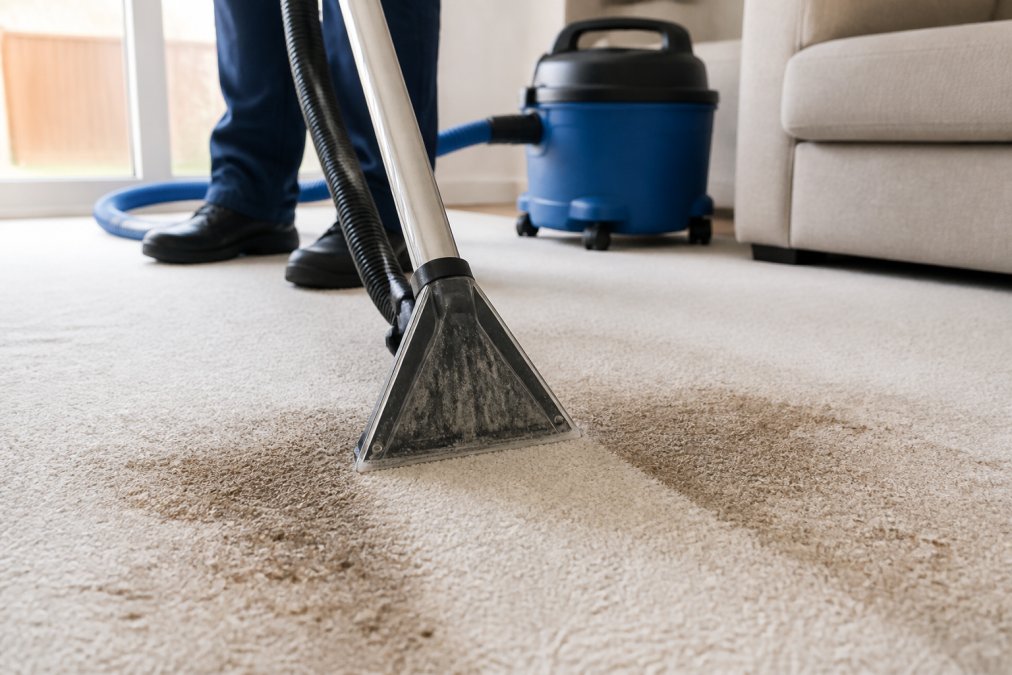
A technician pre-treats soiled areas with cleaning solution, allowing it to dwell for several minutes. The extraction wand then moves across the carpet in overlapping passes, simultaneously injecting hot water solution and vacuuming dirty water back into a holding tank. The heated water dissolves oils, loosens bacteria, and suspends dirt particles, while suction exceeding 200 inches of water lift removes moisture and contaminants. For pet stains and odors, specialized enzymatic treatments break down organic compounds at a molecular level.
Professional hot water extraction typically requires 24-48 hours for complete drying. Request equipment with high-extraction power and ask technicians to use air movers and dehumidifiers to [reduce drying time](/2026/07/17/how-to-dry-carpets-quickly-after-cleaning/) to 6-12 hours.
Pros of Steam Cleaning
Hot water extraction delivers unmatched cleaning depth. Studies show hot water extraction removes up to 99% of dust mites and allergens. For high-traffic areas, pet stains, and heavily soiled spaces, steam cleaning consistently restores carpet to near-original condition.
The method comprehensively addresses allergens. According to American Lung Association guidelines on indoor air quality, deep carpet cleaning removes dust mites, pet dander, and mold spores that accumulate in carpet fibers and padding. Families with asthma or allergies often see measurable symptom improvements after professional hot water extraction.
Hot water extraction is versatile across carpet types. Whether your carpet is synthetic, wool, or a blend, the method can be adjusted for fiber sensitivity by controlling water temperature and dwell time.
Cons of Steam Cleaning
The primary drawback is drying time. Hot water extraction saturates carpet fibers and padding with moisture, typically requiring 24-48 hours for complete drying. In humid climates or poorly ventilated spaces, drying can stretch to 72 hours, during which wet carpet poses risks: mold growth, mildew odors, and temporary loss of usable space.
If carpet padding absorbs too much water or dries too slowly, mold and mildew can develop beneath the surface, creating musty smells and potential health concerns. Professional extraction power matters significantly, machines that remove more water upfront reduce drying time and mold risk substantially.
Cost represents another consideration. Professional hot water extraction typically costs more than dry cleaning services, and DIY rental machines often underperform compared to truck-mounted professional equipment.
Dry Cleaning Methods: Low-Moisture Alternatives
Dry cleaning methods prioritize speed and convenience, ideal for businesses, rental properties, and situations where extended downtime isn’t acceptable.
How Dry Cleaning Works
Encapsulation applies a specialized cleaning compound to carpet fibers. This compound contains polymers that surround and encapsulate dirt particles. As the compound dries, it crystallizes around soil, making it easy to vacuum away. Bonnet cleaning, used primarily in commercial settings, involves a rotating machine with an absorbent pad that scrubs the carpet surface while absorbing dirt and moisture.
Professional services like Chem-Dry use Hot Carbonating Extraction, a hybrid approach applying carbonated cleaning solution (which fizzes and lifts dirt to the surface) followed by extraction. This method uses significantly less water than traditional steam cleaning, typically 80% less.
Pros of Dry Carpet Cleaning
Speed is the defining advantage. Dry cleaning methods allow carpets to dry within 1-3 hours, meaning your space is usable almost immediately. For businesses, this eliminates disruption.
These methods minimize chemical residue and protect delicate fibers. Wool carpets, vintage rugs, and natural fiber blends can shrink or experience browning if exposed to excessive moisture. Dry methods are safer for sensitive materials and often recommended by carpet manufacturers in warranty documentation.
Environmental considerations favor dry cleaning. These methods use fewer chemicals, produce less wastewater, and require less energy for drying. HOST Dry Carpet Cleaner and similar products are Green Seal Certified.
Cons of Dry Carpet Cleaning
The fundamental limitation is cleaning depth. Dry methods address surface and near-surface soil effectively but cannot penetrate to the carpet backing or padding where allergens, bacteria, and ground-in dirt accumulate. For homes with pets, children, or high foot traffic, dry cleaning alone may not achieve the deep sanitization that hot water extraction provides.
Effectiveness on set-in stains is limited. Fresh spills respond well to encapsulation, but stains that have dried and bonded to fibers often require the heat and moisture of steam cleaning to fully dissolve.
Improper encapsulation application can leave sticky residue that attracts dirt, making carpets appear dirtier within days. Always hire certified technicians or follow product instructions precisely if attempting DIY dry cleaning.
Carpet Cleaning Drying Time: Speed and Moisture Saturation
Drying time is often the deciding factor for commercial clients and busy households.
Steam Cleaning Drying Times
Professional hot water extraction typically requires 24-48 hours for complete drying under ideal conditions. Many carpets are walkable within 6-12 hours but remain slightly damp for 24-36 hours. Professional truck-mounted equipment removes more water upfront, reducing drying time by 30-50% compared to portable machines.
Dry Cleaning Drying Times
Encapsulation and HCE methods dry within 1-3 hours, with carpets typically ready for foot traffic within 30 minutes to 1 hour. This dramatic difference stems from minimal moisture application, dry methods use 10-20% of the water that steam cleaning requires. Carpets are usually dry enough to walk on within 1-2 hours and fully cured within 3-4 hours.
| Cleaning Method | Drying Time | Walkable Time | Risk of Mold | Best For |
|---|---|---|---|---|
| Hot Water Extraction | 24-48 hours | 6-12 hours | Moderate if humid | Deep cleaning, heavy soil, allergen removal |
| Encapsulation | 1-3 hours | 30-60 minutes | Very low | Maintenance, quick turnaround, delicate fibers |
| Hot Carbonating Extraction | 1-2 hours | 1-2 hours | Very low | Commercial spaces, speed-critical situations |
| Bonnet Cleaning | 30-60 minutes | Immediate | Minimal | Surface maintenance, high-traffic areas |
Best Carpet Cleaning for Allergies and Pet Health
For families managing allergies or pet-related odors, carpet cleaning method selection directly impacts indoor air quality and health outcomes.
Allergen Removal and Indoor Air Quality
Hot water extraction removes allergens more effectively than dry methods. The combination of heat and moisture breaks apart dust mite colonies, dissolves pet dander bonded to fibers, and extracts mold spores from carpet backing and padding. Research from American Academy of Allergy, Asthma & Immunology indicates that professional deep cleaning reduces allergen levels by up to 90% when using hot water extraction with HEPA filtration.
For families with asthma or pet allergies, this deep cleaning capability is medically significant. However, the benefit is temporary if the carpet dries too slowly or incompletely. Proper ventilation and air movement during and after cleaning are essential.
Dry cleaning methods remove surface allergens but don’t penetrate deeply enough to address dust mite colonies in carpet padding. For routine maintenance between deep cleanings, encapsulation helps, but it shouldn’t replace annual hot water extraction for allergy sufferers.
Pet-Specific Cleaning Needs and Odor Control
Pet urine presents unique challenges because odor compounds penetrate carpet fibers, backing, and padding. Hot water extraction combined with enzymatic treatments designed to break down uric acid crystals addresses this comprehensively. Dry cleaning methods struggle with pet odors because they don’t saturate the carpet sufficiently to reach urine soaked into padding.
For pet households, combine hot water extraction every 6-12 months with spot treatments using enzymatic cleaners between professional cleanings.
Cost of Steam Cleaning vs Dry Cleaning: Pricing and Value
Budget considerations influence method selection, though the cheapest option isn’t always the best value long-term.
Professional Service Costs
Professional hot water extraction pricing varies by carpet size, soil level, and location. For a typical 1,000 square foot residential space, Carpet Cleaning In Stockport offers competitive pricing starting from £29.00 per area, with pricing dependent on the specific scope of your space and cleaning needs.
Professional dry cleaning services typically cost 20-30% less per visit than steam cleaning. For businesses requiring monthly maintenance, dry cleaning’s speed advantage justifies the cost. The value calculation should account for frequency, if steam cleaning is needed only once or twice yearly, the annual investment remains reasonable.
DIY Equipment and Rental Costs
DIY rental machines cost £40-80 for a day rental plus cleaning solution costs. However, rental machines underperform compared to professional truck-mounted equipment. Encapsulation products like HOST Dry Carpet Cleaner cost £20-100 depending on carpet area, making DIY dry cleaning the most affordable option for light maintenance between professional cleanings.
Which Method is Better for Deep Cleaning and Carpet Longevity
The answer depends on your carpet type, soil level, and long-term care goals.
Deep Cleaning Performance
Hot water extraction achieves objectively deeper cleaning, removing embedded soil, bacteria, and allergens that dry methods cannot reach. For carpets that haven’t been professionally cleaned in years or spaces with heavy foot traffic, steam cleaning restores carpet appearance and hygiene that dry cleaning cannot match.
Dry cleaning excels at maintenance. For most households, an effective strategy combines annual or semi-annual hot water extraction with quarterly dry cleaning or encapsulation treatments.
Impact on Carpet Fibers and Lifespan
Properly executed steam cleaning, with adequate extraction and drying, extends carpet life by removing abrasive soil particles that wear fibers through friction. Dry cleaning methods pose minimal risk to fibers and are gentler on delicate materials like wool and silk.
Carpet Warranty and Manufacturer Recommendations
Many carpet manufacturers specify cleaning method requirements in their warranty documentation. Some warranties require hot water extraction at least once yearly to maintain coverage. Others explicitly prohibit steam cleaning on certain fiber types, requiring dry cleaning only.
Before selecting a cleaning method, consult your carpet’s warranty documentation. Violating these requirements can void your warranty. At Carpet Cleaning In Stockport, we review warranty requirements before recommending a cleaning approach.
Post-Cleaning Maintenance and Sustainability Considerations
The cleaning method you choose influences how you maintain your carpet afterward and the environmental impact of your choice.
Maintenance Routines After Cleaning
After hot water extraction, carpets require 24-48 hours to dry completely. During this period, avoid heavy foot traffic, keep windows open or run fans to aid drying, and use dehumidifiers if humidity is high. Once dry, regular vacuuming (2-3 times weekly for high-traffic areas) prevents soil from re-embedding.
After dry cleaning, maintenance is simpler. Carpets are immediately usable, and regular vacuuming is sufficient. Establishing a maintenance schedule extends carpet life regardless of cleaning method. Weekly vacuuming removes surface soil before it embeds. Professional cleaning every 6-12 months keeps carpets in optimal condition.
Environmental Impact and Chemical Residue
Hot water extraction uses more water and produces wastewater containing dissolved soil and cleaning chemicals. However, the deep cleaning effectiveness means less frequent professional cleaning is needed, offsetting some environmental impact.
Dry cleaning methods use minimal water and produce less chemical waste. Encapsulation products are often biodegradable and Green Seal Certified, making them environmentally preferable. For environmentally conscious households, dry cleaning methods are generally preferable. However, for deep allergen and odor removal, the environmental cost of hot water extraction may be justified by health benefits.
The choice between steam cleaning vs dry carpet cleaning depends on your priorities: deep cleaning power and allergen removal versus speed and minimal moisture risk. For most households, the ideal approach combines both methods, annual or semi-annual hot water extraction for thorough cleaning, supplemented by quarterly dry cleaning for maintenance. Carpet Cleaning In Stockport offers both services with experienced technicians who assess your carpet type, soil level, and warranty requirements before recommending the best approach. Contact us today for a personalized cleaning plan that protects your carpet investment while maximizing indoor air quality and health.
Frequently Asked Questions
Is steam cleaning or dry cleaning better for carpets?
The choice depends on your specific needs. Steam cleaning via hot water extraction delivers superior deep cleaning and soil extraction for heavily soiled carpets and high-traffic areas, removing embedded dirt and allergens. Dry carpet cleaning offers faster drying times and is gentler on delicate carpet fibers and natural materials. For most households, steam cleaning provides more thorough sanitization and stain removal, while dry cleaning suits those needing quick turnaround times or moisture-sensitive carpets.
How long does carpet take to dry after steam cleaning?
Carpet drying time after steam cleaning typically ranges from 8-24 hours, depending on humidity, ventilation, carpet thickness, and equipment power. Professional hot water extraction with strong suction can reduce drying to 6-12 hours. Dry cleaning methods dry within 1-2 hours since they use very low-moisture technology and minimal water saturation. If fast drying is critical, such as in commercial offices or high-traffic areas, dry cleaning or low-moisture extraction methods are preferable.
Which carpet cleaning method is best for pet odors and stains?
Steam cleaning (hot water extraction) is generally superior for pet odor elimination and deep stain removal. It penetrates carpet padding where pet urine settles, extracting both the stain and odor-causing bacteria. Professional services often include specialized pet treatments that break down organic compounds. However, dry cleaning works well for surface pet stains and quick spot treatment. For stubborn pet issues, professional steam cleaning with enzyme-based treatments or specialized pet urine removal processes offers the most effective long-term odor control.
Does steam cleaning damage carpets or cause mold?
Properly executed steam cleaning does not damage quality carpets when moisture is adequately extracted. However, excessive moisture saturation can lead to mold and mildew risk if carpets remain damp too long or lack proper ventilation. Professional equipment with strong suction minimizes this risk. Dry cleaning eliminates moisture concerns entirely. To prevent issues after steam cleaning, ensure good air circulation, use dehumidifiers if needed, and avoid walking on wet carpets. Quality professional services use pH-balanced solutions and proper extraction techniques to protect carpet fibers and padding.
What's the difference between steam cleaning and very low-moisture dry cleaning?
Steam cleaning (hot water extraction) uses heated water and powerful suction to deep clean and extract dirt from carpet fibers and padding. Very low-moisture (VLM) dry cleaning uses minimal water, typically a moist compound or encapsulation solution, that absorbs dirt without saturating the carpet. Steam cleaning provides deeper soil extraction and sanitization, while VLM drying is faster and safer for moisture-sensitive carpets. Steam cleaning is ideal for heavy soiling; VLM suits routine maintenance and quick-dry needs. Both methods are more effective than traditional bonnet cleaning for overall carpet health.
This article was written using GrandRanker