Table of Contents
- Average Carpet Cleaning Cost UK: What to Expect in 2026
- Factors Affecting Carpet Cleaning Cost UK
- Best Carpet Cleaning Methods UK: Steam vs Dry Cleaning
- DIY Carpet Cleaning vs Professional UK: Cost and Results
- Hidden Fees and What to Ask Before Getting a Quote
- Environmental Impact and Post-Cleaning Maintenance Costs
- Professional Carpet Cleaning Cost 2026: Residential vs Commercial Rates
- Conclusion
Last Updated: August 2, 2026
Understanding the cost of professional carpet cleaning 2026 requires looking beyond simple per-room rates. Prices vary dramatically based on carpet type, cleaning method, regional location, and the specific services you need. At Carpet Cleaning In Stockport, we’ve analysed the current market to help homeowners and businesses understand what they should expect to pay for professional carpet restoration in 2026.
Average Carpet Cleaning Cost UK: What to Expect in 2026
The cost of professional carpet cleaning 2026 in the United Kingdom typically ranges based on the area being cleaned rather than a fixed national standard. Most professional cleaners now price by square metre or by individual room, reflecting the actual labour and equipment time required.
According to recent industry guidance from Which? consumer reports on carpet cleaning services, pricing structures have shifted toward transparency in 2026, with most reputable firms publishing clear breakdowns upfront.
Per-room pricing and square metre rates
Professional carpet cleaning in the UK operates on two primary pricing models. Per-room rates work well for domestic properties with clearly defined spaces, while square metre pricing suits larger commercial installations or open-plan layouts.
Per-room pricing typically assumes a standard lounge, bedroom, or hallway requiring one to two hours of professional attention. Square metre pricing offers precision for irregular spaces. Many professional cleaners combine both models, quoting per-room for domestic work but switching to square metre rates for commercial contracts exceeding 500 square metres.
Ask your cleaner whether their minimum call-out charge applies if your total area falls below a certain threshold. Some firms waive minimums for regular customers or properties in their immediate service area.
Regional variation: London versus the rest of the UK
London’s carpet cleaning costs significantly exceed those in other UK regions, reflecting higher commercial property values, increased travel time between jobs, and elevated living costs for service providers. The cost of professional carpet cleaning 2026 in London can be 40-60% higher than equivalent services in Stockport or comparable regional towns.
Outside London, regional variation remains modest across most of England, Scotland, and Wales. However, rural areas often attract higher minimum call-out charges to compensate for travel distance. Stockport and the Greater Manchester area typically fall between London prices and rural rates, offering reasonable value without the capital’s premium.
Your postcode matters more than you might expect. A 200 square metre property in Stockport will cost considerably less than the same space in central London, but only marginally more than the same property in rural Lancashire.
Factors Affecting Carpet Cleaning Cost UK
Multiple variables combine to determine your final quote. Understanding these factors helps you anticipate costs and identify where you might negotiate or make choices that reduce expense without compromising results.
Carpet fibre type: synthetic versus wool
The material your carpet is made from fundamentally affects cleaning cost and method selection. Synthetic fibres like polypropylene and polyester respond well to hot water extraction and tolerate aggressive cleaning solutions. Wool carpets demand gentler approaches and specialist products, increasing labour time and material costs. A wool carpet that would cost £80-120 to clean using standard hot water extraction might cost £150-200 with the appropriate gentle method.
Synthetic carpets dominate the UK market, particularly in rental properties and commercial spaces. They’re more forgiving of aggressive cleaning and dry faster, reducing downtime. Blended fibres occupy a middle ground, requiring careful method selection.
High-traffic areas and stain removal charges
Heavily soiled areas cost more to clean because they require additional passes, stronger cleaning solutions, and extended dwell time. Hallways, stairs, and spaces near pet areas accumulate deep-set dirt that won’t shift with standard cleaning.
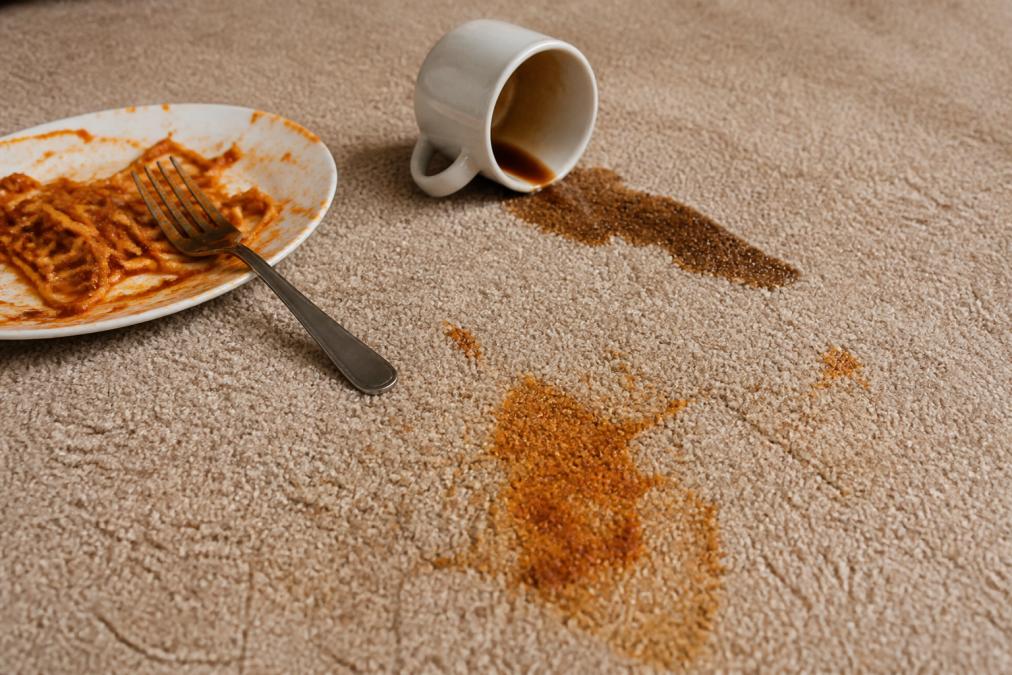
Stain removal represents a significant cost variable. Organic stains (pet accidents, food, blood) typically cost less to address than synthetic stains (ink, paint, dyes). A single stubborn wine stain might add £30-50 to your bill if it requires extended treatment.
Pet-affected carpets command higher rates because they typically require sanitization and deodorizing alongside standard cleaning. The odour removal process involves treating the carpet backing and underlay, not just the visible pile, which doubles labour time.
Furniture moving and additional services
Professional cleaners typically charge extra for moving furniture, as this adds significant labour without adding cleaning value. Some firms include moving light furniture in their base price but charge for moving heavy items.
Upholstery cleaning, sofas, armchairs, and mattresses command separate pricing. A three-piece suite might cost £150-250 to clean professionally. Deodorizing and sanitization represent additional charges beyond standard cleaning, typically adding £40-80 to your bill. Carpet protection treatments apply a chemical barrier that resists staining and soiling, costing £20-40 per room and lasting 12-18 months before reapplication.
Some cleaners bundle protection treatments into their quote without clearly stating the cost separately. Always ask whether protection is included or an add-on, and confirm the cost before agreeing to the service.
Best Carpet Cleaning Methods UK: Steam vs Dry Cleaning
The cleaning method your professional chooses dramatically affects both cost and results. Understanding the differences helps you make informed decisions about which approach suits your carpets and timeline.
Hot water extraction and professional equipment
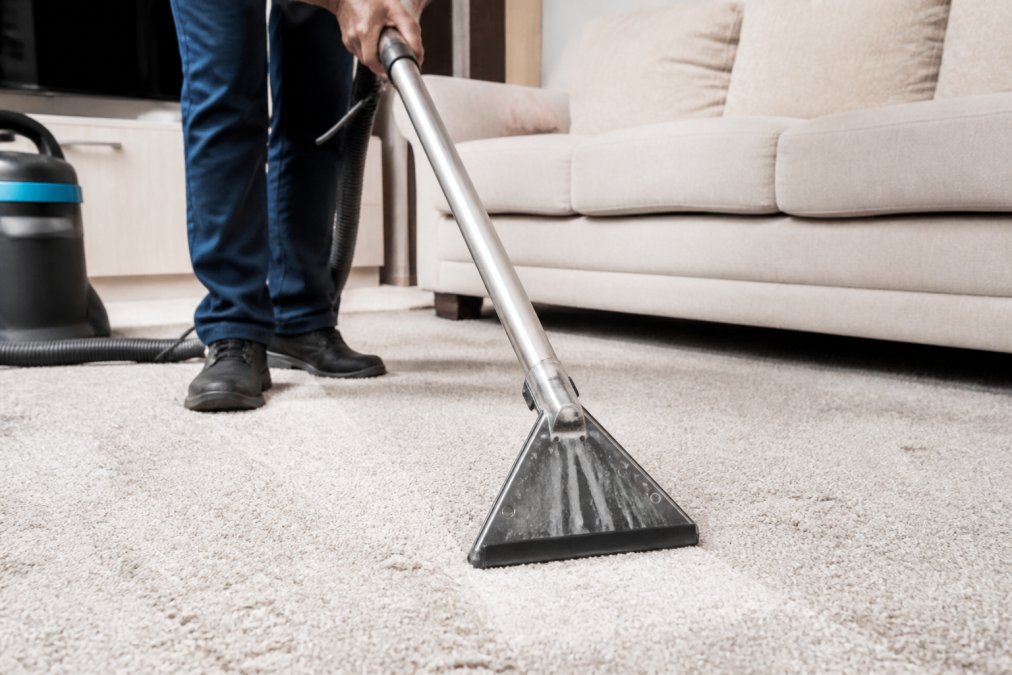
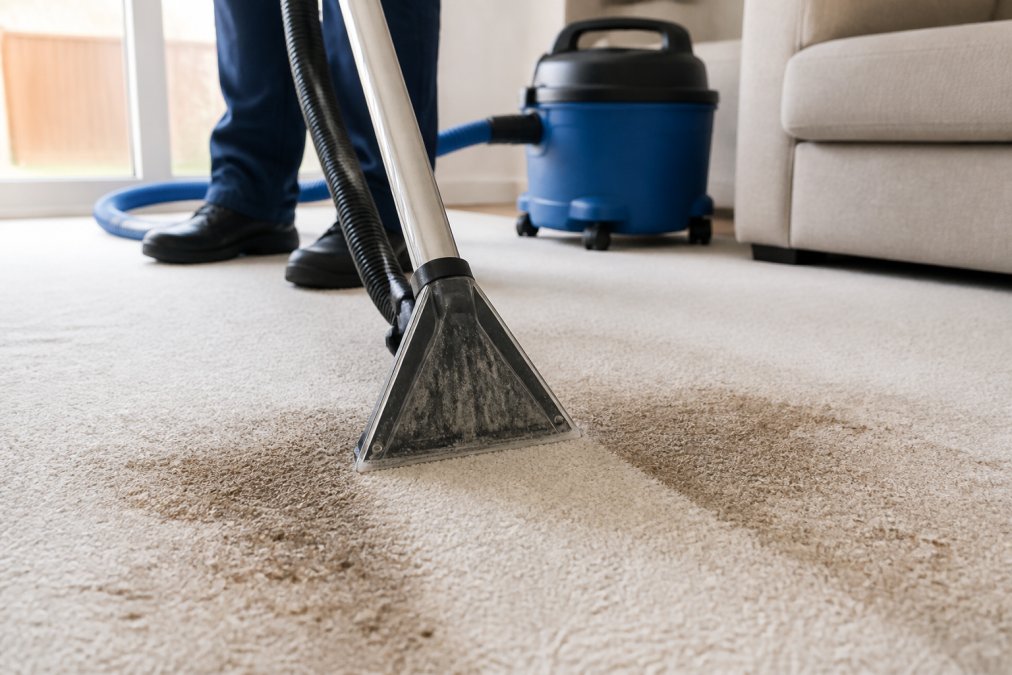
Hot water extraction (commonly called steam cleaning) dominates professional carpet cleaning in the UK. This method injects hot water mixed with cleaning solution deep into the carpet pile, then extracts the dirty water using powerful vacuum systems.
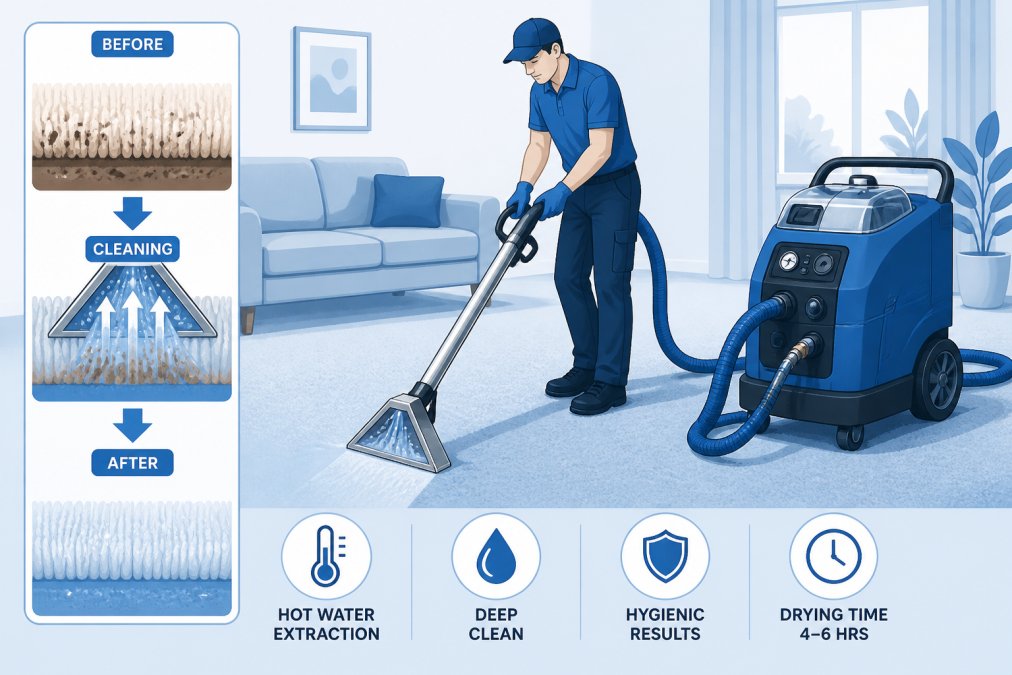
The equipment required for hot water extraction is substantial and expensive. Truck-mounted systems cost £20,000-40,000, whilst portable units run £8,000-15,000. This capital investment explains why professional cleaners charge more than rental-machine operators.
Hot water extraction delivers superior results on heavily soiled carpets. The combination of heat, chemical action, and powerful extraction removes embedded dirt, bacteria, and allergens that dry cleaning cannot reach. For households with pets, children, or allergy sufferers, this method justifies its cost. The primary drawback is drying time; carpets typically require 6-24 hours to dry completely.
Professional equipment differs markedly from rental machines. Commercial-grade extraction systems generate 200+ PSI of pressure, whilst rental machines typically manage 60-80 PSI. This difference translates directly to cleaner carpets and faster drying.
Dry carpet cleaning and drying time
Dry cleaning methods use minimal moisture, allowing immediate carpet use after cleaning. These approaches appeal to busy households and commercial properties where downtime isn’t acceptable.
Dry cleaning involves applying a dry powder or foam to the carpet, allowing it to sit briefly (typically 15-30 minutes), then vacuuming thoroughly. The powder encapsulates dirt particles, which the vacuum then removes.
The cost of dry cleaning typically falls 20-30% below hot water extraction rates. A room that costs £120 to clean using hot water extraction might cost £85-95 using dry methods. Drying time is essentially zero, making this method ideal for offices, retail spaces, and homes where disruption must be minimised.
Dry cleaning proves less effective on heavily soiled carpets or those requiring deep sanitization. The method works best as a maintenance approach, performed every 4-6 weeks to prevent soil accumulation.
DIY Carpet Cleaning vs Professional UK: Cost and Results
The temptation to clean carpets yourself is understandable, as rental machines cost £20-40 per day. However, this calculation ignores hidden costs and the reality of results.
Rental machines from supermarket chains produce mediocre results because they lack the power and extraction capability of professional equipment. You’ll spend 4-6 hours cleaning a typical three-bedroom house, then wait 24-48 hours for carpets to dry properly.
The hidden costs of DIY cleaning accumulate quickly. Water usage increases your utility bills by £15-25. Cleaning solution costs another £10-20. Your time, valued at even minimum wage, represents £50-100 of labour. Add the rental fee, and your "cheap" DIY approach costs £100-150, only slightly less than professional cleaning at £120-180.
Rental machines frequently malfunction or underperform. Inadequate extraction leaves carpets damp and prone to mildew development. Professional cleaners bring expertise that DIY approaches cannot replicate, assessing fibre type, identifying stain composition, and adjusting technique based on carpet condition.
Professional carpet cleaning costs roughly the same as a DIY attempt when you account for rental fees, cleaning products, water usage, and your time. The difference is that professionals deliver superior results and faster drying.
Hidden Fees and What to Ask Before Getting a Quote
Professional carpet cleaning quotes sometimes omit costs that appear during or after the job. Understanding common hidden fees prevents unpleasant surprises when the final invoice arrives.
Minimum call-out charges and service duration
Most professional cleaners impose minimum call-out charges, typically £40-80, ensuring they’re compensated for travel time and setup even for small jobs. This charge applies if your total cleaning area falls below a specified threshold (often 200-300 square metres).
For a single-room cleaning, the minimum call-out charge might exceed the per-square-metre rate. Service duration affects pricing when cleaners charge by the hour rather than by area, with standard rates running £40-70 per hour depending on region and method.
Travel charges represent another potential hidden cost. Firms serving rural areas sometimes add £10-20 for travel beyond their standard service radius. Confirm whether travel charges apply to your postcode before requesting a quote.
VAT-inclusive pricing and upholstery protection costs
Professional cleaning services incur 20% VAT in the UK. Reputable firms clearly state whether their quoted prices include VAT or add it to the final bill. A quote of £200 excluding VAT becomes £240 including VAT, a significant difference that affects your budget.
Upholstery protection costs deserve particular scrutiny. Many cleaners recommend protection treatments as add-ons. Whilst protection does extend carpet life, it’s optional rather than mandatory. A protection treatment adding £50-80 to your bill might not justify the cost if you plan to replace carpets within 3-5 years.
Stain removal costs often appear as separate line items. Some firms include basic stain treatment in their standard service, whilst others charge £15-30 per stain for specialist treatment. Request an itemized quote that lists every service and its cost.
Never accept a verbal quote without written confirmation. Reputable cleaners provide written estimates detailing every service, charge, and VAT status. This protects both you and the cleaner from misunderstandings.
Environmental Impact and Post-Cleaning Maintenance Costs
Professional carpet cleaning generates environmental consequences worth considering alongside cost. Hot water extraction consumes 200-400 litres of water per 100 square metres. Eco-friendly cleaning solutions have become increasingly available, though they sometimes cost 10-20% more than conventional chemical cleaners.
Post-cleaning maintenance dramatically affects how long your carpets stay clean and when you’ll need professional cleaning again. Vacuuming twice weekly extends the interval between professional cleans from 12 months to 18-24 months, effectively halving your annual professional cleaning costs.
Prompt stain treatment prevents permanent damage and reduces the cost of specialist stain removal. Blotting (not rubbing) fresh spills with clean cloth removes most liquid before it sets. Carpet protection treatments, whilst adding initial cost, reduce long-term cleaning expenses by extending the cleaning interval from 12 to 18 months.
Humidity control affects drying time and mildew risk after professional cleaning. Opening windows and running dehumidifiers reduces drying time from 24 hours to 8-12 hours, preventing musty odours.
Professional Carpet Cleaning Cost 2026: Residential vs Commercial Rates
Commercial and residential carpet cleaning operate under different economics, reflecting the distinct demands of each market. Understanding these differences helps business owners and landlords budget appropriately.
Commercial office cleaning and industrial-grade solutions
Commercial carpet cleaning typically costs 15-30% less per square metre than residential cleaning, despite using superior equipment and methods. This paradox exists because commercial properties feature larger contiguous areas, reducing per-unit labour costs and allowing efficient scheduling.
A 500-square-metre office space might cost £400-600 for professional cleaning, equating to £0.80-1.20 per square metre. The same 500 square metres distributed across a residential property in multiple rooms would cost £600-900, or £1.20-1.80 per square metre.
Industrial-grade cleaning solutions used in commercial settings contain higher concentrations of active ingredients than residential products. Commercial cleaners often offer maintenance contracts, scheduling regular cleaning on weekly or fortnightly cycles at 10-20% less per visit than one-off cleaning.
Rapid drying becomes critical in commercial environments. Commercial-grade equipment ensures carpets are ready for normal use within 4-6 hours. Commercial carpet cleaning often includes traffic lane treatment, additional cleaning of high-use areas like corridors and reception spaces.
| Factor | Residential Cleaning | Commercial Cleaning |
|---|---|---|
| Per square metre cost | £1.20-1.80 | £0.80-1.20 |
| Typical job size | 100-300 sq m | 300-2,000 sq m |
| Drying time acceptable | 12-24 hours | 4-6 hours |
| Cleaning frequency | 12-18 months | 4-12 weeks |
| Stain removal standard | Complete removal | Lightening acceptable |
| Contract discounts | Rarely available | 10-20% typical |
The cost of professional carpet cleaning 2026 reflects genuine value when you understand what drives pricing. Professional cleaners invest in equipment, training, and expertise that deliver results far superior to DIY approaches or budget alternatives. Whether you’re managing a residential property in Stockport, operating a commercial office, or preparing a rental property for inspection, professional cleaning represents a worthwhile investment in property maintenance and hygiene. Carpet Cleaning In Stockport offers deep-cleaning services using advanced equipment and family-friendly, pet-safe solutions that remove dirt, stains, bacteria, and allergens whilst restoring carpets to original quality. With experienced technicians and fast drying times, professional cleaning creates a healthier home environment whilst eliminating odours that persist after amateur attempts.
Frequently Asked Questions
What is the average cost of professional carpet cleaning per room in the UK?
Professional carpet cleaning cost varies based on room size, carpet condition, and your location within the UK. Pricing depends on quantity, dates, and the specific services required. For an accurate quote tailored to your home, contact Carpet Cleaning In Stockport directly to discuss your needs and receive a personalised estimate based on your carpet's square meterage and cleaning requirements.
What factors influence the cost of professional carpet cleaning in the UK?
Several factors affect carpet cleaning costs: carpet fibre type (synthetic versus wool), room size measured in square metres, extent of staining and high-traffic areas, whether furniture needs moving, and the cleaning method chosen (steam cleaning or dry cleaning). Additional services like deodorizing, sanitization, upholstery protection, and pet hair removal also impact the final price. Your location within the UK and minimum call-out charges from the service provider influence costs too.
How quickly does professional carpet dry after steam cleaning?
Drying time depends on the cleaning method and conditions. Hot water extraction typically leaves carpets damp for several hours to a full day, depending on ventilation, humidity, and carpet thickness. Professional equipment and techniques help speed up drying. Dry carpet cleaning methods offer faster drying times. Carpet Cleaning In Stockport uses advanced equipment designed for fast drying and can advise on the best method for your specific situation.
Is professional carpet cleaning worth the cost compared to DIY methods?
Professional carpet cleaning removes dirt, bacteria, and allergens that rental machines and household methods cannot reach, extending your carpet's lifespan significantly. DIY approaches may clean surface-level dirt but often leave residue that makes carpets re-soil quickly. Professional-grade equipment, industrial cleaning solutions, and experienced technicians deliver deep cleaning results that protect your investment. For health-conscious families with pets or young children, professional cleaning provides the allergen removal and sanitization that DIY methods cannot match.
What should I ask before getting a professional carpet cleaning quote?
Ask about minimum call-out charges, whether VAT is included in the quoted price, labour costs, and the specific cleaning method they use. Clarify what additional services cost (stain removal, deodorizing, furniture moving, upholstery protection). Confirm drying time expectations and whether they offer emergency cleaning or same-day service. Ask about their experience with your carpet fibre type and pet stains. Request a written quote that itemises all costs to avoid hidden fees later.
Can professional carpet cleaning remove pet stains and odours permanently?
Professional deep cleaning removes the bacteria and organic matter causing pet odours, not just surface smells. Hot water extraction and industrial-grade cleaning solutions penetrate carpet fibres where urine and bacteria hide. However, if urine has soaked through to the underlay or subfloor, professional cleaning alone may not fully eliminate the smell. Carpet Cleaning In Stockport uses family-friendly and pet-safe solutions and can assess whether stains are recoverable or if deeper treatment is needed.
What is the difference between commercial and residential carpet cleaning costs?
Commercial carpet cleaning typically costs more per square metre due to larger floor areas, higher-traffic wear, and the need for industrial-grade equipment and solutions. Commercial office spaces require deep cleaning of heavily soiled areas and often need faster turnaround times. Residential cleaning in homes is usually priced per room or square metre at lower rates. However, commercial clients benefit from bulk pricing and scheduled maintenance plans. Carpet Cleaning In Stockport offers both residential and commercial services with rates adjusted for each type.
This article was written using GrandRanker