Table of Contents
- Why Professional Carpet Cleaning Matters for Care Homes
- Infection Control Protocols in Carpet Cleaning for Care Homes
- Allergen Reduction and Air Quality in Care Home Environments
- CQC Carpet Cleaning Standards UK and Care Home Compliance
- Maintenance Schedules for High-Traffic Areas
- Commercial Carpet Cleaning Stockport for Care Facilities
- Service Areas and Local Expertise in Stockport
- Pricing, Quotes and What to Expect
Last Updated: August 4, 2026
Why Professional Carpet Cleaning Matters for Care Homes
Carpet cleaning for care homes stockport requires a fundamentally different approach than standard domestic cleaning. Care facilities house vulnerable residents with compromised immune systems, respiratory conditions, and heightened susceptibility to infections. Carpets accumulate bacteria, allergens, and pathogens that routine vacuuming cannot address, settling deep within fibres and creating reservoirs for infection and poor air quality.
Professional deep extraction cleaning removes up to 95% of embedded bacteria and allergens. This matters because CQC (Care Quality Commission) inspectors assess hygiene standards as a core compliance measure. Communal spaces, hallways, lounges, and dining areas experience constant foot traffic, making them high-risk zones for cross-contamination. When carpets aren’t properly sanitized, they become vectors for MRSA, norovirus, and other healthcare-associated pathogens.
The financial and reputational cost of an infection outbreak far exceeds the investment in professional carpet cleaning. Beyond compliance, clean carpets improve resident wellbeing through odour reduction, allergen removal, and a visibly fresh environment. Carpet cleaning for care homes stockport is a health and safety imperative.
Infection Control Protocols in Carpet Cleaning for Care Homes
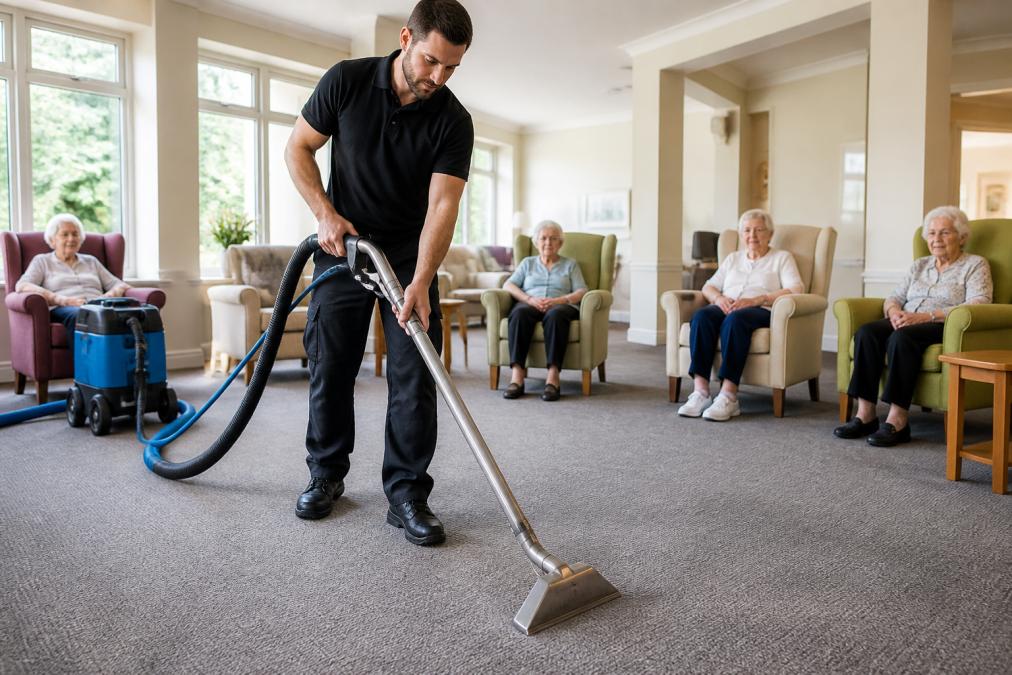
Bacteria can persist on carpet surfaces for weeks, while viruses like norovirus remain viable for days. Standard household cleaning disrupts the surface but leaves deep contamination untouched. Professional carpet cleaning for care homes stockport uses heat, chemical sanitizers, and extraction methods that eliminate pathogens at their source.
How Deep Extraction Removes Bacteria and Pathogens
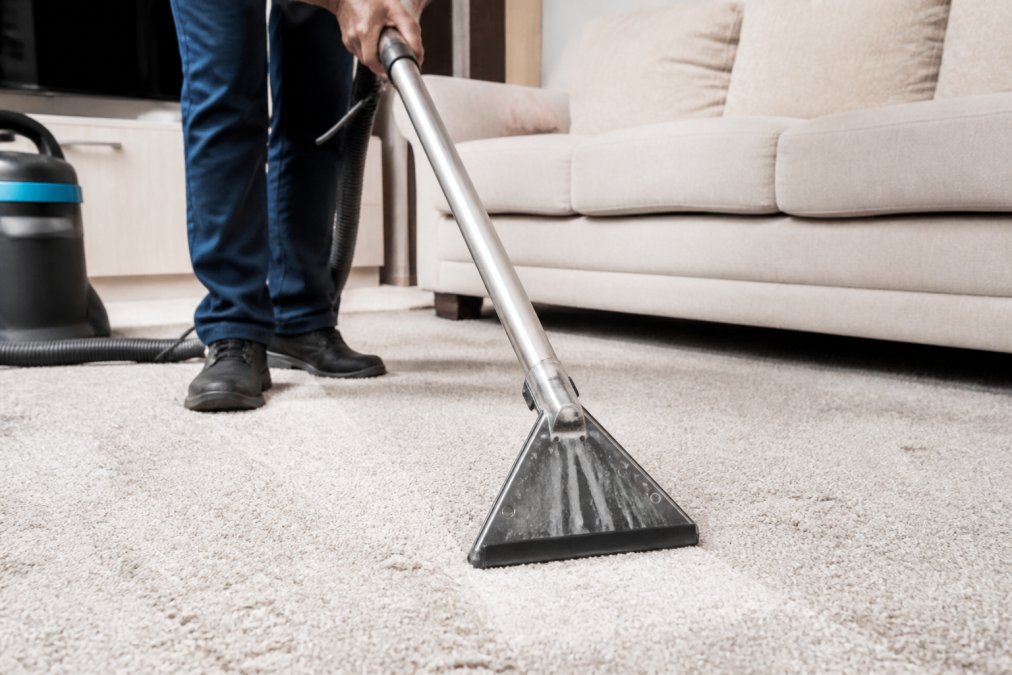
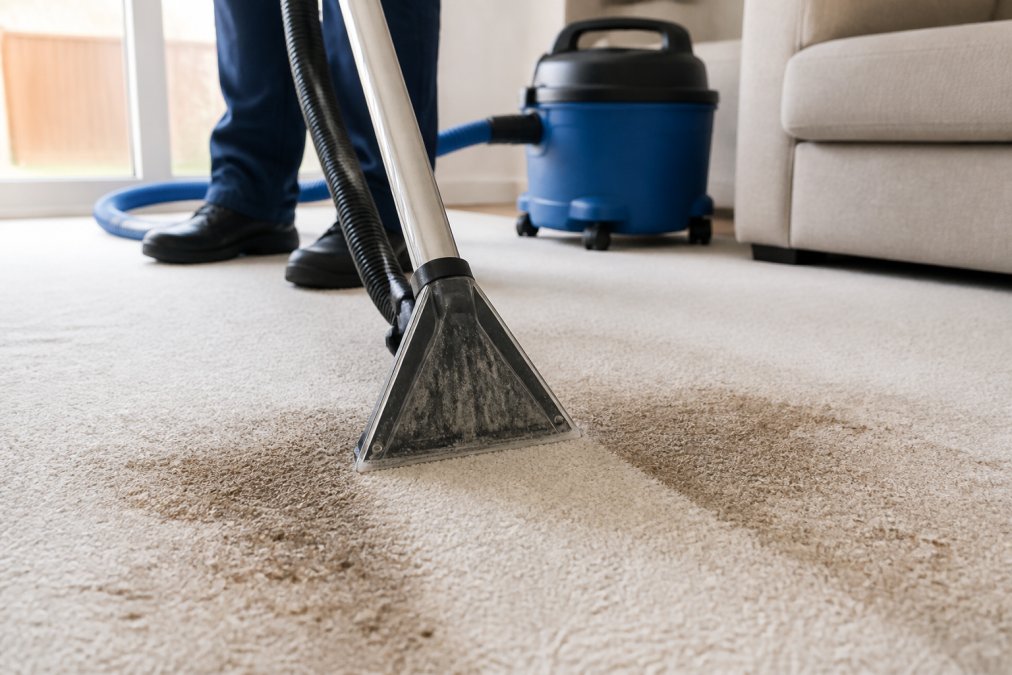
Deep extraction cleaning forces heated water and cleaning solution deep into carpet fibres under high pressure. The heat kills bacteria and viruses outright, while chemical sanitizers break down cell membranes in microorganisms. The extraction phase removes 90% of moisture along with contaminants, preventing mould and odour regrowth.
This process differs fundamentally from surface cleaning. Standard carpet shampoo wets the top layer, while deep extraction reaches 12-15mm below the surface where most bacteria hide. Industrial-grade equipment operates at temperatures between 65-80°C and pressures exceeding 200 bar, specifications domestic machines cannot match. After extraction, carpets dry within 4-6 hours, critical for preventing mould growth in communal spaces.
Sanitization and Hygiene Standards Compliance
Sanitization means reducing pathogen levels to safe thresholds. Care homes must meet Health and Social Care Act 2008 (Regulated Activities) Regulations 2014, which mandate infection prevention and control measures. Professional carpet cleaning services should use hospital-grade sanitizers approved for healthcare environments, such as quaternary ammonium compounds or phenolic-based products that kill MRSA and C. difficile.
The sanitizer must contact the pathogen for a minimum dwell time of 10-15 minutes for efficacy. Documentation matters for CQC compliance: care homes should receive cleaning reports detailing the date, areas cleaned, sanitizers used, and drying time. Carpet Cleaning In Stockport provides detailed documentation with every service, supporting your compliance requirements.
Allergen Reduction and Air Quality in Care Home Environments
Allergen accumulation in care home carpets directly impacts resident health. Dust mites, pet dander, mould spores, and pollen embed themselves in carpet fibres. Vulnerable residents with COPD, asthma, or weakened immune systems experience respiratory distress when allergen levels spike.
Removing Dust Mites, Pet Dander, and Respiratory Irritants
Dust mites thrive in warm, humid environments with abundant organic matter. A single gram of carpet dust contains 1,000-10,000 dust mites, and their faeces are potent allergens triggering asthma attacks in sensitive residents. Deep extraction removes 85-90% of dust mites and their allergens through heat and mechanical extraction.
Pet dander proteins bind tightly to carpet fibres and resist standard vacuuming. Professional cleaning breaks these bonds through chemical action and mechanical extraction, resulting in measurably cleaner air, particularly important in lounges where residents spend extended periods.
Fast-Drying Methods to Prevent Mould and Odour
Wet carpets create conditions for mould growth within 24-48 hours. Mould releases spores that trigger respiratory issues, especially in elderly residents. Industrial extraction equipment removes 60-70% of moisture immediately, with air movers and dehumidifiers completing drying within 4-6 hours. Fast-drying methods prevent mould colonization and odour regrowth, which resume if moisture lingers.
CQC Carpet Cleaning Standards UK and Care Home Compliance
The Care Quality Commission assesses care homes against Key Lines of Enquiry (KLOEs), with cleanliness and infection prevention as critical areas. CQC inspectors examine carpets for visible soiling, odours, and signs of poor maintenance. A care home with visibly dirty or malodorous carpets receives a negative rating.
Health and Safety Requirements for Communal Spaces
Communal spaces pose the highest infection risk due to constant foot traffic from residents, staff, and visitors. Health and Safety at Work etc. Act 1974 places a duty of care on operators to maintain a safe environment. Dirty carpets breach this duty through slip hazards, pathogen spread, and odour issues.
Specific requirements include visible soiling removal, odour elimination, monthly deep cleaning of high-traffic areas, spillage treatment within 24 hours, and complete drying to prevent mould.
Documentation and Verification for Inspections
CQC inspectors request cleaning schedules and records. Professional cleaning services provide detailed reports including date, areas covered, products used, drying time, and issues identified. This documentation proves compliance and supports your CQC rating. Carpet Cleaning In Stockport provides comprehensive documentation with every service.
Maintenance Schedules for High-Traffic Areas
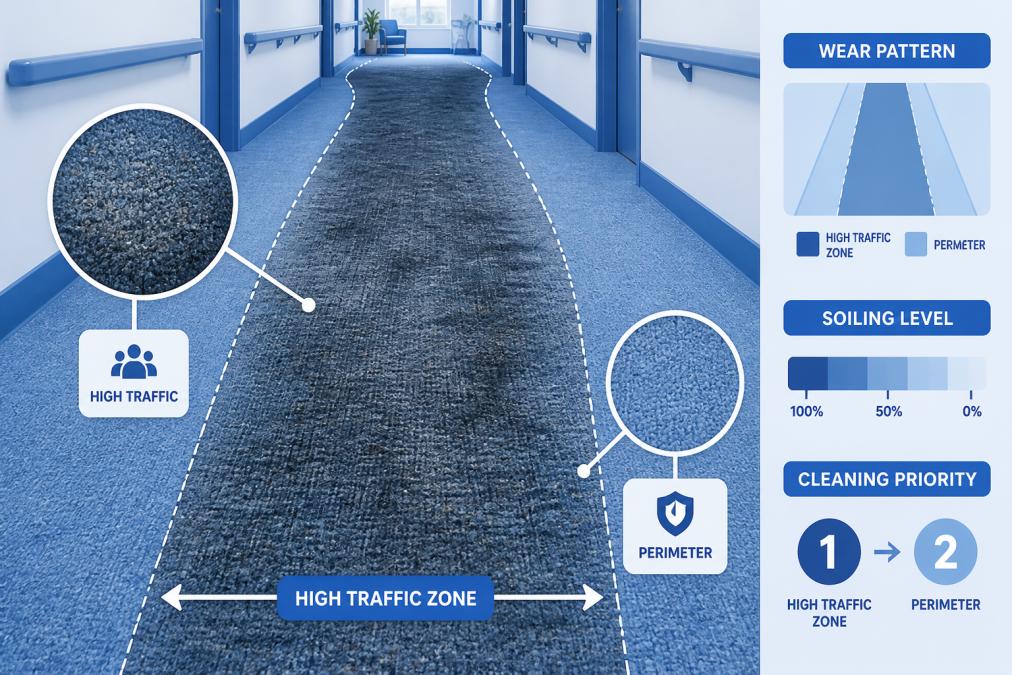
High-traffic areas deteriorate rapidly without preventative maintenance. Hallways, entrances, and communal lounges experience constant foot traffic from residents with mobility aids, staff, and visitors. A maintenance schedule prevents premature carpet replacement and maintains hygiene standards.
Preventative Maintenance to Extend Carpet Longevity
Preventative maintenance follows a tiered approach: spot treatment within 24 hours of spills, monthly deep cleaning of high-traffic zones, and quarterly deep cleaning of entire facilities. This schedule extends carpet life from 5-7 years to 10-12 years. Professional cleaning costs £2,000-£3,000 annually, far lower than new carpet installation at £8,000-£15,000 or more.
High-traffic areas require more frequent attention: entrance hallways and corridors need weekly spot treatment and monthly deep cleaning, lounges and dining areas benefit from monthly deep cleaning, while bedrooms can follow quarterly schedules.
Spot Treatment and Stain Removal in Care Settings
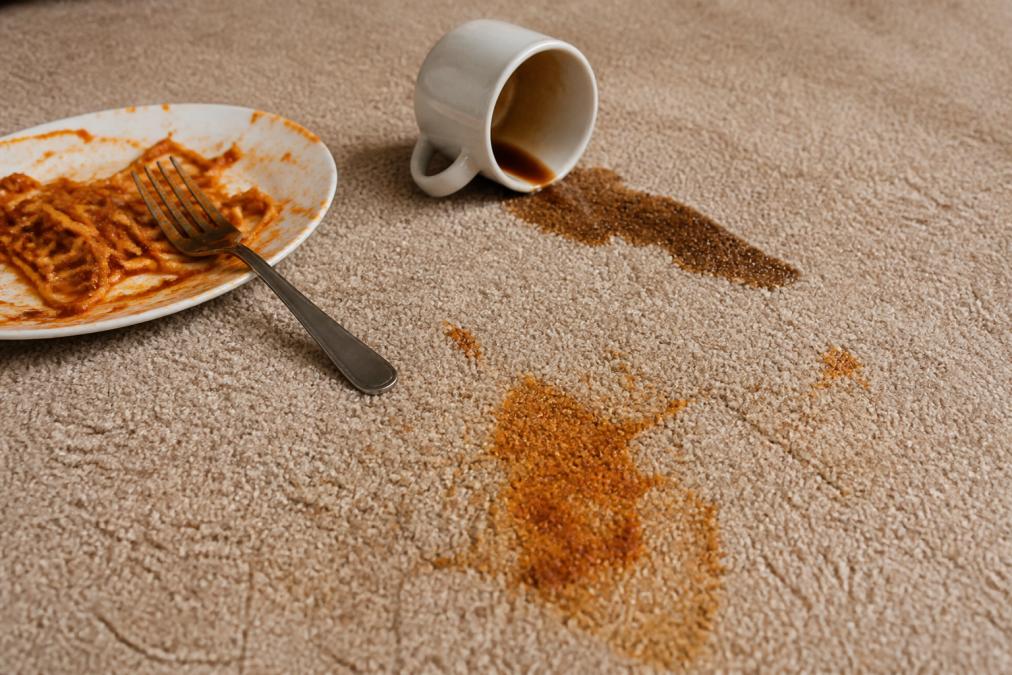
Spillages are inevitable in care homes. Immediate spot treatment prevents permanent staining. Professional stain removal uses targeted techniques based on stain type: enzymatic cleaners for protein-based stains (blood, bodily fluids), oxidising agents for tannin-based stains (tea, coffee), and solvent-based treatments for oil-based stains. For care homes, rapid response is critical, bodily fluid stains pose infection risks and require sanitization after stain removal.
Commercial Carpet Cleaning Stockport for Care Facilities
Commercial carpet cleaning differs fundamentally from residential cleaning. Care facilities require industrial-grade equipment, healthcare-approved sanitizers, and staff trained in infection prevention.
Professional Equipment and Industrial-Grade Solutions
Industrial carpet cleaning equipment reaches 80°C and 200+ bar pressure, far exceeding domestic capabilities. Industrial-grade sanitizers are hospital-approved, including Virkon (effective against MRSA and norovirus) and quaternary ammonium compounds. Professional technicians understand drying management using industrial air movers and dehumidifiers, with moisture meters verifying completion before re-entry.
Eco-Friendly Cleaning Methods Safe for Vulnerable Residents
Vulnerable residents require gentler chemical environments. Plant-based sanitizers derived from essential oils offer antimicrobial properties with lower toxicity profiles. Enzymatic cleaners break down organic matter without harsh chemicals. Low-VOC products minimise airborne chemical exposure, critical in care homes where residents spend extended periods indoors. Carpet Cleaning In Stockport uses family-friendly and pet-safe solutions that maintain effectiveness while prioritising resident safety.
Service Areas and Local Expertise in Stockport
Professional carpet cleaning for care homes stockport requires local knowledge. A local service provider understands care facilities’ unique needs, can respond quickly to emergencies, and builds trusted partnerships in your facility’s health and safety operations.
Pricing, Quotes and What to Expect
Professional carpet cleaning pricing depends on square meterage, carpet condition, traffic intensity, sanitization requirements, and drying constraints. Care homes typically require customised quotes.
When requesting a quote, provide total square meterage, breakdown by space type, current carpet condition, desired cleaning frequency, special requirements, and preferred scheduling windows.
Professional carpet cleaning services for care homes in Stockport should offer detailed written quotes with no hidden fees, flexible scheduling, hospital-grade sanitizers, comprehensive documentation for CQC compliance, same-day or next-day emergency response, fast-drying methods, and care home regulatory expertise.
| Cleaning Type | Frequency | Best For | Expected Outcome |
|---|---|---|---|
| Spot Treatment | As needed (within 24 hours) | Fresh spills, emergency response | Stain prevention, odour control |
| Monthly Deep Cleaning | High-traffic areas | Hallways, entrances, lounges | Pathogen reduction, allergen removal |
| Quarterly Deep Cleaning | Entire facility | Comprehensive sanitization | CQC compliance, resident health |
| Annual Professional Sanitization | All carpeted areas | Infection control protocols | Deep pathogen elimination, allergen reduction |
Professional carpet cleaning for care homes stockport is a clinical necessity. Vulnerable residents depend on clean, sanitized environments to stay healthy. Regulatory bodies expect rigorous hygiene standards. A professional cleaning service that understands infection control, CQC compliance, and care home operations becomes an essential partner in resident safety. Carpet Cleaning In Stockport brings industrial-grade equipment, healthcare-approved sanitizers, and local expertise to every care facility. Our experienced technicians understand the unique challenges care homes face and deliver results that protect resident health while supporting compliance. Get started with Carpet Cleaning In Stockport and create the clean, safe environment your residents deserve.
Frequently Asked Questions
What makes professional carpet cleaning for care homes different from standard residential cleaning?
Care homes require specialist approaches that address infection control, allergen reduction, and compliance with health and safety regulations. Professional cleaners use industrial-grade equipment and sanitization protocols to remove bacteria, pathogens, and contaminants that standard methods miss. Deep extraction cleaning reaches carpet fibres where dust mites and allergens accumulate, creating a healthier environment for vulnerable residents. Professional services also provide documentation for CQC inspections and care home audits.
How does deep extraction cleaning remove allergens and bacteria better than rental machines?
Deep extraction uses heated water and pressure systems that penetrate deep into carpet fibres, lifting bacteria, dust mites, and allergens that surface cleaning cannot reach. Rental machines typically lack the temperature control and suction power needed for thorough sanitization. Professional equipment also uses specialist solutions that are formulated to break down contaminants at a molecular level. The combination of heat, pressure, and dwell time ensures that hidden pathogens are neutralised, not just masked. Fast-drying technology prevents moisture from lingering, which would otherwise create conditions for mould and odour to return.
What CQC carpet cleaning standards UK does a care home need to meet?
The Care Quality Commission (CQC) expects care homes to maintain clean, hygienic communal spaces as part of health and safety compliance. While the CQC does not prescribe specific carpet cleaning products, it assesses whether facilities are clean and free from hazards. Professional carpet cleaning services help meet these expectations by removing dirt, bacteria, and allergens that could pose risks to elderly residents. Care homes should request cleaning services that provide documented proof of sanitization, use approved cleaning solutions, and follow health and safety protocols. Regular professional cleaning demonstrates proactive maintenance and supports positive CQC inspection outcomes.
How often should carpets in a care home be professionally cleaned?
High-traffic areas in care homes, such as corridors and communal lounges, benefit from professional cleaning every 4-6 weeks to maintain hygiene standards and extend carpet longevity. Bedrooms and lower-traffic spaces may require cleaning every 8-12 weeks. Preventative maintenance schedules prevent dirt and allergens from accumulating to levels that compromise air quality or create odour issues. Spot treatment for spills and stains should be addressed immediately to prevent permanent damage and bacterial growth. A tailored maintenance plan based on foot traffic, resident mobility, and specific hygiene needs ensures optimal results and protects your investment in flooring.
Are eco-friendly cleaning solutions safe for elderly residents with respiratory issues?
Yes, professional eco-friendly cleaning solutions are specifically formulated to be safe for vulnerable populations, including elderly residents with respiratory sensitivities. These methods avoid harsh chemicals and strong fumes that can trigger breathing difficulties or allergic reactions. Eco-friendly approaches use plant-based surfactants and biodegradable compounds that are effective at removing dirt and bacteria without compromising indoor air quality. Fast-drying technology ensures carpets dry quickly, preventing damp conditions that can worsen respiratory problems. Always confirm that your cleaning provider uses solutions approved for care environments and can provide safety data sheets (COSHH documentation) for all products used.
Can professional carpet cleaning remove pet odours permanently in a care home setting?
Professional carpet cleaning can significantly reduce or eliminate pet odours by using deep extraction and odour neutralisation techniques. The process removes urine and faeces particles embedded in carpet fibres and the underlay, which are sources of persistent smells. Standard cleaning methods often only mask odours temporarily, but professional sanitization breaks down the compounds causing the smell. If pet urine has saturated the underlay, replacement may be necessary for permanent odour removal. Regular preventative maintenance and prompt spot treatment of accidents help prevent odours from returning. A fully insured professional service can assess the extent of damage and recommend the most effective solution for your care home.
What should I ask a carpet cleaning provider about their qualifications and insurance?
Verify that the provider is fully insured with public liability and professional indemnity cover. Ask for evidence of training in care home cleaning standards and infection control protocols. Request references from other care facilities they have worked with. Confirm they use approved cleaning solutions and can provide COSHH documentation for all products. Ask about their drying times and whether they use industrial-grade equipment. Reputable local technicians should provide a detailed quote and explain their methods clearly. Check for positive reviews from care home managers and ask whether they have experience with CQC compliance requirements.
How long does professional carpet cleaning take, and when can residents return to cleaned areas?
Professional deep extraction cleaning typically takes 2-4 hours for a standard care home, depending on the size and condition of the carpets. Fast-drying technology reduces drying time to 1-3 hours in most cases, though factors like humidity and ventilation can affect this. Residents can usually return to cleaned areas once carpets are dry to the touch, which most professional services achieve the same day. Scheduling cleaning during quieter periods (early morning or late afternoon) minimises disruption. Always confirm drying times and any restrictions with your cleaning provider before booking. Proper drying prevents the musty smell and moisture issues that occur with slower-drying methods.
This article was written using GrandRanker