Table of Contents
- What Makes Steam Cleaning So Effective for Carpets
- Deep Cleaning Power: Removing Hidden Pollutants and Allergens
- Carpet Cleaning for Allergies: Why Steam Cleaning Matters
- Odour Elimination and Fresh-Smelling Carpets
- Steam Cleaning vs Shampooing Carpets: Which Is Better
- How Often to Steam Clean Carpets With Pets
- Best Steam Cleaner for Carpets UK: Professional vs DIY
- Eco-Friendly Benefits and Environmental Impact
Last Updated: July 23, 2026
What Makes Steam Cleaning So Effective for Carpets
Steam cleaning combines three powerful forces: extreme heat, high-pressure water extraction, and removal of cleaning solution residue that other methods leave behind. Vacuuming alone removes only about 80% of surface dirt; the remaining 20% sits deep within carpet fibres, accumulating over time. This is where steam cleaning delivers its most impressive results.
How Hot Water Extraction Works
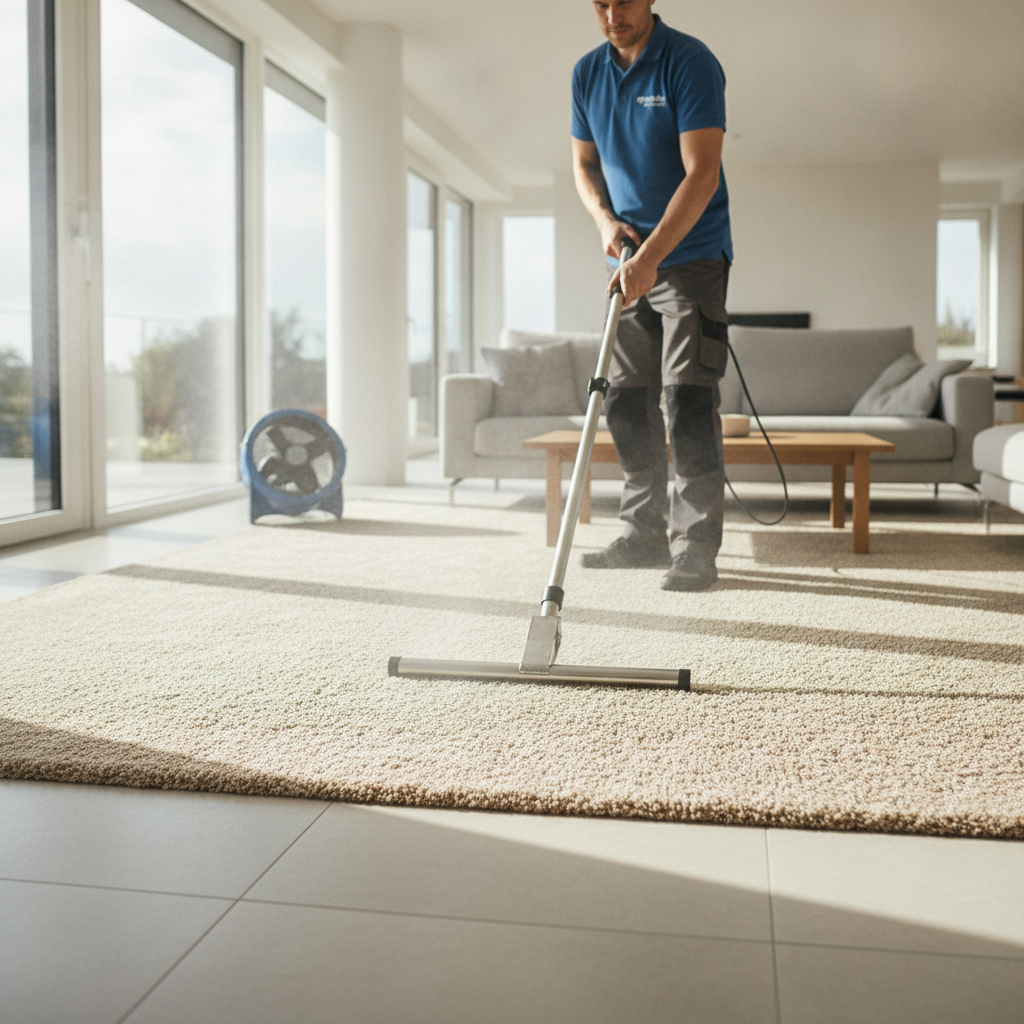
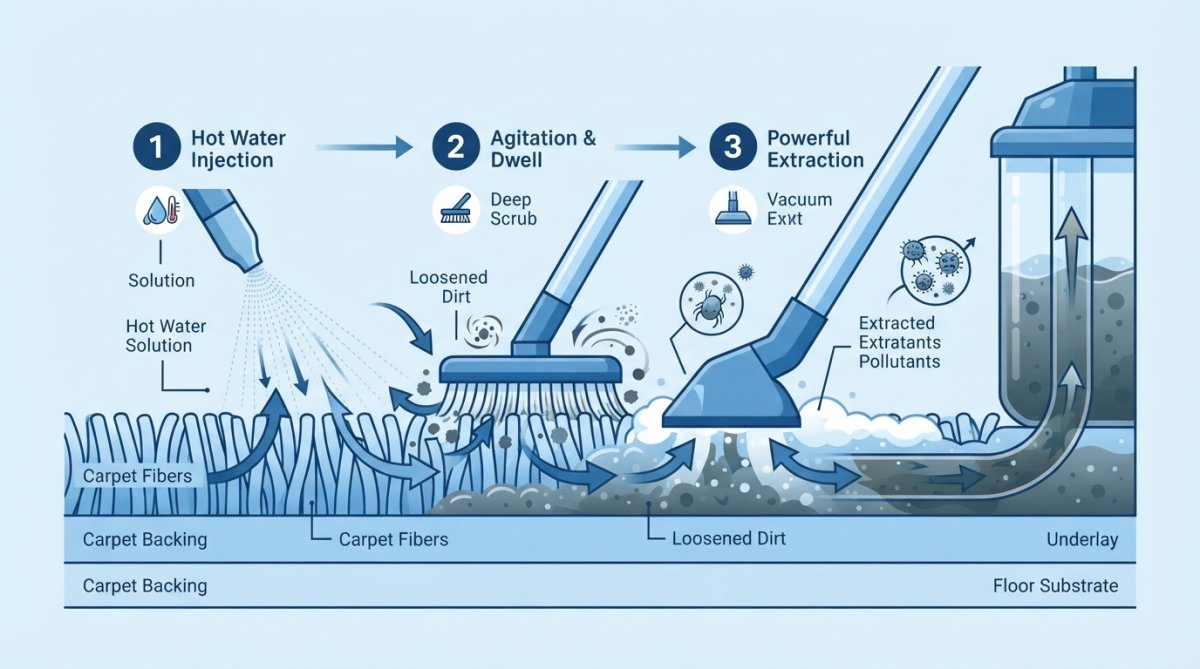
Hot water extraction, commonly called steam cleaning, injects heated water mixed with cleaning solution deep into carpet fibres at high pressure, then immediately extracts the dirty water along with dissolved dirt, allergens, and contaminants. A tank heats water to approximately 150-200 degrees Celsius, forcing it through a nozzle under pressure to penetrate carpet backing and underlay. Powerful suction then pulls moisture and dissolved soil back into a waste tank, leaving carpet visibly cleaner and significantly drier than after shampooing.
Professional equipment operates at pressures between 300-500 PSI (pounds per square inch), substantially higher than consumer rental machines. This pressure difference matters considerably when dealing with stubborn stains or heavily soiled carpets.
Why Temperature and Pressure Matter
Temperature and pressure work together to break down dirt particles at a molecular level. Higher temperatures increase the solubility of oils and greases, making them easier to suspend in water and extract. Pressure forces the cleaning solution into carpet fibres that vacuuming cannot reach. Professional steam cleaners maintain consistent temperature throughout the cleaning process, whereas consumer rental machines often cool as they work, reducing effectiveness in later rooms.
Deep Cleaning Power: Removing Hidden Pollutants and Allergens
Steam cleaning’s deep-penetration capability removes pollutants that settle deep within carpet pile. Carpet acts like a filter, trapping particles from the air, dust from foot traffic, and debris tracked in from outside. Vacuuming removes only the top layer; steam cleaning removes multiple layers, restoring carpet to a genuinely cleaner state.
Eliminating Dust Mites and Pet Dander
A single gram of carpet dust can contain up to 19,000 dust mites. Steam cleaning eliminates dust mites through two mechanisms: the extreme heat kills mites directly, and extraction removes their food sources and the moisture they need to survive. Pet dander clings to carpet fibres and embeds itself in the pile; steam cleaning removes this dander effectively because the hot water breaks down the static charge that causes dander to cling to fibres.
Killing Bacteria, Viruses, and Germs
The temperature reached during steam cleaning, 150-200 degrees Celsius at the carpet surface, exceeds the survival threshold for most bacteria and viruses. E. coli, salmonella, and common cold viruses cannot survive sustained exposure to this heat. A single steam cleaning cycle can reduce bacterial load in carpet by 99% or more. Viruses are particularly vulnerable to heat; temperatures above 60 degrees Celsius begin to denature viral proteins, and steam cleaning temperatures are more than double this threshold.
| Contaminant | Elimination Method | Effectiveness |
|---|---|---|
| Dust mites | Heat + moisture removal | 95%+ |
| Pet dander | Heat + fibre separation | 90%+ |
| Bacteria | Heat exposure | 99%+ |
| Viruses | Heat exposure | 99%+ |
| Allergens | Heat + extraction | 85-90% |
| Mould spores | Heat + moisture removal | 90%+ |
Carpet Cleaning for Allergies: Why Steam Cleaning Matters
For allergy sufferers, carpet traps allergens and holds them close to the breathing zone. Steam cleaning directly addresses this by removing allergens themselves rather than rearranging them. Many allergy sufferers report noticeable improvement in symptoms within 24-48 hours of professional steam cleaning. This improvement typically lasts 2-4 weeks before allergen levels gradually rebuild.
If you suffer from allergies, schedule steam cleaning every 4-6 weeks during high-pollen seasons. This maintains allergen levels at a manageable threshold rather than waiting until symptoms become severe.
Odour Elimination and Fresh-Smelling Carpets
Carpet odours stem from bacterial growth, mould, trapped food particles, and organic compounds. Steam cleaning eliminates odours by removing the bacteria and organic material causing them. The high temperature kills odour-producing bacteria, and extraction removes food particles and organic compounds that bacteria feed on.
Removing Pet Odours and Stains Permanently
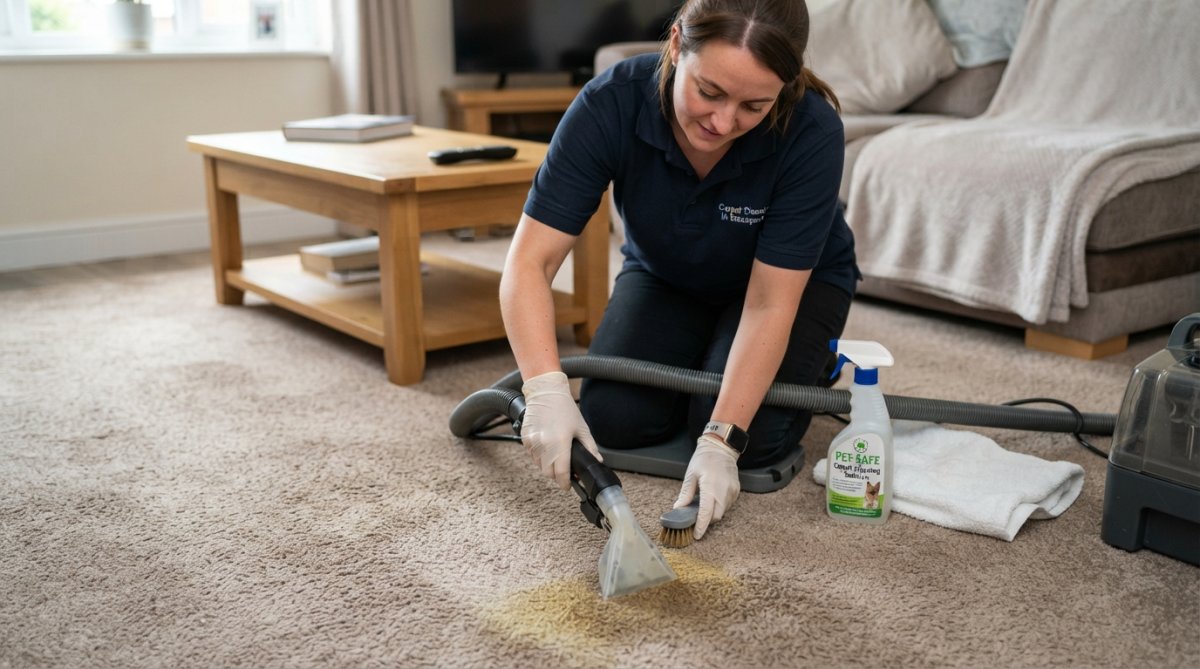
Pet urine penetrates carpet pile and reaches the backing and underlay, where bacteria thrive. Urine can penetrate 3-4 centimetres into carpet and underlay, far deeper than surface treatments can reach. Steam cleaning forces cleaning solution through the entire depth of the carpet stack and extracts the contaminated moisture. For stubborn pet odours, professional steam cleaners may apply a pre-treatment solution that breaks down urine compounds, followed by multiple extraction passes.
If you have a pet that has had accidents in your carpet, address it quickly. The longer urine sits, the deeper it penetrates and the more difficult it becomes to remove completely.
Steam Cleaning vs Shampooing Carpets: Which Is Better
Shampooing applies foamy cleaning solution to carpet, agitates it with a brush, and vacuums up the foam. Steam cleaning applies hot water under pressure and immediately extracts it. The key difference is residue: shampooing leaves cleaning solution residue in the carpet, which attracts dirt, causing carpet to look dirty again within days or weeks. Steam cleaning removes the cleaning solution along with the dirt, leaving minimal residue behind.
Shampooing is cheaper and faster for light cleaning but doesn’t penetrate deeply and leaves carpet damp for hours or days. Steam cleaning costs more but delivers deeper cleaning, faster drying, and longer-lasting results. For households with pets, children, or allergy sufferers, steam cleaning is the superior choice.
| Factor | Steam Cleaning | Shampooing |
|---|---|---|
| Cleaning depth | Deep (full pile penetration) | Surface-level |
| Drying time | 4-8 hours | 12-24 hours |
| Residue left behind | Minimal | Significant |
| Allergen removal | 85-90% | 40-50% |
| Odour elimination | Excellent | Moderate |
| Cost per area | Higher | Lower |
| Best for | Deep cleaning, pets, allergies | Light maintenance cleaning |
| Frequency needed | Every 6-12 months | Every 1-3 months |
How Often to Steam Clean Carpets With Pets
Pet ownership dramatically increases the rate at which carpet becomes soiled. For households with one pet, professional steam cleaning every 6-8 weeks is appropriate. For households with multiple pets, every 4-6 weeks is more suitable. Between professional cleanings, weekly vacuuming with a high-suction pet-hair vacuum removes surface hair and dander before they embed deeper into carpet pile.
Long-Term Maintenance Schedule and Tips
Weekly vacuuming is essential for pet households. Use a vacuum with strong suction and a motorised brush head designed for pet hair. Monthly spot cleaning addresses fresh stains before they set. For pet accidents, blot immediately with paper towels, then treat with an enzymatic cleaner designed for pet urine. Allow the cleaner to sit for 15 minutes, then blot again. Professional steam cleaning every 6-8 weeks removes deep contamination that home vacuuming cannot reach.
| Maintenance Task | Frequency | Purpose |
|---|---|---|
| Vacuuming | Weekly | Remove surface hair and dander |
| Spot treatment | As needed | Prevent stains from setting |
| Professional steam cleaning | Every 6-8 weeks (pets) | Remove deep contamination |
| Enzyme treatment (pet accidents) | Immediately after accident | Break down urine compounds |
| Carpet protection reapplication | Annually | Restore stain resistance |
Best Steam Cleaner for Carpets UK: Professional vs DIY
Professional steam cleaners use equipment far more powerful than consumer rentals, operating at higher temperatures and pressures with superior moisture extraction. Professional technicians have training in identifying carpet type, selecting appropriate cleaning solutions, and treating different stains effectively.
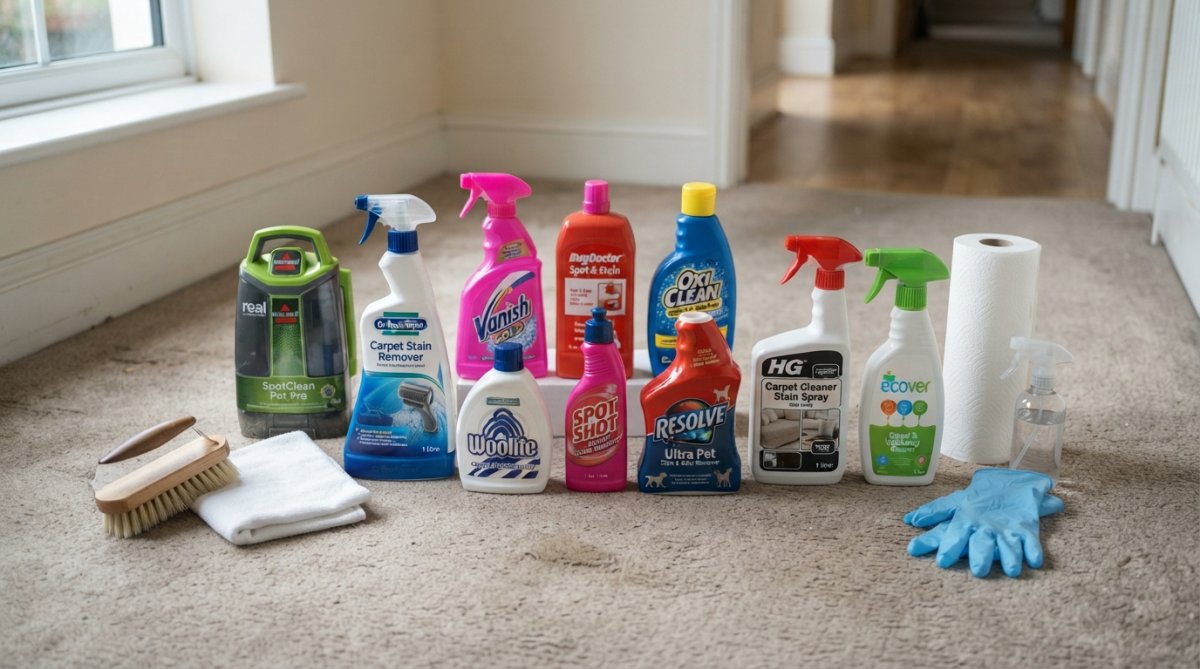
DIY rental equipment is adequate for light to moderate cleaning of small areas. Renting costs less than hiring professionals but typically delivers less impressive results than professional equipment.
Cost Analysis: DIY Rental vs Professional Steam Cleaning
DIY rental costs typically range from £30-60 per day for a basic machine, plus cleaning solution (another £10-20), and requires 4-6 hours of work. Professional steam cleaning in the UK typically costs between £29-£80 per room depending on size and condition. For a three-bedroom house, professional cleaning might cost £150-300 total.
Professional results typically last 4-6 weeks before visible soiling returns, while DIY results often last only 2-3 weeks. Professional cleaning also includes faster drying times due to superior extraction, pre-treatment of heavily soiled areas, and professional stain removal expertise.
For most households, professional steam cleaning annually or semi-annually, combined with regular vacuuming, is more cost-effective and delivers better results than frequent DIY rental attempts.
Specific Carpet Types and Steam Cleaning Suitability
Synthetic carpets, polyester, polypropylene, and nylon, tolerate steam cleaning well and are designed to withstand moisture and heat. Natural fibre carpets, wool, silk, and cotton, require more caution and can shrink, discolour, or become damaged if exposed to excessive heat or moisture. Delicate carpets, antique rugs, and hand-knotted pieces should never be steam cleaned at home.
Before steam cleaning any carpet, check the manufacturer’s recommendations. Most synthetic carpet manufacturers approve steam cleaning. The backing material also matters: carpet with latex backing can deteriorate if exposed to prolonged moisture, and jute backing can develop odours if it stays wet too long.
Eco-Friendly Benefits and Environmental Impact
Steam cleaning is inherently more environmentally friendly than shampooing because it relies primarily on heat and water rather than chemical cleaning solutions. This reduces chemical runoff into water systems and eliminates packaging waste associated with cleaning product bottles. Many professional steam cleaners now use biodegradable, plant-based cleaning solutions that break down naturally in water systems.
Because steam cleaning extends carpet lifespan compared to other methods, carpets need replacement less frequently. Carpet manufacturing is resource-intensive, and extending carpet life by even one year reduces the environmental impact of carpet replacement. For environmentally conscious households, professional steam cleaning with plant-based solutions represents the best balance between cleaning effectiveness and ecological responsibility.
Keeping your carpets clean and healthy requires a strategy that goes beyond weekly vacuuming. The benefits of steam cleaning carpets, deep allergen removal, odour elimination, extended lifespan, and genuine freshness, make it the most effective approach for households with pets, children, or allergy sufferers. Carpet Cleaning In Stockport delivers professional-grade steam cleaning using advanced equipment and family-friendly cleaning solutions that remove dirt, bacteria, and allergens without harsh chemicals. Our experienced technicians understand different carpet types and tailor the cleaning approach to your specific needs. Get started with professional steam cleaning and experience the difference that genuinely clean carpet makes for your home’s health and appearance.
Frequently Asked Questions
Is steam cleaning actually better than using a rental machine for removing allergens and bacteria?
Professional steam cleaning using hot water extraction reaches deeper into carpet fibres than rental machines, removing allergens, dust mites, bacteria, and viruses that surface cleaning cannot reach. Professional-grade pressure and temperature are higher, ensuring thorough sanitisation. Rental machines often leave residue and moisture, creating conditions for mould and mildew. Professional equipment extracts more water, reducing drying time and preventing musty smells. The difference is substantial, professional steam cleaning delivers deep cleaning power that protects your family's health.
How often should you steam clean carpets with pets to prevent odours returning?
With pets, steam clean every 3-6 months for heavy foot-traffic areas, or 6-12 months for lighter-use rooms. Pet dander, urine, and bacteria accumulate quickly, so more frequent cleaning prevents odours from returning. Spot clean accidents immediately to prevent odours setting into carpet fibres. Professional steam cleaning removes pet stains and odours permanently by sanitising deep layers, whereas DIY methods often only treat the surface. A long-term maintenance schedule that includes regular professional cleaning prevents recurring pet odours and extends carpet lifespan.
What's the difference between steam cleaning and shampooing for carpet cleaning for allergies?
Steam cleaning uses hot water extraction to remove allergens, dust mites, and pet dander from deep within carpet fibres without chemical residue. Shampooing leaves behind soapy residue that attracts dirt and can irritate allergies. For allergy sufferers, steam cleaning is superior because it sanitises carpet fibres, kills bacteria and viruses, and improves indoor air quality without chemical exposure. Steam cleaning also dries faster, preventing mould growth that triggers allergies. Professional steam cleaning is the recommended method for households with asthma or allergies.
Why do some carpets feel sticky after cleaning, and will professional steam cleaning avoid this?
Sticky residue occurs when cleaning solutions aren't fully extracted or when the wrong method is used. Shampooing leaves soap residue; poor extraction traps moisture and grime. Professional steam cleaning avoids this by using high-temperature water extraction that removes cleaning solution completely and extracts maximum water, leaving carpets clean without sticky residue. Fast drying times also prevent dirt re-accumulation. Professional technicians know which cleaning solutions work best for different carpet types, ensuring thorough rinsing and a fresh finish without the problems caused by rental machines or DIY methods.
This article was written using GrandRanker